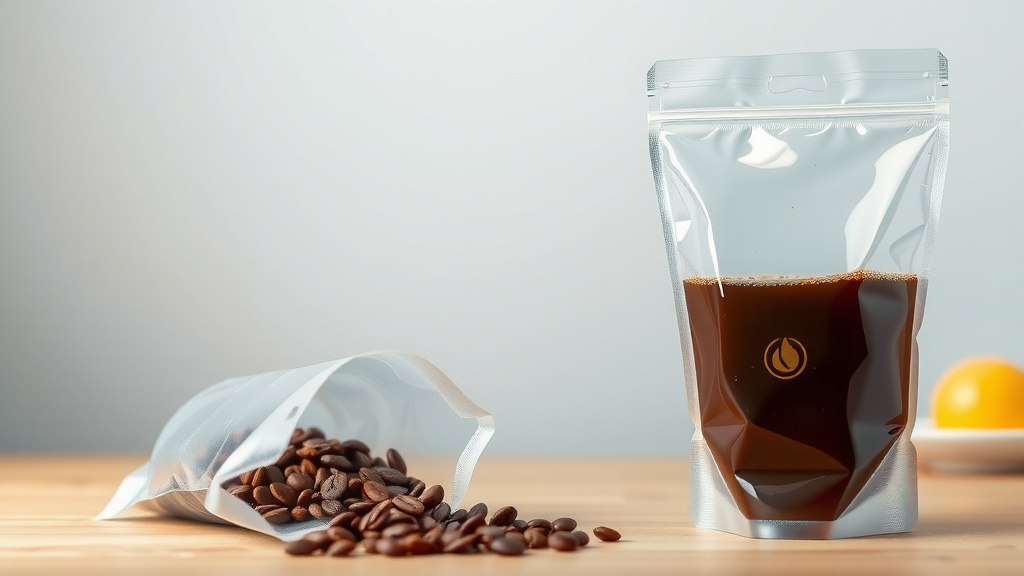
How Long Does Coffee Last Vacuum Sealed
When you vacuum seal your coffee, you can expect it to last much longer than if it were just in a regular bag. Properly vacuum sealed coffee beans can stay fresh for **up to 1-2 years**, while ground coffee might last **6-12 months**. This is because removing the oxygen significantly slows down the oxidation process that makes coffee go stale.
So, what does “fresh” really mean for coffee? Vacuum sealing helps preserve the coffee’s natural oils and aromatic compounds. This means your coffee will retain its **rich flavor** and **potent aroma** for a considerably longer period. It’s a fantastic way to keep your favorite beans tasting like they were just roasted, even months down the line.
- Vacuum sealing removes oxygen.
- This greatly extends coffee’s shelf life.
- Expect 1-2 years for whole beans.
- Ground coffee lasts 6-12 months.
- Preserves flavor and aroma.
Let’s break down exactly how long your coffee will stay good in a vacuum-sealed bag and what factors play a role.
How Long Does Vacuum-Sealed Coffee Stay Fresh?
You’re probably wondering just how long that vacuum-sealed coffee will hold its fantastic flavor. The good news is, quite a while!
Generally, coffee sealed in a vacuum-sealed bag can remain fresh for 1 to 2 years if it’s whole bean coffee. Ground coffee, while still benefiting greatly from vacuum sealing, has a slightly shorter lifespan. You can expect ground coffee to stay good for about 6 to 12 months.
This extended freshness is all thanks to the science of removing air. When you remove oxygen from the bag, you dramatically slow down the processes that make coffee go stale.
Understanding Coffee Staling: The Oxygen Factor
Think of coffee beans like a delicate flower. Exposure to the elements, especially oxygen, causes them to wilt and lose their vibrancy. That’s essentially what happens to coffee as it stales.
Oxidation: The Enemy of Freshness
The primary culprit behind stale coffee is oxidation. When coffee beans or grounds are exposed to oxygen, a chemical reaction occurs. This reaction breaks down the natural oils and aromatic compounds that give coffee its wonderful smell and taste. This process is sped up even more after coffee is roasted, as the beans begin to release gases.
Moisture and Light Also Play a Role
While oxygen is the main villain, other environmental factors can also degrade your coffee. Moisture can lead to mold growth and impart off-flavors. Light, especially UV light, can also damage the delicate compounds within the coffee bean. Vacuum sealing tackles oxygen directly, but it’s important to store your sealed bags properly to avoid these other issues.
Whole Beans vs. Ground Coffee: Shelf Life Differences
You might be asking, “Why the difference between whole beans and ground coffee?” It all comes down to surface area.
Whole Beans: Less Exposed Surface
When coffee is in its whole bean form, less of its surface area is exposed to the surrounding environment. This means oxidation and moisture can’t get in as easily. It’s like having a thicker shield protecting the precious insides.
This is why whole beans, when vacuum-sealed, can maintain their peak freshness for a much longer period. The natural oils and complex flavors are better protected within the bean’s structure.
Ground Coffee: A Larger Battlefield
Grinding coffee beans breaks them down into much smaller particles. This drastically increases the surface area exposed to air. Imagine crushing a whole grape versus crushing a whole bunch of grapes – the crushed ones release more juice and are more exposed. The same principle applies to coffee.
Because of this increased exposure, ground coffee will stale faster than whole beans, even when vacuum-sealed. The flavorful oils are more vulnerable and can dissipate more quickly. So, while vacuum sealing is still excellent for ground coffee, it’s best to consume it within that 6-12 month window.
The Science Behind Vacuum Sealing and Coffee
So, how exactly does vacuum sealing work its magic on coffee?
Removing the Oxygen: A Breath of Fresh Air (or Lack Thereof)
The core benefit of vacuum sealing is the removal of air from the bag. By using a vacuum sealer machine, you suck out as much air as possible before creating a tight seal. This leaves behind a minimal amount of oxygen trapped with the coffee.
Less oxygen means a slower rate of oxidation. This allows the coffee to retain its original volatile aromatic compounds and oils for a much longer time. Many coffee enthusiasts swear by this method for preserving their favorite roasts.
Preserving Volatile Aromatics
Coffee is famous for its aroma, which is a huge part of its flavor profile. These aromas come from volatile organic compounds. These compounds are easily released into the air, especially when exposed to oxygen and heat.
Vacuum sealing helps to trap these precious aromatics within the bag. They don’t get a chance to escape and dissipate. This means when you open the bag, you’re greeted with that wonderful coffee scent, and that scent translates directly to better flavor in your cup.
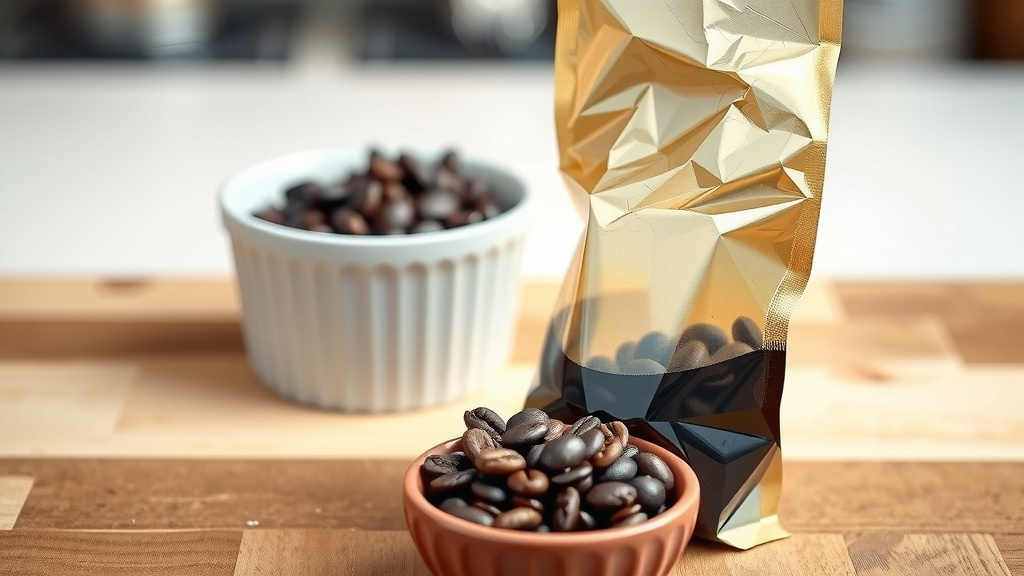
Factors Affecting Vacuum-Sealed Coffee Longevity
While vacuum sealing is a powerful preservation tool, other factors can influence how long your coffee truly stays fresh.
Initial Coffee Quality and Roast Level
The quality of the coffee beans themselves matters. High-quality, specialty-grade beans often have more complex flavor profiles that can be preserved longer. Additionally, the roast level can play a part.
Darker roasts tend to have more oils on the surface and can sometimes go stale a bit faster than medium or light roasts, even when sealed. However, the vacuum sealing process still offers significant benefits for all roast levels. Research from coffee science communities suggests that fresher beans (closer to their roast date) will always last longer.
Storage Conditions: Cool, Dark, and Dry
Even with vacuum sealing, how you store the bag is critical. You’ll get the best results when you keep your sealed coffee in a cool, dark, and dry place.
Think of a pantry or a cupboard. Avoid storing coffee near heat sources like ovens or in direct sunlight. Heat can accelerate the degradation of coffee compounds. Moisture is also an enemy, so keep it away from sinks or humid areas. Many experts recommend storing it at room temperature for up to a year, but for longer storage, freezing the vacuum-sealed bag can be an option, though opinions on freezing coffee vary.
Quality of the Vacuum Seal
The effectiveness of your vacuum seal is paramount. If the seal isn’t perfect, air can slowly seep back into the bag over time. This allows oxidation to begin its work.
Make sure your vacuum sealer is working correctly and that the bags you use are specifically designed for food storage and can maintain a strong seal. A common test is to check for any visible gaps or if the bag has reinflated slightly over time – this indicates a potential leak.
A Quick Checklist for Storing Your Vacuum-Sealed Coffee
To ensure your vacuum-sealed coffee lasts as long as possible, remember these key points:
- Seal it Tight: Ensure a complete, strong vacuum seal.
- Keep it Cool: Store away from heat sources.
- Keep it Dark: Protect from direct sunlight and light exposure.
- Keep it Dry: Avoid humid environments.
- Whole Bean First: For maximum longevity, seal whole beans.
- Monitor Regularly: Check your bags periodically for seal integrity.
Conclusion
You’ve learned that vacuum sealing is your secret weapon for keeping coffee fresh. Properly sealed whole beans can last 1-2 years, while ground coffee stays good for 6-12 months. This is because removing oxygen drastically slows down staling. Remember to always store your sealed coffee in a cool, dark, and dry place. By following these tips, you can enjoy delicious, aromatic coffee from your favorite roasts for much longer. Take action today and seal your next batch of beans to experience the difference!
Frequently Asked Questions
Does vacuum sealing actually stop coffee from going stale?
Vacuum sealing significantly slows down the staling process by removing oxygen, the main cause of oxidation. While it doesn’t completely “stop” it, it preserves the coffee’s flavor and aroma for much longer periods compared to traditional packaging.
Can I vacuum seal coffee that’s already been opened?
Yes, you can vacuum seal already opened coffee. Ensure you remove as much air as possible with your vacuum sealer before sealing. It’s best to do this shortly after opening to maximize the preserved freshness.
What happens if my vacuum-sealed coffee bag reinflates?
If your vacuum-sealed bag reinflates, it means the seal has failed and air has entered. This allows oxygen to interact with the coffee, accelerating staling. You should plan to use this coffee sooner rather than later.
Is freezing vacuum-sealed coffee a good idea for even longer storage?
Freezing vacuum-sealed coffee can extend its life, but opinions vary among coffee experts. If you choose to freeze, ensure the seal is absolutely airtight and thaw the bag completely before opening to prevent condensation.
How do I know if my vacuum-sealed coffee has gone bad?
Even vacuum-sealed coffee can eventually degrade. If your coffee smells musty or lacks its usual rich aroma, or if the taste is flat and unpleasant, it’s likely past its prime, regardless of the seal.