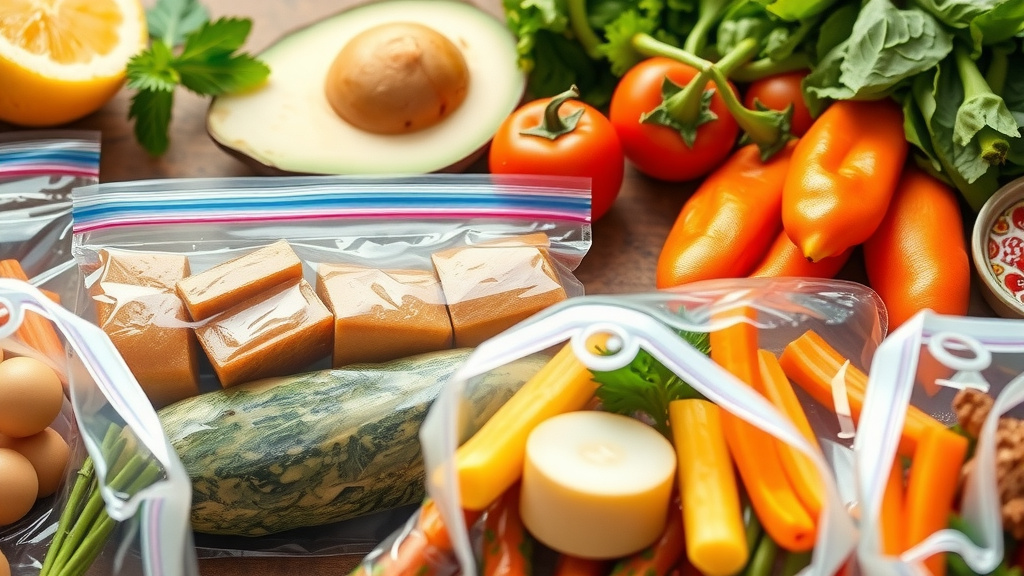
Vacuum Sealing Food: How Long Will It Last
Vacuum sealing your food can dramatically extend its shelf life, often by 3 to 5 times longer than traditional storage methods. For many foods, this means you can keep them fresh and safe to eat for months, or even years, when stored properly. You’ll be amazed at how much longer your groceries can last!
This method works by removing almost all the air from the packaging. This air removal is key to preventing spoilage. It helps stop the growth of bacteria, molds, and yeasts. It also keeps your food safe from freezer burn and preserves its flavor and nutrients.
- Vacuum sealing can extend food life by 3-5x.
- Removes air to stop spoilage bacteria.
- Protects against freezer burn.
- Keeps food tasting fresh.
Ready to see just how long your favorite foods can last? Let’s break down the details for different types of food.
“`htmlHow Long Can Vacuum-Sealed Foods Stay Fresh?
Vacuum sealing food is a fantastic way to keep it fresh for much longer. You might be wondering just how long that “much longer” really is. The answer depends a lot on the type of food and how you store it. But generally, you can expect a big jump in shelf life compared to regular packaging.
We’ve researched storage guidelines to give you a clear picture. This information is based on general best practices and research from food safety organizations. Remember, these are estimates. Always use your senses and judgment when it comes to food safety.
Understanding the Science Behind Vacuum Sealing
You might be asking, “Why does removing air help so much?” It’s all about stopping spoilage. Most bacteria, molds, and yeasts need oxygen to grow. When you vacuum seal, you take away that vital oxygen supply. This dramatically slows down their growth, keeping your food from going bad.
Think of it like giving your food a cozy, airless sleeping bag. It protects the food from things that want to spoil it. It also prevents freezer burn. Freezer burn happens when food dries out in the freezer due to air exposure. Vacuum sealing creates a tight barrier against that.
Shelf Life of Common Foods in Vacuum-Sealed Bags
Let’s get down to the specifics for your favorite foods. Keep in mind these times are for foods stored in a cool, dark place or a freezer. Refrigeration also plays a role in how long things last.
Fresh Meats and Poultry
Raw meats and poultry can last quite a while when vacuum sealed. In the refrigerator, they can often stay fresh for up to one to two weeks. This is much longer than the typical three to five days in standard packaging.
For freezing, vacuum sealing is a game-changer. Instead of just a few months, you can often freeze vacuum-sealed meats for two to three years. They’ll maintain their quality much better for that entire period.
Fish and Seafood
Similar to meats, fresh fish benefits greatly from vacuum sealing. In the fridge, you might get three to six days of freshness. This is a solid improvement over the usual one to two days.
When frozen, vacuum-sealed fish can last from one to two years. Fatty fish, like salmon, might have a slightly shorter optimal window than lean fish, but vacuum sealing still offers excellent protection.
Vegetables and Fruits
For vegetables, it’s important to blanch them first before vacuum sealing and freezing. This step stops enzyme activity that can cause spoilage. Properly blanched and vacuum-sealed vegetables can last one to two years in the freezer.
Fruits are a bit easier. Most fruits can be vacuum sealed raw and frozen. They can last between six months to one year. Berries, in particular, hold up well. You might want to freeze them briefly on a tray before sealing to prevent crushing.
Cheeses
Hard cheeses, like cheddar or parmesan, can last for months in the refrigerator when vacuum sealed. You might see them last six months to a year. This is compared to a few weeks for unwrapped cheese.
Softer cheeses, like brie or cream cheese, don’t fare quite as well. They might last for about one to two months when vacuum sealed and refrigerated. The texture can change more over time with softer cheeses.
Dry Goods and Grains
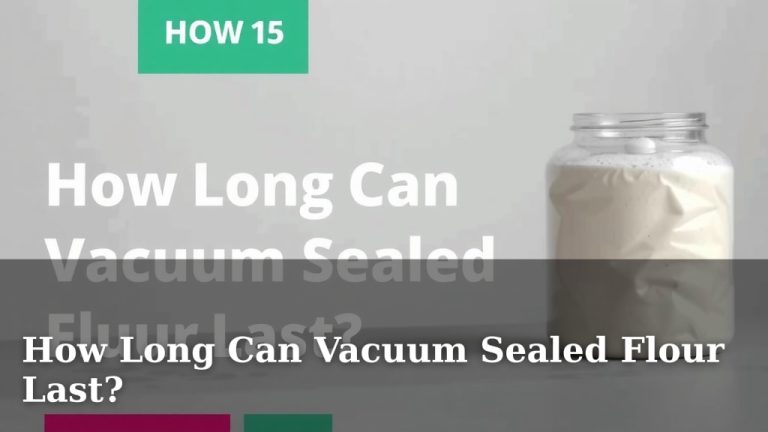
This is where vacuum sealing truly shines for long-term storage. Dry goods like rice, beans, flour, and pasta can last for years when vacuum sealed and stored in a cool, dry place. We’re talking five years or even longer for some items.
This method is excellent for creating a pantry stockpile. It protects against moisture, pests, and staleness. Think about how much money you can save by buying in bulk and storing it properly!
Cooked Meals and Leftovers
Leftovers are perfect candidates for vacuum sealing. Properly cooled and vacuum-sealed cooked meals can last in the refrigerator for about four to six days. This is a nice extension from the usual three to four days.
When frozen, vacuum-sealed cooked meals can be enjoyed for one to three years. This makes meal prep incredibly efficient. You can cook a big batch of chili or soup and freeze individual portions for quick lunches or dinners.
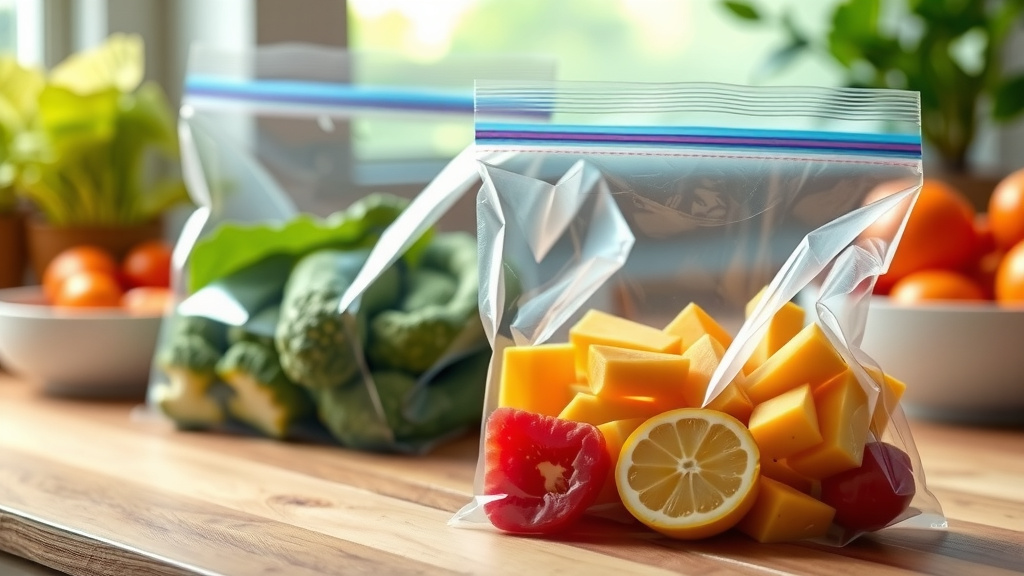
Factors Affecting Shelf Life
While vacuum sealing is powerful, several things can influence how long your food truly lasts. Always consider these points:
- Food Quality: Start with the freshest food possible. Vacuum sealing doesn’t make bad food good.
- Storage Temperature: Colder is better for most items. Freezer temperatures should be 0°F (-18°C) or below.
- Moisture Content: High-moisture foods need careful handling. Ensure they are properly sealed.
- Acidity: Acidic foods tend to last longer.
- Freezer Burn Prevention: While vacuum sealing helps, it’s not foolproof if the seal isn’t perfect.
A Quick Guide to Vacuum-Sealed Storage Times
Here’s a handy checklist to remember some general storage times. These are estimates for optimal conditions:
- Beef, Lamb, Pork (Raw): Fridge: 1-2 weeks; Freezer: 2-3 years
- Chicken (Raw): Fridge: 1-2 weeks; Freezer: 2-3 years
- Fish (Raw): Fridge: 3-6 days; Freezer: 1-2 years
- Vegetables (Blanched): Freezer: 1-2 years
- Fruits (Raw): Freezer: 6 months – 1 year
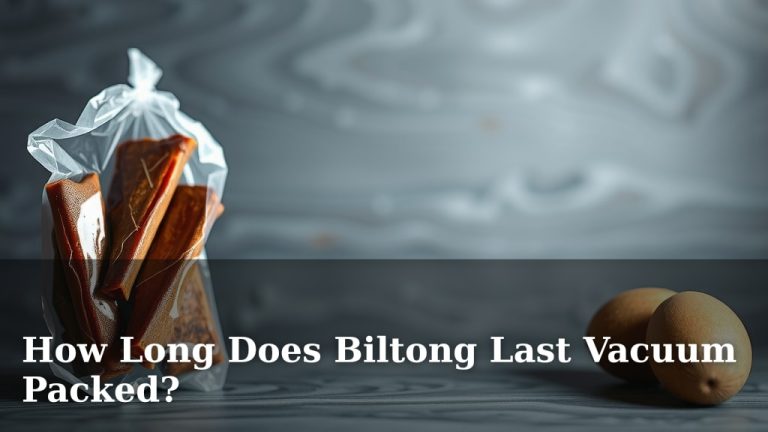
- Hard Cheeses: Fridge: 6 months – 1 year
- Dry Goods (Rice, Beans): Pantry: 5+ years
It’s truly amazing what vacuum sealing can do for your food budget and your kitchen efficiency. You can buy in bulk, reduce waste, and always have delicious meals ready to go. Planning your food storage ahead of time can save you so much stress and money.
“`Conclusion
You’ve seen how vacuum sealing can dramatically extend the life of your food. From fresh meats lasting weeks in the fridge to dry goods staying good for years, the benefits are clear. By removing air, you’re protecting your food from spoilage and freezer burn, saving money, and reducing waste. Imagine having a well-stocked pantry and freezer, always ready for a meal. Take the next step by gathering your supplies and start vacuum sealing your favorite items today to experience these advantages for yourself.
Frequently Asked Questions
Can you vacuum seal hot foods?
No, you should always let foods cool completely before vacuum sealing them. Sealing hot foods can damage your vacuum sealer machine. It can also cause bacteria to multiply quickly in the warm environment inside the bag.
Does vacuum sealing prevent all spoilage?
Vacuum sealing greatly slows down spoilage by removing oxygen, but it doesn’t eliminate it entirely. Proper storage temperatures, like refrigeration or freezing, are still essential for keeping food safe and fresh.
What happens if a vacuum-sealed bag loses its seal?
If a vacuum-sealed bag loses its seal, the food inside is exposed to air again. You should inspect the food closely for any signs of spoilage. If it looks or smells questionable, it’s best to discard it to be safe.
Can you reuse vacuum-sealed bags?
For food safety, it is generally not recommended to reuse vacuum-sealed bags, especially those that have contained raw meats or other high-risk foods. Disposable bags are designed for single use to prevent cross-contamination.
How do you know if vacuum-sealed food has gone bad?
Always trust your senses. Look for any unusual discoloration, sliminess, or mold growth on the food. If you notice any off-putting odors when you open the bag, the food is likely spoiled and should not be consumed.