Vacuum Packed Meat in Freezer: How Long Will It Last
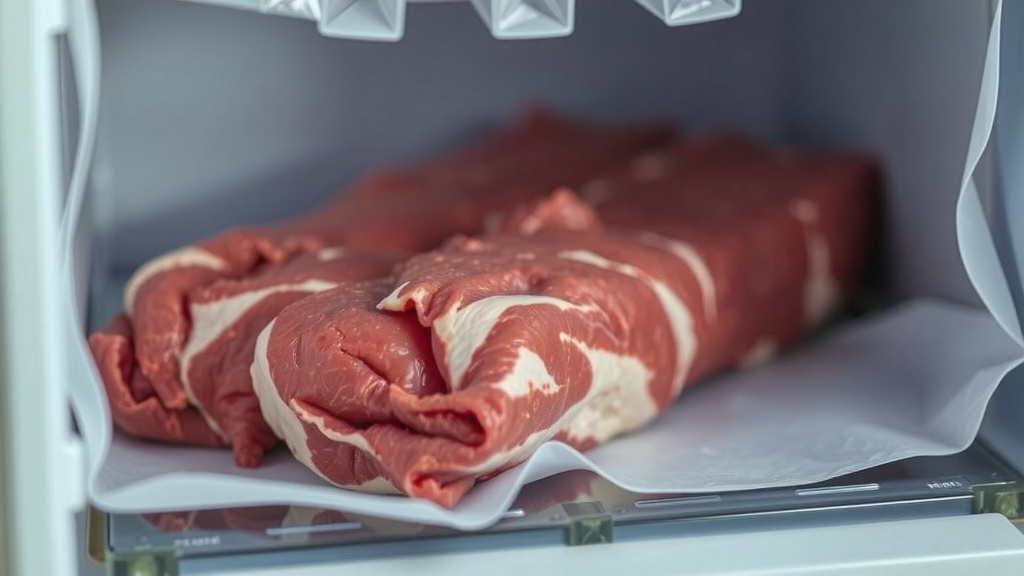
Vacuum packed meat can last for a surprisingly long time in the freezer. With proper vacuum sealing, you can expect most raw meats to be good for up to 2-3 years. Cooked meats, while also benefiting from vacuum sealing, typically have a shorter freezer life, often around 1-2 years. This method offers superior protection against freezer burn.
When meat is vacuum sealed, the removal of air significantly slows down oxidation and bacterial growth. This means your food stays fresher for longer periods than with traditional packaging. Many home cooks and even professional chefs rely on vacuum sealing to preserve quality and reduce waste. It’s a fantastic way to lock in flavor and nutrients.
- Vacuum packed raw meat can last 2-3 years.
- Vacuum packed cooked meat can last 1-2 years.
- It prevents freezer burn effectively.
- It helps maintain flavor and nutrients.
- Quality is significantly better than traditional freezer bags.
Let’s break down the specific timelines for different types of meat and why vacuum sealing makes such a difference.
How Long Can Vacuum Sealed Meat Stay Frozen?
You’ve probably wondered, “Just how long will vacuum packed meat last in the freezer?” It’s a great question, especially when you’re stocking up or buying in bulk. The good news is that vacuum sealing provides a serious boost to your meat’s freezer life.
For most raw meats, expect them to be at their peak quality for up to 2 to 3 years when vacuum sealed. Cooked meats, while also benefiting greatly, typically have a slightly shorter window, generally lasting between 1 and 2 years. This extended lifespan is primarily due to how vacuum sealing combats the main enemy of frozen foods: freezer burn.
Understanding Freezer Burn and Vacuum Sealing
Freezer burn isn’t spoilage, but it can certainly make your food unappetizing. It happens when air gets to your food, causing moisture to evaporate. This leaves behind dry, discolored, and tough spots. It’s like your meat is getting chapped lips, but on a much larger scale.
Vacuum sealing removes almost all the air from the package. This creates a tight barrier around your meat. Without air, oxidation slows way down. Bacteria that thrive in oxygen also struggle to grow. This keeps your meat tasting fresher and having a better texture for much longer.
Freezer Life for Different Types of Meat
The type of meat you’re freezing plays a role in its longevity, even when vacuum sealed. Think of it like different types of travelers; some are more delicate than others.
Beef and Lamb: Built to Last
Larger cuts of beef and lamb, like roasts or steaks, are quite robust. When vacuum sealed, these can easily last 2 to 3 years in the freezer. Ground beef or lamb also holds up well, typically within the same 2 to 3-year range when properly sealed.
Pork: A Solid Contender
Similar to beef, pork cuts like chops, loins, or tenderloins can maintain excellent quality for 2 to 3 years when vacuum sealed. Ground pork also benefits from this protection, offering a similar lifespan.
Poultry: Delicate but Durable
Whole chickens or turkeys, and even large cuts like breasts or thighs, can last a good while. You’re looking at about 2 to 3 years for vacuum-sealed raw poultry. Smaller pieces or ground poultry might have a slightly shorter, though still impressive, shelf life.
Fish: Handle with Care
Fatty fish, such as salmon or tuna, are more susceptible to oxidation. While vacuum sealing helps immensely, their quality might degrade a bit faster than red meats. We often find fatty fish are best used within 1 to 2 years. Leaner fish, like cod or tilapia, can often last closer to 2 to 3 years.
Cooked Meats: Still a Great Option
Don’t forget about your leftovers or pre-cooked meals! Vacuum sealing is fantastic for preserving the quality of cooked meats, too. It prevents that dried-out, reheated taste.
General Guidelines for Cooked Meats
Most cooked meats, whether it’s a pot roast, chicken breasts, or even meatloaf, can last between 1 to 2 years in the freezer when vacuum sealed. This is a significant improvement over traditional freezer bags, which might only keep them good for a few months before quality suffers.
Soups, Stews, and Sauces
Meat-based dishes like chili, stews, or pasta sauces also benefit from vacuum sealing. These are generally safe and retain good quality for about 1 to 2 years. The liquid content helps protect them, and the vacuum seal ensures flavors don’t get muddled.
The Science Behind the Shelf Life
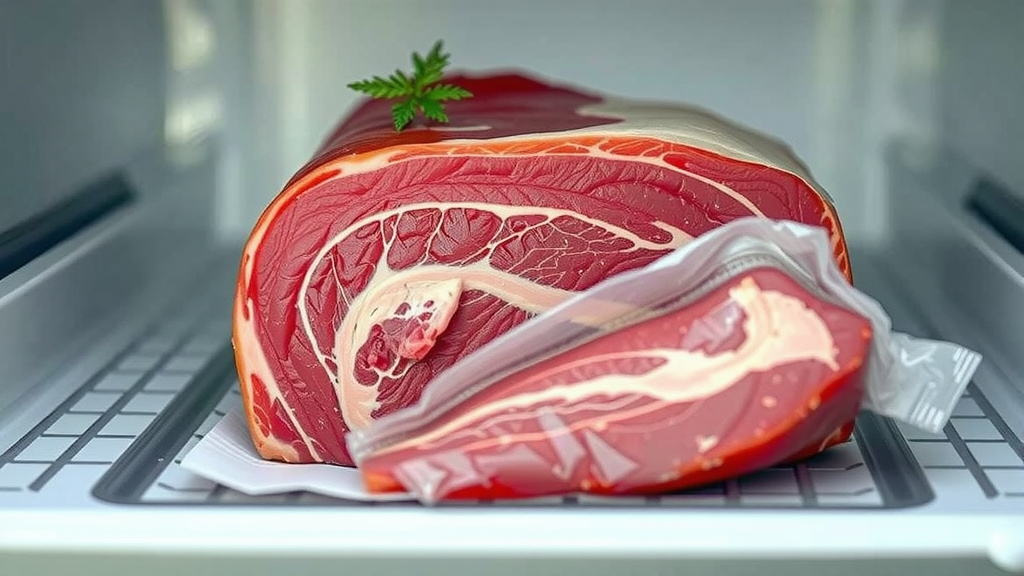
Why does vacuum sealing work so well? It’s all about limiting exposure to what makes food go bad faster in the freezer.
- Oxygen Deprivation: Oxygen is a big culprit in food degradation. It causes fats to go rancid and can change the color and flavor of meat. Removing it halts these processes.
- Moisture Retention: Air circulating in a freezer can pull moisture out of food. This leads to freezer burn. A vacuum seal is a near-perfect barrier, keeping moisture locked in.
- Bacterial Slowdown: While freezing stops bacteria, it doesn’t kill them. Some bacteria need oxygen to multiply. Removing the air significantly slows their activity even further.
Many food safety guidelines suggest that while vacuum-sealed food might remain *safe* to eat for very long periods, its *quality*—texture and flavor—is what we aim to preserve with these extended timelines (USDA). Vacuum sealing helps maintain that quality much better than other methods.
Comparing Vacuum Sealing to Other Methods
Let’s look at how vacuum sealing stacks up against your old freezer bags or containers.
| Packaging Method | Raw Meat Freezer Life (Approximate) | Cooked Meat Freezer Life (Approximate) |
|---|---|---|
| Vacuum Sealing | 2-3 Years | 1-2 Years |
| Heavy-Duty Freezer Bags | 6-12 Months | 4-6 Months |
| Standard Freezer Containers | 4-8 Months | 3-4 Months |
As you can see, the difference is quite dramatic. You get so much more life out of your food when you invest a little time in vacuum sealing.
Tips for Maximizing Freezer Life
Want to ensure your vacuum-sealed meat stays top-notch for as long as possible? Follow these simple tips:
- Start with Freshness: Always freeze the freshest meat possible. Vacuum sealing won’t improve quality; it preserves what’s already there.
- Proper Sealing: Ensure your vacuum sealer is creating a strong, airtight seal. Double-check that there are no leaks or gaps.
- Freeze Quickly: Freeze meat as soon as possible after purchasing or preparing it.
- Consistent Temperature: Keep your freezer at 0°F (-18°C) or below. Consistent, cold temperatures are key.
- Avoid Overcrowding: Don’t pack your freezer too tightly. Good air circulation around packages helps maintain temperature.
By following these steps, you can confidently store your vacuum-sealed meats and enjoy them months or even years down the line without sacrificing taste or texture.
Conclusion
You’ve learned that vacuum sealing is a game-changer for your freezer. It dramatically extends the life and quality of your meats, whether raw or cooked. For raw cuts, you’re looking at an impressive 2-3 years, while cooked meats can last 1-2 years. This method truly combats freezer burn and locks in flavor better than traditional methods. Ready to maximize your food storage? Start by gathering your fresh meat and your vacuum sealer, and begin packing your freezer with confidence.
Frequently Asked Questions
What if my vacuum-sealed meat looks freezer burnt?
Vacuum sealing is excellent, but not invincible. If you notice freezer burn, it’s likely due to a compromised seal or temperature fluctuations. While the meat is still safe to eat, the texture and flavor might be affected. You can trim away the dry spots before cooking.
Can I vacuum seal meat that’s already partially frozen?
Yes, you can! Sealing meat that is partially frozen can actually make it easier to get a better seal, especially with softer cuts like ground meat. Just ensure it’s fully sealed before placing it flat in the freezer to freeze solid.
How do I know if my vacuum-sealed meat is still good after a long time?
Always perform a visual and olfactory check. Look for signs of spoilage like mold, unusual discoloration, or a slimy texture. Smell the meat – if it has a foul or rotten odor, it’s best to discard it, regardless of the vacuum seal.
Does the type of vacuum bag matter for meat longevity?
Yes, using high-quality, BPA-free vacuum seal bags designed for food storage is important. Thicker bags offer better protection against punctures and freezer burn. Always ensure your bags are specifically rated for freezing.
What’s the difference in shelf life between fatty and lean fish when vacuum sealed?
Fatty fish, like salmon, tend to have a slightly shorter freezer life due to fat oxidation, typically around 1-2 years when vacuum sealed. Leaner fish, such as cod or haddock, hold up better and can last closer to 2-3 years thanks to less susceptible fat content.
![7 Best Commercial Vacuum For Hotels [2026]](https://bathroomexplorer.com/wp-content/uploads/2026/05/7-best-commercial-vacuum-for-hotels-2026-featured-768x432.jpg)

![7 Best Cordless Stick Vacuum For Hair [2026]](https://bathroomexplorer.com/wp-content/uploads/2026/05/7-best-cordless-stick-vacuum-for-hair-2026-featured-768x432.jpg)
![7 Best Handheld Vacuum For Coffee Grounds [2026]](https://bathroomexplorer.com/wp-content/uploads/2026/05/7-best-handheld-vacuum-for-coffee-grounds-2026-featured-768x432.jpg)