How Long Vacuum Sealed Beef Lasts in Freezer
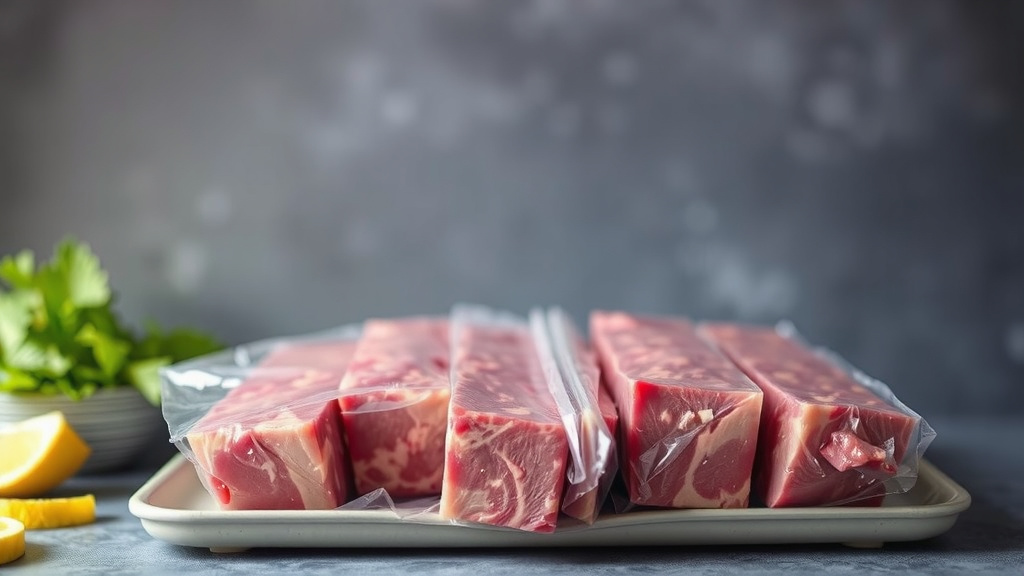
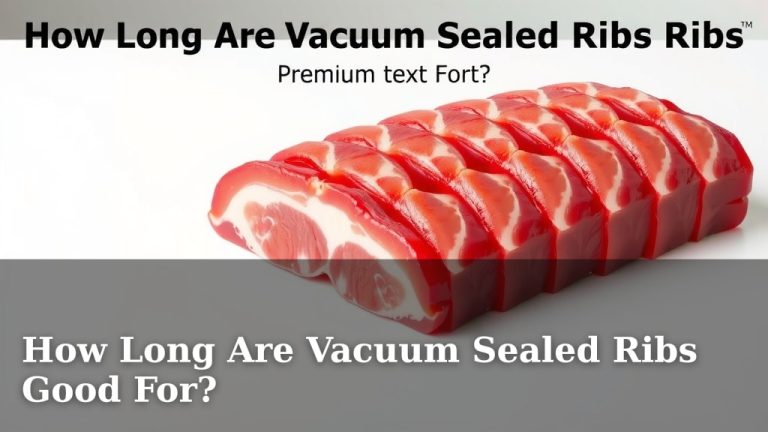
Vacuum sealed beef can last a surprisingly long time in the freezer. When properly sealed and frozen, you can expect your beef to stay good for 6 months to even 2 years, depending on the cut and quality of the seal. This means your favorite steaks or roasts can wait for the perfect occasion without losing their flavor or texture.
The key to this extended freezer life is the removal of air. Vacuum sealing creates an airtight barrier that prevents freezer burn and slows down the oxidation process. This protective layer is essential for maintaining the quality of your frozen beef over many months.
TL;DR:
- Vacuum sealing dramatically extends beef’s freezer life.
- Most vacuum-sealed beef lasts 6 months to 2 years.
- Proper sealing prevents freezer burn and maintains quality.
- Thinner cuts might have slightly shorter optimal times.
So, how long can you *really* keep that vacuum-sealed beef in your freezer? Let’s break down what research and food storage guidelines tell us about maximizing your frozen beef’s potential.
Understanding Vacuum-Sealed Beef Freezer Life
You’ve likely wondered how long that vacuum-sealed beef will stay good in your freezer. The good news is, it’s quite a while! Properly vacuum-sealed beef can last from 6 months to as long as 2 years. This longevity is thanks to the vacuum sealing process itself. By removing air, you’re creating a protective shield for your meat. This shield is your best defense against those dreaded freezer culprits: air exposure and moisture loss.
Why Vacuum Sealing Works Wonders
Think of vacuum sealing as giving your beef a personal, airtight hibernation suit. The primary goal is to remove as much oxygen as possible. Oxygen is the enemy of frozen food. It causes oxidation, which can lead to off-flavors and a less appealing texture. It also fuels the growth of certain microbes, though freezing significantly slows them down (CDC). Without air, these processes are greatly inhibited, keeping your beef tasting fresher for longer. You’re essentially pressing the pause button on spoilage.
The Role of Freezer Burn
Freezer burn is that unsightly, dry, grayish-brown patch you sometimes see on frozen foods. It happens when food is exposed to air, causing its moisture to sublimate (turn directly from solid ice to gas). This not only dries out the meat but also changes its flavor and texture. Vacuum sealing is your secret weapon against freezer burn. By creating a tight seal, it prevents the dry, cold air of your freezer from reaching the beef’s surface. This means your steaks will be juicy and tender, just as you intended.
Factors Affecting Your Vacuum-Sealed Beef’s Shelf Life
While vacuum sealing is fantastic, not all frozen beef is created equal in terms of how long it will stay at its peak quality. Several factors play a role in determining the optimal storage time. It’s not just about the seal; it’s also about the meat itself and how you handled it.
Type of Beef Cut
Thicker cuts of beef, like roasts and whole tenderloins, tend to hold up better in the freezer over extended periods compared to thinner cuts. Why? It’s a matter of surface area to volume. Thicker cuts have less surface area exposed relative to their mass, making them more resilient to the freezing and thawing process. Think of it like a log versus a thin shaving of wood – the log can withstand more.
Steaks and Chops
Your favorite ribeyes, sirloins, or pork chops, when vacuum-sealed, can typically last for about 6 to 12 months. While they might still be safe to eat beyond this, their quality (flavor and texture) will start to decline. We want your meals to be delicious, not just safe, right?
Ground Beef
Ground beef, due to its increased surface area and the process of grinding, generally has a slightly shorter optimal freezer life. For vacuum-sealed ground beef, aim to use it within 3 to 6 months for the best eating experience. It’s still safe for longer, but the nuances of flavor can fade.
Roasts and Whole Cuts
These larger, more substantial pieces of beef are freezer champions. When vacuum-sealed, a beef roast or a whole cut like a brisket or tenderloin can maintain excellent quality for 12 to 24 months. That’s a whole year, or even two, of delicious potential waiting for you!
Quality of the Seal
This is non-negotiable. A good, strong vacuum seal is paramount. If your vacuum sealer didn’t quite get all the air out, or if there’s a tiny leak, moisture can still get in, and freezer burn can start to creep in. Always double-check your seals. You want them to be tight and secure, without any wrinkles or gaps where air could sneak back in. A proper seal is your best insurance policy for long-term storage.
Freezing Temperature and Consistency
Your freezer temperature is critical. For optimal food safety and quality, your freezer should be set at 0°F (-18°C) or below (USDA). Fluctuations in temperature are also bad. Constantly opening and closing the freezer door, or experiencing power outages, can cause ice crystals to form and thaw, impacting the meat’s texture. Keeping your freezer consistently cold is key to maintaining that perfect freeze.
Comparing Freezer Life: Vacuum Sealed vs. Traditional Methods
You might be thinking, “Is vacuum sealing *really* that much better?” The answer is a resounding yes, especially when compared to traditional freezer bags or wrapping. Let’s look at some general guidelines for how long beef lasts in the freezer, and you’ll see the difference vacuum sealing makes.
Here’s a simple comparison based on USDA guidelines and food science findings:
| Beef Product | Traditional Freezer Storage (approx.) | Vacuum-Sealed Freezer Storage (approx.) |
|---|---|---|
| Steaks, Chops, Roasts | 4-12 months | 6-12 months (steaks), 12-24 months (roasts) |
| Ground Beef | 3-4 months | 3-6 months |
| Cooked Beef | 2-3 months | 1-3 years |
As you can see, vacuum sealing dramatically extends the quality retention period for many types of beef. For cooked items, the difference is especially stark. The lack of air exposure protects the cooked proteins from drying out and oxidizing, maintaining flavor and texture for years.
Tips for Maximizing Your Vacuum-Sealed Beef’s Freezer Life
Want to ensure your frozen beef stays in prime condition for as long as possible? A few simple practices can make a big difference. It’s all about being a little mindful during the process. You’ve invested in good meat and a vacuum sealer, so let’s make sure you get the most out of them!
Pre-Freeze Handling Matters
Always start with high-quality, fresh beef. For the best results, you’ll want to freeze beef at its freshest. If you’re vacuum sealing fresh ground beef or steaks, make sure they are well-chilled or partially frozen before sealing. This helps the bag form a tighter seal and prevents juices from accumulating at the seal line, which can compromise the seal.
Proper Sealing Technique
Take your time when vacuum sealing. Ensure the sealing strip of your machine is clean and dry. Some machines have a “moist” setting that can help create a better seal when dealing with juicy meats. If you’re unsure, you can always do a second seal pass. A strong, clean seal is absolutely essential.
Labeling and Inventory
Don’t underestimate the power of a good label! Always date your vacuum-sealed packages. If you bought multiple items, consider labeling the cut of beef as well. Keeping a simple freezer inventory can help you track what you have and ensure you’re using older items first. This is especially helpful when you have many vacuum-sealed items tucked away.
Storage Location in the Freezer
Try to store your vacuum-sealed beef towards the back or bottom of your freezer. These areas tend to be colder and experience less temperature fluctuation than the door or top shelves. This consistent cold environment is your best friend for long-term storage.
When in Doubt, Check It Out
While vacuum sealing significantly extends shelf life, it’s always wise to be observant. Your senses are your best tools for determining if frozen food is still good to eat. Even with a perfect seal, if you notice anything truly concerning, it’s best to err on the side of caution.
The Visual and Olfactory Test
Before cooking, visually inspect the package. Does it look excessively damaged? Is there any sign of thawing and refreezing (e.g., large ice crystals)? When you open the package, give the beef a sniff. Does it smell fresh and clean, or does it have an off, sour, or ammonia-like odor? If the smell is unpleasant, it’s best to discard it. Remember, these guidelines are for maintaining optimal quality. Beef can remain safe to eat longer than its peak quality period, but why compromise on taste and texture?
Conclusion
You’ve learned that vacuum-sealed beef is a freezer superstar, offering quality retention for months, even years. Remember, thicker cuts and a perfect seal are your best allies. By following best practices like proper labeling and consistent freezing temperatures, you can confidently store your beef. Now, go forth and enjoy delicious, perfectly preserved beef whenever the craving strikes. Your freezer is ready for action!
Frequently Asked Questions
Can vacuum-sealed beef really last 2 years?
Yes, research shows that larger cuts like roasts, when vacuum-sealed correctly and stored at a consistent 0°F (-18°C), can maintain excellent quality for up to 24 months. This is significantly longer than traditionally stored beef due to the elimination of air.
What’s the biggest risk to vacuum-sealed beef in the freezer?
The biggest risk is a compromised seal. If air seeps back into the package, it can lead to freezer burn, negatively impacting the texture and flavor of your beef, even if it remains safe to eat.
Do I need to freeze beef *before* vacuum sealing it?
It’s often recommended to partially freeze very juicy meats like ground beef or steaks before sealing. This helps create a tighter seal and prevents moisture from interfering with the sealing strip, ensuring a better barrier against air.
How can I tell if vacuum-sealed beef has gone bad, even if it looks okay?
Trust your nose! Even with a good seal, if the beef emits an off, sour, or ammonia-like odor when you open the package, it’s best to discard it to avoid any risk of illness.
Is vacuum-sealed cooked beef as long-lasting as raw?
The general guidelines suggest cooked beef, when vacuum-sealed properly, can last even longer than raw beef, often storing well for 1 to 3 years while maintaining quality. The sealing protects it from oxidation and drying out.
![7 Best Handheld Vacuum For Computers [2026]](https://bathroomexplorer.com/wp-content/uploads/2026/05/7-best-handheld-vacuum-for-computers-2026-featured-768x432.jpg)