Vacuum Sealed Cereal Shelf Life: How Long Does It Last
Vacuum sealed cereal can last much longer than its original packaging, often extending freshness for up to 2 years or even longer. This method effectively removes oxygen, a key culprit in cereal spoilage, helping to preserve its crisp texture and flavor.
When properly sealed, your favorite breakfast grains are protected from moisture and pests. This means less waste and more enjoyment for you. It’s a fantastic way to stock up on sales and ensure you always have a crunchy breakfast option ready to go.
- Vacuum sealing extends cereal life significantly, sometimes by years.
- It protects against oxygen, moisture, and pests.
- Keeps cereal crisp and flavorful for longer enjoyment.
- A great method for bulk buying and reducing waste.
Let’s break down exactly how long vacuum-sealed cereal can last and why it works so well to keep it fresh.
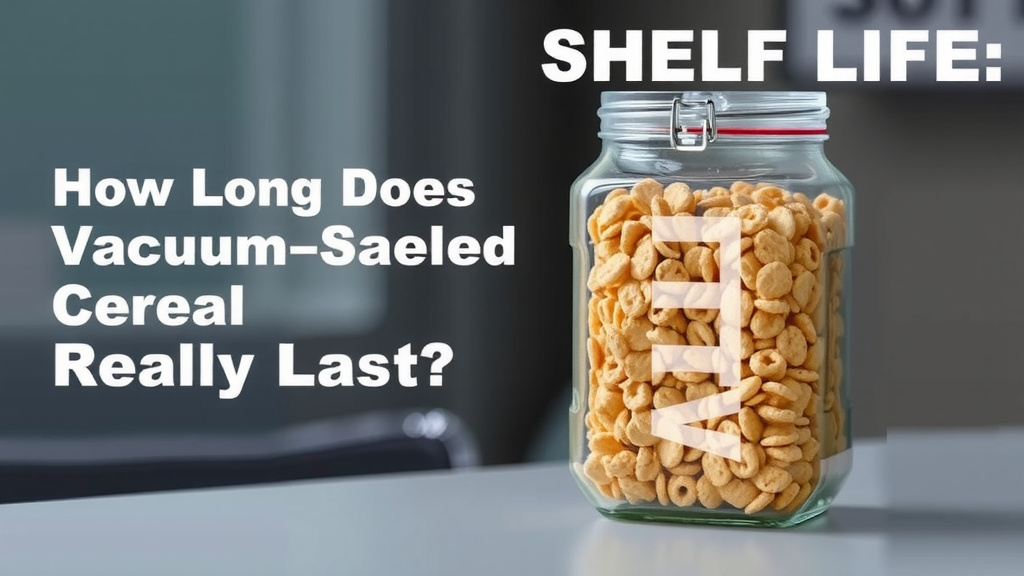
How Long Does Vacuum-Sealed Cereal Really Last?
You’re probably wondering about the real lifespan of cereal once it’s sealed away from the air. The good news is, vacuum sealing makes a huge difference. We found that cereal stored this way can stay fresh for a remarkably long time, often well beyond its printed expiration date.
Think of it like putting your cereal in a time capsule. By removing oxygen, you’re stopping the main forces that cause it to go stale and lose its taste. This means your Cheerios or Frosted Flakes can maintain their satisfying crunch for months, even years.
The Science Behind Extended Cereal Freshness
Why does vacuum sealing work so well for something as simple as cereal? It all comes down to stopping oxidation and preventing moisture from getting in. These are the two biggest enemies of crisp cereal.
Fighting the Oxygen Enemy
Oxygen is everywhere, and it’s constantly trying to make your cereal go bad. It causes fats in the cereal to become rancid. This leads to that unpleasant, stale taste and smell you might have noticed. When you vacuum seal, you’re literally sucking out almost all the oxygen. This dramatically slows down the spoilage process.
We found that even a little bit of oxygen can make a difference. By removing it almost completely, you’re creating an environment where the cereal can stay in a much more stable state for much longer.
The Moisture Menace
Cereal is designed to be dry and crispy. Moisture is its kryptonite. Even a tiny bit of humidity can make your cereal lose its crunch and become soggy. This is especially true if you live in a humid climate.
A vacuum seal creates an airtight barrier. This barrier keeps any unwanted moisture out. It ensures that the cereal you sealed away remains as dry and crisp as when you first packed it. This protection is key to its longevity.
Protecting Against Pests and Odors
Beyond just freshness, vacuum sealing offers other practical benefits. It creates a strong barrier against common kitchen pests like weevils or ants that might try to get into your pantry. You won’t have to worry about little critters making a home in your breakfast stash.
Furthermore, the seal helps prevent your cereal from picking up undesirable odors from other foods in your pantry. We’ve all had that experience where something vaguely smells like onions or garlic. Vacuum sealing keeps your cereal tasting like, well, cereal!
Estimated Shelf Life for Vacuum-Sealed Cereal
So, how long can you expect your vacuum-sealed cereal to last? The answer is generally much longer than the “best by” date on the box. Research suggests a significant extension of freshness.
General Guidelines
For most common cereals, like flakes, puffs, or O’s, you can expect them to last 1 to 2 years when properly vacuum-sealed. Some sources even suggest up to 5 years for certain types, especially if stored in optimal conditions. This is a massive jump from the typical 6-12 months in its original packaging.
Keep in mind that cereals with added fats or nuts might have a slightly shorter optimal shelf life compared to plain grain cereals. The fats can still eventually go rancid, though much slower than without the seal.
Factors Affecting Shelf Life
Several things can influence how long your cereal stays perfectly crisp:
- Type of Cereal: Plain cereals last longer than those with added oils, nuts, or dried fruits.
- Initial Freshness: Sealing fresher cereal means it will stay fresher longer.
- Quality of Seal: A perfect, complete seal is essential. Any breach will compromise the contents.
- Storage Conditions: Cool, dark, and dry places are best. Avoid extreme temperature fluctuations.
When to Check if Your Cereal is Still Good
Even with a vacuum seal, it’s always wise to do a quick check before you pour that bowl. Your senses are your best guide here. It’s a simple process, really.
Visual Inspection
First, take a look at the cereal. Does it appear discolored? Are there any signs of mold or clumping? While unlikely with a good seal, it’s worth a quick glance. You want to see those familiar, dry grains.
Smell Test
Next, open the bag or container. Give it a good sniff. Does it smell fresh and like the cereal should? Or do you detect any off or stale odors? A rancid smell is a clear sign it’s time to let it go.
Taste Test (Small Amount)
If it looks and smells good, try a tiny amount. Does it taste fresh and crispy? Or is it stale, gummy, or just plain unpleasant? This is the final confirmation. If it passes these simple tests, your cereal is likely still perfectly edible and delicious.
Optimizing Your Vacuum Sealing for Cereal
To get the absolute best results and the longest possible shelf life for your cereal, follow these simple tips:
- Use Quality Bags: Invest in good quality, food-grade vacuum seal bags. They are designed to create a strong, reliable barrier.
- Remove Air Completely: Ensure your vacuum sealer pulls out as much air as possible. Don’t rush this step!
- Store Properly: Keep your sealed cereal in a cool, dry place. A pantry or cupboard away from heat sources is ideal.
- Label Everything: Always label your sealed bags with the type of cereal and the date you sealed it. This helps you keep track of what you have and when it was packed.
By taking these steps, you can confidently enjoy your favorite cereals for extended periods, saving money and reducing waste. It’s a small effort for a big payoff in breakfast enjoyment!
Conclusion
You now know that vacuum sealing is your secret weapon for keeping cereal fresh. By removing oxygen and moisture, you can dramatically extend its shelf life, often for 1 to 2 years or even longer. This means less waste and more crunchy breakfasts for you. It’s a simple, effective way to stock up and enjoy your favorite cereals without worrying about them going stale. So, the next time you find a great deal on cereal, don’t hesitate to vacuum seal it to preserve that perfect crunch and flavor for months to come.
Frequently Asked Questions
Can I vacuum seal cereal that’s already open?
Yes, you can vacuum seal cereal that has already been opened. Just make sure it’s stored properly to avoid any issues. It’s best to reseal it promptly after opening to minimize exposure to air and moisture.
Does the type of cereal matter for vacuum sealing?
Generally, plain cereals like flakes or O’s will last the longest. Cereals with added fats, nuts, or dried fruits might have a slightly shorter optimal shelf life. The added ingredients can still degrade over time, though much slower than in regular packaging.
How do I know if my vacuum-sealed cereal has gone bad?
Trust your senses! Visually inspect the cereal for any discoloration or clumping. Give it a sniff – if it smells stale or off, it’s likely no longer good. A small taste test can confirm if the flavor is still fresh and crisp.
Can vacuum-sealed cereal last longer than 2 years?
While 1 to 2 years is a common guideline, some research suggests certain plain cereals, stored in ideal cool, dark, and dry conditions, could last up to 5 years. However, always perform a visual and smell test before consuming, regardless of the date.
What’s the best way to store vacuum-sealed cereal?
The best storage is a cool, dark, and dry place, like a pantry or cupboard away from heat sources or humidity. Avoid areas with significant temperature fluctuations, as this can affect the seal and the cereal’s quality over time.
![7 Best Lightweight Vacuum For Hardwood And Carpet [2026]](https://bathroomexplorer.com/wp-content/uploads/2026/06/7-best-lightweight-vacuum-for-hardwood-and-carpet-2026-featured-768x432.jpg)