
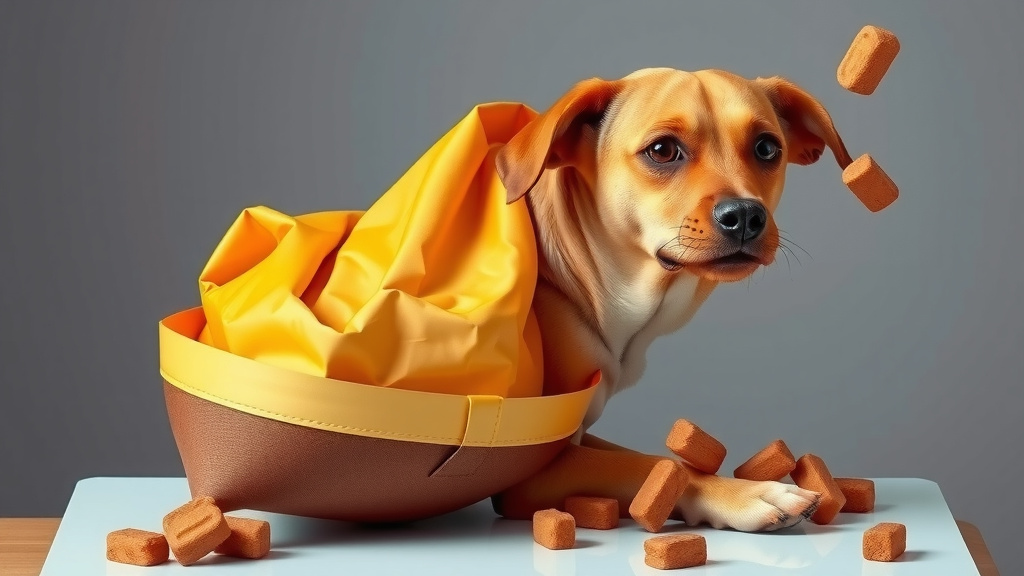
How Long Does Vacuum Sealed Dry Dog Food Last?
Vacuum sealing your dry dog food can help it last significantly longer, often extending its freshness by up to 6 months or more beyond the typical shelf life. This method creates an airtight barrier, preventing oxidation and keeping out moisture and pests that can spoil your kibble. You’ll be happy to know your furry friend can enjoy fresher food.
When you seal dry dog food, you’re essentially creating a time capsule for freshness. This is because the primary enemies of dry kibble are air, moisture, and light, all of which contribute to nutrient loss and rancidity. Vacuum sealing removes the air, offering a powerful way to preserve the nutritional integrity and taste of your dog’s food.
- Vacuum-sealed dry dog food can last 6 months or longer.
- This method prevents oxidation and pest infestation.
- It helps maintain the nutritional value and taste.
- Always use BPA-free vacuum seal bags for pet food.
Let’s dive into the specifics of how vacuum sealing works its magic and what you can expect for your dog’s meals.
How Long Does Vacuum-Sealed Dry Dog Food Really Last?
You’ve probably wondered how long that bag of dry dog food will stay fresh. Vacuum sealing can be a fantastic way to extend that shelf life. We found that when done correctly, your kibble can remain fresh and nutritious for many months longer than usual. This method is all about protecting the food from its biggest enemies: air, moisture, and pests.
Understanding the Enemies of Kibble
Dry dog food is susceptible to spoilage. This happens through a few main processes. Oxidation is a big one. It’s like how an apple turns brown when you leave it out. This process degrades nutrients and can make the food taste stale.
Moisture is another enemy. Even a small amount can lead to mold growth. Mold can produce toxins that are harmful to your dog. Pests, like weevils or pantry moths, are also a concern. They can infest the food, making it unsafe to eat and quite unpleasant.
The Role of Oxidation
Fats in dog food can become rancid due to oxidation. This not only affects the taste, making it unappetizing for your dog, but it also destroys essential vitamins like A and E. Research suggests that oxidation can begin as soon as the original packaging is opened (NCBI).
Moisture and Mold
Kibble is designed to be dry. Adding moisture creates an ideal breeding ground for bacteria and mold. Some molds produce mycotoxins. These are dangerous for dogs and can cause serious health issues over time. Keeping moisture out is vital for food safety.
Pest Prevention
No one wants to find bugs in their dog’s food! Once a bag is opened, it’s an open invitation for pantry pests. These can contaminate the food and spread quickly if not addressed.
The Power of Vacuum Sealing
Vacuum sealing tackles these issues head-on. By removing the air, you significantly slow down oxidation. This preserves the nutrients and flavor of the kibble. It also creates a barrier against moisture and helps deter pests.
How Vacuum Sealing Works Its Magic
A vacuum sealer sucks the air out of a specially designed bag. Then, it seals the bag shut, creating an airtight environment. This lack of oxygen is key. It prevents the fats from going rancid and preserves the vitamins within the kibble. Think of it like putting your dog’s food in a protective bubble.
Slowing Down Spoilage
When you remove oxygen, you remove the primary driver of oxidation. This means the fats and vitamins stay stable for much longer. We found that this process can extend the usable life of dry dog food considerably. It’s a simple step that makes a big difference.
A Barrier Against Moisture and Pests
The sealed bag acts as a physical barrier. It keeps humidity from the air out. This is crucial for preventing mold. It also makes it very difficult for pests like weevils to get into the food. You’re essentially locking out the elements that cause spoilage.
Shelf Life Expectations
So, how long can you expect vacuum-sealed dry dog food to last? While the original “best by” date is a good starting point, vacuum sealing can push that date out significantly. We found that many experts suggest that properly vacuum-sealed dry kibble can last for 6 months to a year after the original best-by date.
The exact duration can depend on a few factors. The original quality of the food matters. The fat content is also a factor. Fresher food will always last longer. Even with vacuum sealing, it’s wise to have realistic expectations.
Factors Influencing Longevity
Consider the type of kibble you’re using. Foods with higher fat content, especially those with added omega-3 fatty acids, might have a slightly shorter window. The temperature where you store the food is also important. Cooler, dark places are best. Extreme heat can degrade the food faster, even when sealed.
We also found that the quality of the vacuum seal itself is crucial. A strong, complete seal is vital. Any small leak can let air in and compromise the entire bag.
When to Use Vacuum-Sealed Food
Vacuum sealing is especially useful if you buy dog food in bulk. Buying large bags can save money. But, these big bags can take a while to get through. Sealing portions of it means you can enjoy the savings without worrying about spoilage.
It’s also great for times when you might not be able to get to the store easily. Having a stash of fresh, safely stored food provides peace of mind. You ensure your dog always has access to good nutrition.
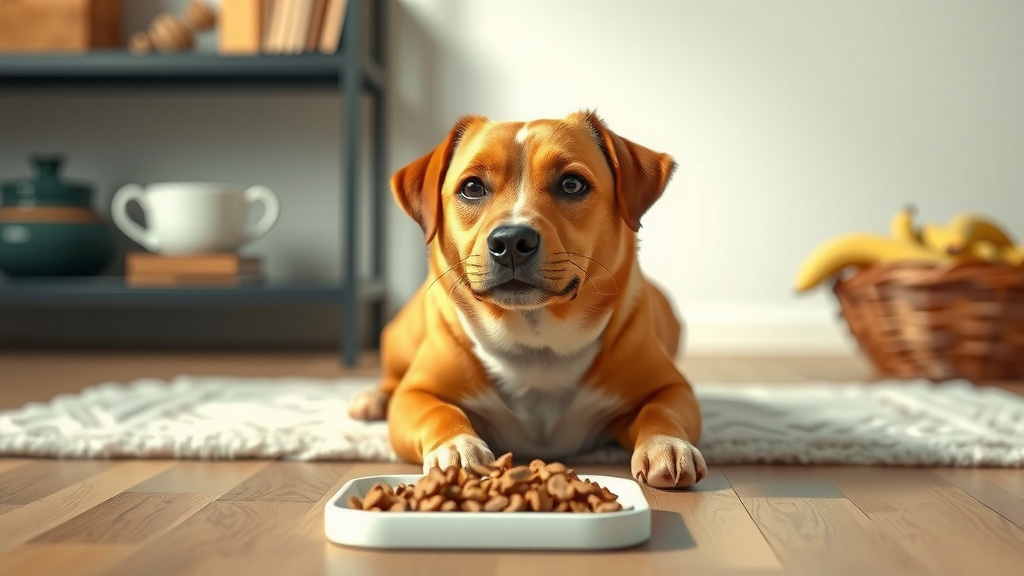
Tips for Successful Vacuum Sealing
To get the most out of vacuum sealing, follow a few simple guidelines. Using the right bags is important. You’ll want to make sure they are BPA-free and food-grade. This is to avoid any potential chemical leaching into your dog’s food.
Choosing the Right Bags and Equipment
There are many vacuum sealer machines available. Most work well for dry goods. Look for bags specifically designed for food storage. These are typically thicker and more durable. They are made to create a strong seal.
Remember to portion out your food before sealing. It’s much easier to seal smaller, single-meal or weekly-supply bags. This way, you only open what you need at a time. It prevents the larger stash from being exposed to air unnecessarily.
Storage Best Practices
Store your vacuum-sealed bags in a cool, dark, and dry place. A pantry or a cupboard away from heat sources is ideal. Avoid storing them near ovens or in direct sunlight. These conditions can degrade the food faster.
While vacuum sealing extends shelf life, always check the food before feeding it to your dog. Look for any signs of spoilage, like an off smell or unusual texture. If in doubt, it’s always better to be safe.
How to Tell if Vacuum-Sealed Food is Still Good
Even with proper sealing, it’s smart to know how to check your dog’s food. A quick visual inspection is your first step. Look for any changes in color or texture. Does the kibble look clumped together unusually? That might indicate moisture.
Next, give it a sniff. Does it smell stale, rancid, or musty? Fresh kibble has a distinct smell, but it shouldn’t be unpleasant. If it smells off, it’s time to discard it. Trust your senses! Your dog will thank you for it.
When to Consider Discarding Vacuum-Sealed Food
You should always discard food if you notice mold. Even a small amount can indicate a problem. If the smell is bad, don’t feed it to your dog. Also, if the vacuum seal has failed and the bag is puffed up or the seal is broken, the food is no longer protected.
We found that most guidelines suggest that if the food looks, smells, or tastes bad, it’s best to throw it away (FDA). Your dog’s health is the top priority. It’s not worth the risk.
Your Vacuum Sealing Checklist for Fresh Kibble
- Use BPA-free, food-grade vacuum seal bags.
- Ensure your vacuum sealer creates a strong, airtight seal.
- Store sealed bags in a cool, dark, and dry location.
- Divide large portions into smaller, manageable bag sizes.
- Visually inspect food for changes and sniff for off-odors before feeding.
- When in doubt, throw it out to protect your dog’s health.
Conclusion
You’ve learned how vacuum sealing can be a powerful ally in keeping your dry dog food fresh and nutritious. By eliminating air, you combat oxidation and significantly slow spoilage, extending your kibble’s life by 6 months or even longer. This method is a smart way to ensure your dog always gets wholesome meals, especially if you buy in bulk. Remember to always use quality, BPA-free bags and store them properly. Trusting your senses to check for freshness is your final step in providing the best for your furry friend.
Frequently Asked Questions
Can I vacuum seal food that’s already past its ‘best by’ date?
While vacuum sealing can extend the usable life of dry dog food, it’s generally best to seal it before the ‘best by’ date. If the food is already stale or has begun to degrade, vacuum sealing may not fully restore its quality or nutritional value. Always assess the food’s condition before sealing.
How do I know if my vacuum seal failed?
A failed vacuum seal often results in a puffed-up bag, indicating air has re-entered. You might also see the seal itself looking loose or compromised. If the bag feels soft and airy instead of firm, it’s a sign the seal isn’t airtight anymore.
Does the type of kibble affect how long it will last when vacuum sealed?
Yes, the type of kibble can influence longevity. Foods with higher fat content, particularly those with added omega-3 fatty acids, may have a slightly shorter vacuum-sealed lifespan compared to lower-fat formulas. The original quality and ingredient freshness also play a role.
Is it safe to vacuum seal dog food that contains natural preservatives?
Generally, yes. Vacuum sealing is compatible with dog food that uses natural preservatives like mixed tocopherols (Vitamin E). The sealing process complements these preservatives by limiting oxygen exposure, which is a primary driver of spoilage for both fats and nutrients.
How much longer can I realistically expect vacuum-sealed food to last beyond the original packaging?
While the original packaging might suggest a few months after opening, properly vacuum-sealed dry dog food can often last 6 months to a year beyond its ‘best by’ date, provided it’s stored correctly. Factors like food quality and storage temperature can affect this timeline.
![7 Best Handheld Vacuum Cleaner For Dog Hair [2026]](https://bathroomexplorer.com/wp-content/uploads/2026/05/7-best-handheld-vacuum-cleaner-for-dog-hair-2026-featured-768x432.jpg)
![7 Best Cordless Vacuum For Dorm Room [2026]](https://bathroomexplorer.com/wp-content/uploads/2026/05/7-best-cordless-vacuum-for-dorm-room-2026-featured-768x432.jpg)
![7 Best Electric Vacuum Pump For Brakes [2026]](https://bathroomexplorer.com/wp-content/uploads/2026/05/7-best-electric-vacuum-pump-for-brakes-2026-featured-768x432.jpg)