Vacuum Sealed Peanuts Shelf Life: How Long Do They Last
Vacuum sealed peanuts can last a surprisingly long time, often for 1 to 2 years if stored properly. This long shelf life is thanks to the removal of oxygen, which is the biggest culprit in spoilage and rancidity. So, go ahead and stock up!
When you remove air from your peanuts using a vacuum sealer, you’re essentially hitting the pause button on the natural degradation process. This means your peanuts stay fresher, tastier, and safer to eat for much longer than those stored in regular bags or containers. It’s a fantastic way to preserve that satisfying crunch.
- Vacuum sealed peanuts typically last 1-2 years.
- Oxygen removal is key to their extended freshness.
- Proper storage prevents rancidity and maintains taste.
- They remain safe and delicious for a long duration.
Let’s break down exactly how long your vacuum sealed peanuts will stay good and the factors that influence their lifespan.
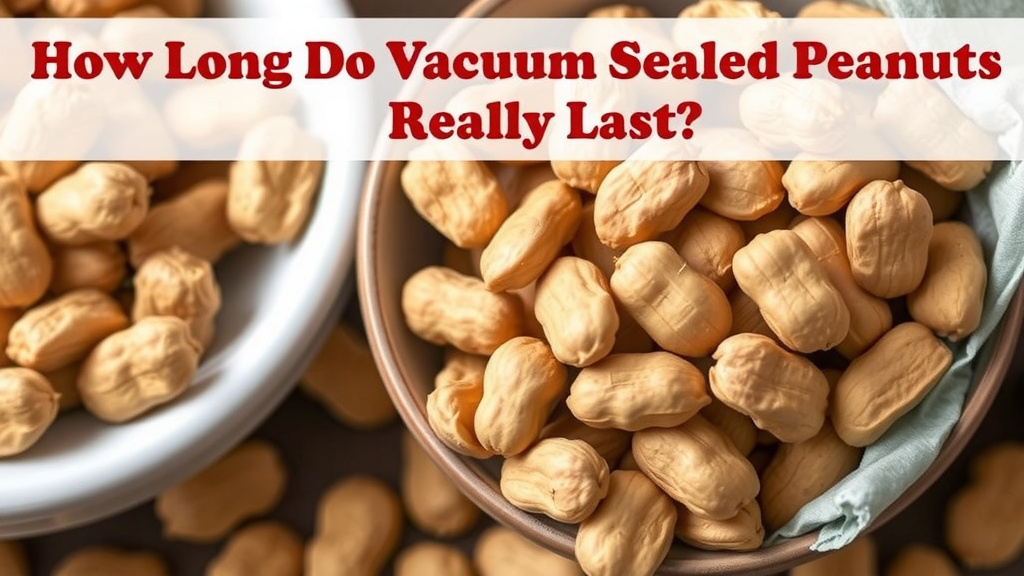
How Long Do Vacuum Sealed Peanuts Really Last?
You’re curious about how long your vacuum sealed peanuts will stay fresh. You’ve invested in a vacuum sealer, and you want to make sure your crunchy snacks are good to eat for as long as possible. We found that properly vacuum sealed peanuts can last quite a while, typically between **1 to 2 years**. This is a big win for keeping your pantry stocked!
The Science Behind Extended Shelf Life
Why do vacuum sealed peanuts last so much longer? It all comes down to oxygen. Peanuts, like many foods, contain fats that can go bad when exposed to air. This process is called oxidation. Oxidation leads to that unpleasant, stale flavor we call rancidity. It’s like leaving a half-eaten bag of chips out on the counter; they quickly lose their crispness and taste.
Oxygen: The Enemy of Freshness
When you vacuum seal your peanuts, you’re removing almost all the air from the package. This drastically slows down the oxidation process. Think of it like putting your peanuts in a protective bubble. Without oxygen to react with the fats, the peanuts can maintain their flavor and texture for a much longer period. Many food preservation guidelines highlight oxygen removal as a key strategy for extending shelf life (USDA).
Moisture Matters Too
While oxygen is a primary concern, moisture can also play a role in peanut spoilage. If there’s any residual moisture inside the vacuum bag, it can encourage mold growth or affect the texture, making the peanuts feel a bit chewy instead of crunchy. Ensure your peanuts are completely dry before sealing.
Factors Affecting Vacuum Sealed Peanut Longevity
While the vacuum seal is powerful, it’s not the only factor determining how long your peanuts will last. Several other elements come into play, influencing their peak freshness and overall safety. It’s like having a great car; maintenance still matters!
Initial Quality of the Peanuts
The starting point is always important. If you’re sealing peanuts that are already a bit stale or have been exposed to air for a while, the vacuum seal will help, but they won’t last as long as freshly roasted or raw peanuts. We found that using the freshest, highest-quality peanuts you can find will give you the best results for long-term storage.
Type of Peanuts
Are you sealing raw peanuts, roasted peanuts, or perhaps flavored ones? This can make a slight difference.
Raw Peanuts
Raw peanuts tend to have a longer potential shelf life when vacuum sealed compared to roasted ones. They haven’t undergone the roasting process, which can sometimes begin to break down oils. Raw peanuts, when sealed properly, can often last upwards of 2 years.
Roasted Peanuts
Roasted peanuts, while delicious, have a slightly shorter potential lifespan when vacuum sealed. The roasting process can make the oils within the peanuts more susceptible to oxidation. Even with the air removed, you might notice a slight change in flavor after about 18 months. We found that roasted peanuts typically fare well for 1 to 1.5 years.
Flavored or Salted Peanuts
If your peanuts have added seasonings, sugars, or oils (like in some candied or spicy varieties), these additives can sometimes affect the overall shelf life. Sugars can potentially attract moisture, and added oils might have their own shelf life considerations. Stick to plain peanuts for the longest storage if that’s your goal.
Storage Environment: Keeping Them Cool and Dark
Where you store your vacuum sealed peanuts is critical. Even with the air removed, extreme temperatures or light exposure can degrade the quality over time.
Temperature is Key
The ideal storage temperature for vacuum sealed peanuts is cool. Think of it like storing fine wine; consistency is important. Aim for a stable temperature, ideally between 50-70°F (10-21°C). Warmer temperatures, especially fluctuating ones, can accelerate any remaining degradation processes. Refrigeration can extend the shelf life even further, pushing it towards the 2-year mark or slightly beyond, but it’s not strictly necessary if your pantry is cool and stable.
Light Sensitivity
Light can also degrade the quality of peanuts, even in a sealed bag. Sunlight, in particular, contains UV rays that can break down fats and nutrients. Always store your vacuum sealed peanuts in a dark place, like inside a cupboard or pantry.
When to Check if Your Peanuts Are Still Good
Even with the best vacuum sealing and storage, it’s always wise to give your peanuts a quick check before enjoying them. Trust your senses!
Here’s a quick checklist:
- Look: Do they appear discolored or oily on the surface (if it’s a clear bag)?
- Smell: Do they have a stale, musty, or off odor? Fresh peanuts smell nutty and pleasant.
- Taste: A small bite is the ultimate test. If they taste stale, rancid, or bitter, it’s time to let them go.
Vacuum Sealing vs. Other Methods
It’s helpful to see how vacuum sealing stacks up. You might be used to storing nuts in airtight containers or their original packaging. While those methods work, they don’t offer the same level of protection.
| Storage Method | Estimated Shelf Life (Peanuts) |
|---|---|
| Original Bag (Open/Closed) | A few weeks to 3 months |
| Airtight Container (Pantry) | 6 months to 1 year |
| Vacuum Sealed (Pantry) | 1 to 2 years |
| Vacuum Sealed (Refrigerator) | Up to 2 years or more |
As you can see, vacuum sealing offers a significant advantage. Removing the air makes a world of difference in preserving quality and preventing spoilage.
Conclusion
You’ve learned that vacuum sealed peanuts can be a pantry staple for 1 to 2 years when stored correctly. By removing oxygen, you’ve dramatically slowed down spoilage and kept your peanuts tasting great. Remember that the initial quality of your peanuts and consistent, cool storage are key to achieving this impressive shelf life.
So, go ahead and seal up those peanuts to enjoy crunchy, fresh snacks whenever you please. Your next step? Make sure your pantry is cool, dark, and ready to store your vacuum sealed treasures!
Frequently Asked Questions
Can I vacuum seal peanuts that are already opened?
Yes, you can vacuum seal opened peanuts. Make sure they are still fresh and haven’t developed any off-smells or flavors. Vacuum sealing will help preserve their current state for a longer period.
Do vacuum sealed peanuts need to be refrigerated?
Refrigeration isn’t strictly necessary if your pantry stays cool and dark. However, putting vacuum sealed peanuts in the refrigerator can extend their shelf life even further, pushing it beyond the typical 2-year mark.
What happens if I vacuum seal moist peanuts?
Sealing moist peanuts is not recommended. Any residual moisture can lead to mold growth or affect the texture, making them chewy instead of crunchy. Always ensure your peanuts are completely dry before vacuum sealing.
Will flavored vacuum sealed peanuts last as long as plain ones?
Flavored or seasoned peanuts might have a slightly shorter shelf life. Additives like sugars can sometimes attract moisture, and added oils may have their own shelf life considerations, potentially shortening the overall duration.
How do I know if my vacuum sealed peanuts have gone bad?
Trust your senses! Visually inspect them for discoloration or an oily sheen. Smell for any stale or musty odors, as fresh peanuts should smell nutty. A small taste test is the final check; if they taste off, rancid, or bitter, it’s time to discard them.
![7 Best Industrial Vacuum Cleaner For Fine Dust [2026]](https://bathroomexplorer.com/wp-content/uploads/2026/06/7-best-industrial-vacuum-cleaner-for-fine-dust-2026-featured-768x432.jpg)