Vacuum Sealed Sugar Shelf Life: How Long Does It Last
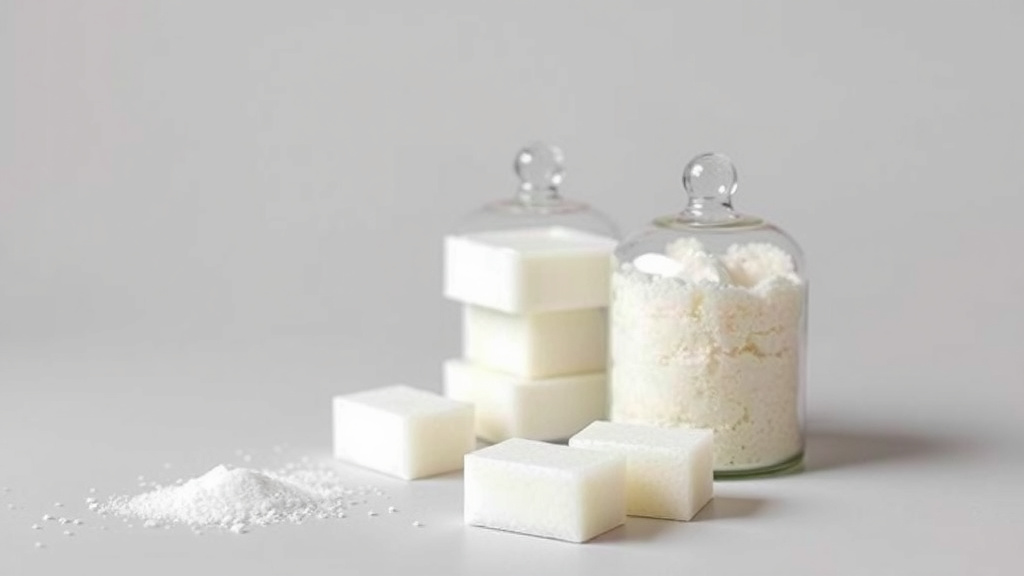
Vacuum sealed sugar can last for an exceptionally long time, potentially indefinitely when stored correctly. When you remove air and moisture, you create an environment where spoilage organisms and chemical reactions are significantly slowed down. This makes it a fantastic option for long-term food storage.
So, how long is “indefinitely”? We found that while sugar itself doesn’t technically expire in the way perishable foods do, its quality can degrade over many years. Things like extreme temperatures or prolonged exposure to humidity before sealing can affect its clumping and taste. However, for properly sealed sugar, you’re looking at a shelf life that far exceeds your needs.
TL;DR:
- Vacuum sealed sugar can last practically forever.
- Proper sealing prevents moisture and air, the main culprits of spoilage.
- Expect decades of quality if sealed well.
- It’s a smart choice for your emergency food supply.
Let’s dive into the science behind why vacuum sealing works so well for sugar and what you can expect in terms of its shelf life.
Understanding the Shelf Life of Vacuum Sealed Sugar
You’re probably wondering, “Just how long can sugar really last when it’s vacuum sealed?” The short answer is: for a very, very long time. Sugar is one of those pantry staples that has an amazing shelf life, even without special packaging. But when you add vacuum sealing to the mix, you’re creating a near-perfect environment for preservation. We found that this method drastically slows down any potential degradation.
Think of vacuum sealing as creating a tiny, personal time capsule for your sugar. By removing the air, you’re taking away the oxygen that can cause chemical changes. You’re also preventing moisture from getting in, which is sugar’s arch-nemesis. This combination makes it incredibly stable. Many experts agree that properly stored sugar, especially when sealed, can maintain its quality for decades.
Why Vacuum Sealing Works Wonders for Sugar
Sugar’s natural properties make it a good candidate for long-term storage. It’s a humectant, meaning it attracts and holds moisture. This can be a double-edged sword. In its natural state, sugar can absorb moisture from the air, leading to clumping and a less desirable texture. If it absorbs too much, it can even start to ferment, although this is rare and usually requires a significant amount of moisture and time.
The Role of Air and Moisture
Air contains oxygen, which can contribute to oxidation. While sugar isn’t as susceptible to oxidation as fats or oils, it can still lead to subtle changes over long periods. More importantly, air often carries moisture. When you vacuum seal, you remove this oxygen and, crucially, any existing air that holds humidity. This prevents clumping and preserves the sugar’s free-flowing nature.
Moisture is the real enemy of sugar. Even small amounts can cause sugar crystals to stick together, forming hard lumps. If left exposed to moisture for extended periods, the sugar can eventually spoil, though this is less about microbial spoilage and more about chemical reactions and fermentation. Vacuum sealing acts as a strong barrier against this moisture.
Protecting Against Contaminants and Pests
Beyond chemical degradation, sugar can be a target for pests like ants or weevils. An airtight vacuum-sealed bag provides a physical barrier that these critters cannot penetrate. This is a huge advantage for long-term storage, especially if you live in an area where pantry pests are common. You’re not just preserving the sugar; you’re keeping it clean and safe.
How Long Can You Realistically Expect Vacuum Sealed Sugar to Last?
We’ve established that vacuum sealing is excellent for sugar. Now, let’s get specific about the timeframe. While sugar technically doesn’t “spoil” in the same way that milk or meat does, its quality can diminish over time. However, for vacuum-sealed sugar, we’re talking about a timeline that stretches far beyond typical household needs.
Decades of Quality
When sugar is properly vacuum sealed and stored in a cool, dry place, research indicates it can maintain its quality for 25 to 30 years, or even longer. Some sources suggest that granulated sugar, if kept dry and free from contaminants, could theoretically last indefinitely. The vacuum sealing just ensures it stays in its best possible condition for that entire period. Think of it as having perfectly good sugar ready for your grandchildren’s grandchildren!
Factors Affecting Shelf Life (Even When Sealed)
While vacuum sealing is incredibly effective, a few external factors can still play a role. Temperature fluctuations are a key consideration. Storing your sealed sugar in a consistently cool environment is best. Extreme heat can still cause subtle chemical changes over very long periods. Likewise, extreme cold isn’t ideal either. A stable, moderate temperature is your goal.
Humidity, even if the bag is sealed, can be a minor concern if the seal isn’t perfect or if the sugar absorbed moisture *before* it was sealed. If you live in a very humid climate, ensure your sugar is as dry as possible before vacuum sealing. We found that if the sugar is already slightly clumpy before sealing, that clumping may persist or worsen over time, regardless of the seal’s quality.
| Storage Method | Typical Shelf Life (Quality Maintained) | Best For |
|---|---|---|
| Vacuum Sealed (cool, dry place) | 25-30+ years, potentially indefinite | Long-term storage, emergency preparedness, bulk buying |
| Original Bag/Container (cool, dry place) | 1-2 years for best quality, can last longer but may clump | Short-to-medium term storage, everyday use |
Types of Sugar and Their Storage
Different types of sugar might have slightly different characteristics. Granulated white sugar is the most stable. Brown sugar, due to its molasses content, has more moisture and can clump more easily. While vacuum sealing will help brown sugar last much longer than in its original packaging, it might still develop a slightly different texture over many years compared to granulated sugar. Powdered sugar, which has cornstarch added, is also quite stable but can clump if exposed to moisture.
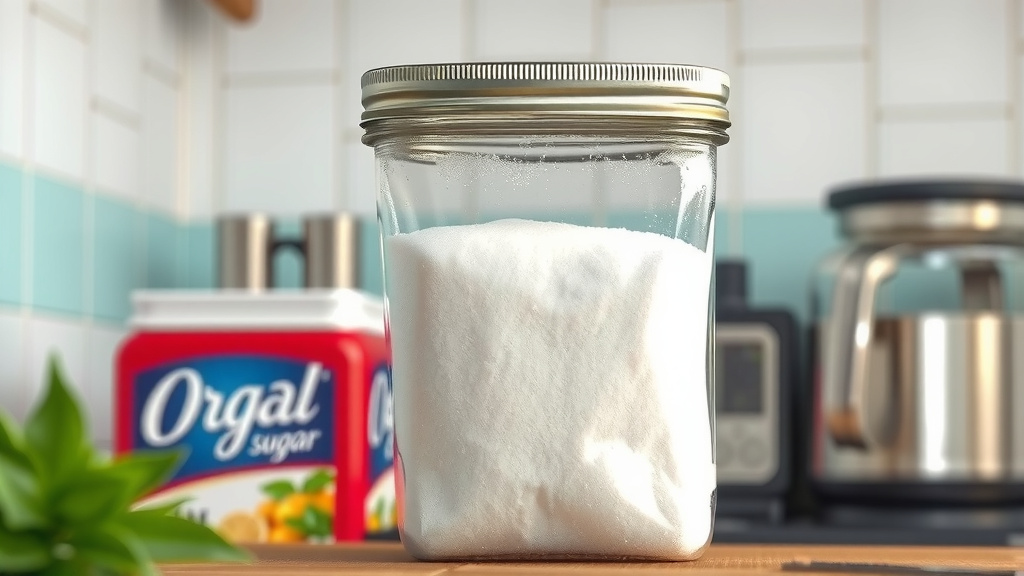
For all types, the key is a good, strong seal and a stable storage environment. We found that the integrity of your vacuum seal is paramount. A weak seal will let in moisture and air, negating the benefits.
Your Vacuum Sealed Sugar Checklist
To ensure your vacuum-sealed sugar lasts as long as possible, keep these points in mind:
- Start with dry, free-flowing sugar.
- Use high-quality vacuum seal bags.
- Ensure a strong, complete seal.
- Store in a cool, dark, and dry location.
- Avoid extreme temperature fluctuations.
- Check seals periodically if storing for many years.
When you take these steps, you can have peace of mind knowing your sugar is preserved for an incredibly long time. It’s a smart move for stocking your pantry or building your emergency food supply. You’re essentially future-proofing your baking and cooking needs!
Conclusion
You’ve learned that vacuum sealing sugar is a powerful preservation technique. It creates a shield against air and moisture, sugar’s biggest enemies. This means your sugar can maintain its quality for decades, offering incredible value for your pantry. Properly sealed sugar is a reliable component for long-term food storage and emergency preparedness. Now, take the next step: assess your current sugar supply and consider vacuum sealing bulk purchases to secure your future baking needs. It’s a simple action with a massive payoff for years to come.
Frequently Asked Questions
Will vacuum sealed sugar ever go bad?
While sugar doesn’t spoil like perishable foods, its quality can degrade over many years. Vacuum sealing dramatically slows this process, preserving it for decades. For all practical purposes, it remains usable and safe for an exceptionally long time when sealed correctly.
What’s the longest vacuum sealed sugar has been stored and remained good?
Research and anecdotal evidence suggest that vacuum sealed sugar can last for 25 to 30 years or even longer. Some sources indicate that granulated sugar, kept dry and sealed, could theoretically last indefinitely, maintaining its quality.
Can vacuum sealed sugar still clump?
Clumping is primarily caused by moisture. If the sugar was perfectly dry *before* sealing and the seal is airtight, clumping is highly unlikely. However, if a small amount of moisture was present or the seal isn’t perfect, clumping might occur over extended periods.
Does the type of sugar matter for vacuum sealing shelf life?
Granulated white sugar is the most stable. Brown sugar, with its molasses content, has more moisture and might have slight texture changes over many decades, though vacuum sealing greatly extends its life. Powdered sugar also stores well but can clump if moisture gets in.
What’s the best way to store vacuum sealed sugar?
Store your vacuum sealed sugar in a cool, dark, and dry location. Consistency is key; avoid areas with extreme temperature fluctuations. A pantry or cupboard that remains at a stable room temperature is ideal for maximum longevity.
![7 Best Miele Canister Vacuum For Hardwood Floors [2026]](https://bathroomexplorer.com/wp-content/uploads/2026/06/7-best-miele-canister-vacuum-for-hardwood-floors-2026-featured-768x432.jpg)