Robot Vacuum Noise Levels: What to Expect
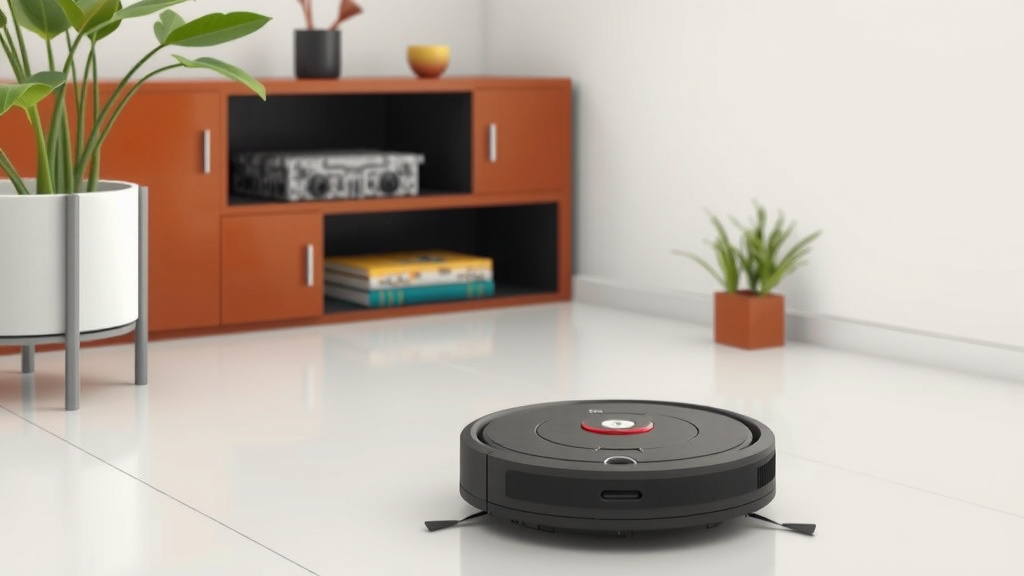
Robot vacuums are generally much quieter than traditional vacuums. Most operate between 55 and 75 decibels (dB), which is comparable to normal conversation or a dishwasher. This means you can often run them while you’re home without much disruption. So, yes, you can usually enjoy a cleaner floor without the deafening roar.
While quieter, the noise level can still vary quite a bit. Factors like motor power, brush design, and even the type of flooring you have can affect how loud your robot vacuum sounds. Some models are specifically designed for quieter operation, making them ideal for homes with pets or young children. You might even forget it’s running!
- Robot vacuums are typically 55-75 dB.
- That’s about as loud as talking or a dishwasher.
- Many are quiet enough to run while you’re home.
- Noise levels vary by model and features.
So, how loud are robot vacuums exactly, and what should you listen for? Let’s break down the decibel levels and what they mean for your home.
“`htmlUnderstanding Robot Vacuum Noise Levels
So, you’re curious about how loud these little cleaning robots actually are. It’s a great question to ask before you buy! You might be imagining a loud whirring machine, but research shows robot vacuums are generally much quieter than you might think.
Decibels: What Do They Mean?
To understand robot vacuum noise, we need to talk about decibels (dB). This is the unit used to measure sound intensity. Think of it as the volume knob for sound. A lower decibel number means a quieter sound.
Everyday Sound Comparisons
Let’s put some common sounds into perspective. A whisper is about 30 dB. Normal conversation is around 60 dB. Your refrigerator might hum at about 40 dB. A dishwasher typically runs between 60 and 75 dB (Sound Professionals).
Robot Vacuums in the Mix
Most robot vacuums fall into a comfortable range. We found that many models operate between 55 and 75 decibels. This puts them right in line with everyday sounds like talking or running a dishwasher.
Factors Affecting Robot Vacuum Noise
While the general range is helpful, not all robot vacuums sound the same. Several things can make one louder or quieter than another. It’s helpful to know what to look for if noise is a big concern for you.
Motor Power and Suction
A robot vacuum needs suction to pick up dirt and debris. More powerful motors often mean stronger suction, which can sometimes translate to more noise. However, manufacturers are getting smarter. They’re developing ways to make powerful motors quieter than ever before.
Brush Design and Type
The spinning brushes on a robot vacuum play a role in sound. Some brush designs might create more friction or noise as they agitate carpets and floors. You might find that models with softer rubber brushes are quieter than those with stiffer bristles.
Carpet vs. Hard Floors
Where your robot vacuum cleans also matters. On hard floors like tile or hardwood, the sound of the vacuum is usually more direct. On carpets, the fibers can absorb some of the sound, making the vacuum seem quieter overall.
“Quiet Mode” Features
Many newer robot vacuums come with special settings. A “quiet mode” or “eco mode” often reduces suction power slightly. This can significantly lower the decibel level, making the robot ideal for nighttime cleaning or when you’re home.
Navigating Noise Levels for Your Home
When you’re shopping for a robot vacuum, the decibel rating is a key spec to check. You don’t want a robot that sounds like a jet engine taking off in your living room!
What’s Considered “Quiet” for a Robot Vacuum?
Generally, anything below 60 dB is considered quite quiet. Many robot vacuums achieve this. If you find a model that operates in the 55-60 dB range, it’s likely to be barely noticeable. Even models in the 60-70 dB range are often no louder than a standard conversation.
The “Too Loud” Threshold
Robot vacuums that creep above 75 dB might start to become disruptive. This is roughly the noise level of a garbage disposal. If you plan to run your robot while you’re home relaxing or working, you’ll want to avoid models in the higher decibel ranges.
When Noise Levels Matter Most
Consider your household’s specific needs. Are you sensitive to noise? Do you have a baby who naps or pets who get easily spooked? These are all important factors when deciding on the loudest acceptable noise level.
Homes with Babies or Pets
Many parents and pet owners look for robot vacuums specifically designed for quiet operation. These models often prioritize low noise levels over maximum suction power. You might find they take a little longer to clean, but the peace and quiet are well worth it.
Open-Plan Living Spaces
If you have an open-concept home, sound travels easily. A loud vacuum can echo throughout your space. In these situations, a quieter robot vacuum is definitely a smart choice.
Running While You’re Away
If you plan to only run your robot vacuum when you’re not home, the noise level becomes less of a concern. You can potentially choose a model with more powerful suction, even if it’s a bit louder. It’ll get the job done while you’re out!
| Decibel (dB) Range | Sound Comparison | Impact on Your Home |
|---|---|---|
| 30-40 dB | Whisper, Refrigerator | Extremely quiet, barely noticeable. |
| 55-60 dB | Quiet conversation, library | Very quiet, easy to ignore. |
| 60-75 dB | Normal conversation, dishwasher | Noticeable but generally not disruptive. |
| 75+ dB | Garbage disposal, noisy restaurant | Can be disruptive, best run when away. |
Your Robot Vacuum Noise Checklist
Before you make a purchase, keep these points in mind to ensure you pick a robot vacuum that fits your noise tolerance:
- Check the dB rating: Look for models in the 55-75 dB range, ideally closer to 60 dB or less.
- Read reviews: See what actual users say about the noise level.
- Consider your floor type: Carpets can muffle sound.
- Look for quiet modes: These settings can significantly reduce noise.
- Think about your lifestyle: When will you run the robot?
- Factor in pets and babies: Extra quiet models are best for sensitive households.
Conclusion
So, you’ve learned that robot vacuums are generally much quieter than traditional vacuums. Most fall between 55 and 75 decibels, similar to everyday sounds like conversation or a dishwasher. Factors like motor power, brush design, and your flooring can influence the noise. Remember to check the decibel (dB) rating before you buy, especially if you have pets, young children, or an open-plan home. Look for models with quiet modes if peace is a priority. By keeping these points in mind, you can find a robot vacuum that cleans effectively without disturbing your household. Your next step is to check product specifications and user reviews for specific models that match your noise tolerance.
Frequently Asked Questions
What is the average decibel level of a robot vacuum?
We found that most robot vacuums operate within a 55 to 75 decibel range. This is comparable to everyday sounds like a normal conversation or a running dishwasher. Some models are even quieter, often falling below 60 dB.
Can I run a robot vacuum while I’m home?
Yes, you generally can. Many robot vacuums are quiet enough to run while you’re home without causing disruption. If you work from home or simply prefer a quieter environment, look for models with lower decibel ratings or specific “quiet modes”.
Are robot vacuums louder on carpet or hard floors?
Robot vacuums tend to sound quieter on carpet. The carpet fibers help to absorb some of the sound, muffling the noise. On hard floors like tile or wood, the sound is more direct and can seem louder.
What makes one robot vacuum louder than another?
Several factors contribute to a robot vacuum’s noise level. These include the power of its motor, the design of its spinning brushes, and the suction power it uses. Models designed for quiet operation often balance these features carefully.
How can I find a truly quiet robot vacuum?
To find a quiet model, check the decibel (dB) rating in the product specifications, aiming for 60 dB or lower. Reading user reviews can also be very helpful, as people often comment on the actual noise level. Some models offer a dedicated “quiet” or “eco” mode that significantly reduces noise.