
How Many Volts Does a Vacuum Cleaner Use
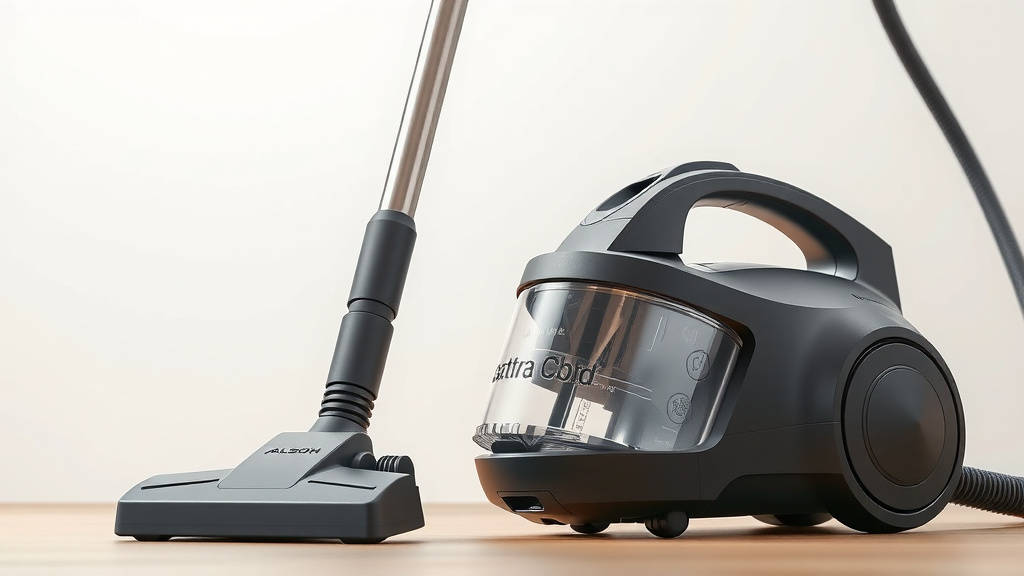
Most household vacuum cleaners run on 120 volts in the United States. This is the standard household electrical power available from your wall outlets. Some high-powered commercial vacuums or specialized models might use different voltages, but your typical stick vacuum or upright cleaner is designed for this common voltage.
It’s good to know your vacuum’s power needs, especially if you’re considering buying a new one or using one in a different country. Understanding the voltage requirements helps ensure safe and efficient operation. We found that most vacuums don’t require special outlets.
- Vacuums generally use 120 volts in the US.
- This matches your home’s standard outlet power.
- Check the label for specific voltage needs.
- Using the correct voltage keeps your vacuum safe.
Let’s get into the details about vacuum cleaner voltage and what you need to know to keep your cleaning sessions running smoothly.
Understanding Your Vacuum’s Voltage Needs
Most standard household vacuum cleaners are designed to run on 120 volts. This is the common power supply found in outlets throughout your home in the United States. So, if you’re plugging your everyday vacuum into a wall socket, it’s almost certainly operating at this voltage. It’s a simple setup that ensures compatibility with your home’s electrical system.
The Standard Electrical Outlet Explained
Think of your home’s electrical outlets as the power source for your vacuum. In the U.S., these outlets typically deliver 120 volts. This standardized voltage makes it easy for manufacturers to create appliances that work anywhere. You don’t usually need a special outlet for your vacuum cleaner. It’s designed to be plugged in and used without any fuss.
Why Voltage Matters for Your Vacuum
Voltage is essentially the electrical pressure that drives the power through your vacuum. Using the correct voltage ensures your vacuum runs efficiently and safely. If a vacuum were designed for a lower voltage and you tried to power it with a higher one, it could overheat or get damaged. Conversely, if it’s designed for higher voltage and you use a lower one, it might not have enough power to operate effectively.
Different Vacuums, Different Voltages?
While 120 volts is the norm for home use, there are exceptions. Some specialized or industrial-grade vacuums might require different power setups. It’s always a good idea to check your vacuum’s specific requirements. This ensures you’re using it correctly and avoiding potential issues.
Corded Vacuums: The Usual Suspects
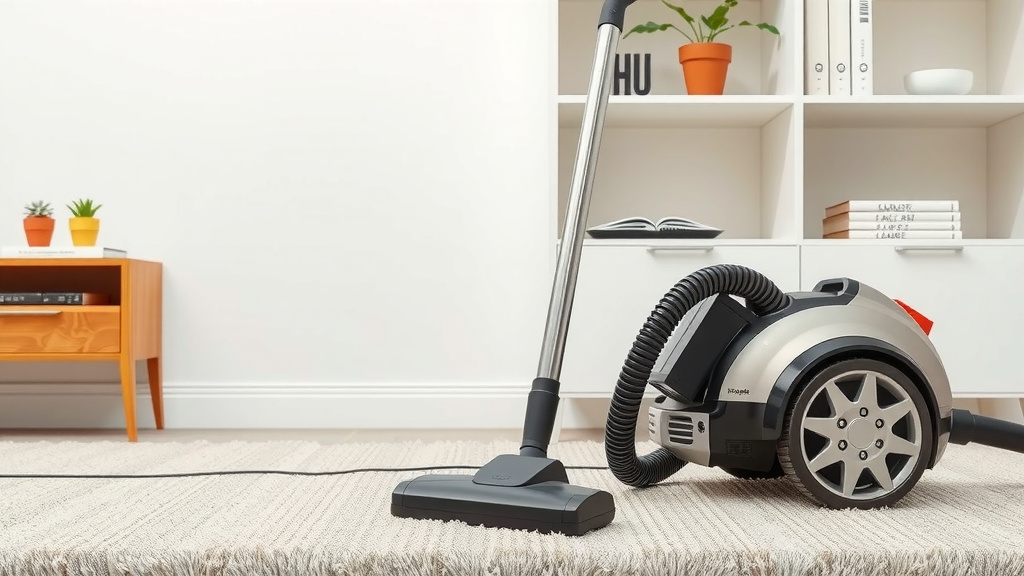
The vast majority of corded vacuums you’ll find in a typical home run on 120 volts. This includes popular styles like upright vacuums, canister vacuums, and even some of the more powerful shop vacs. They are built with this standard voltage in mind. You simply plug them into any regular wall outlet and get to cleaning.
Cordless and Battery-Powered Vacuums
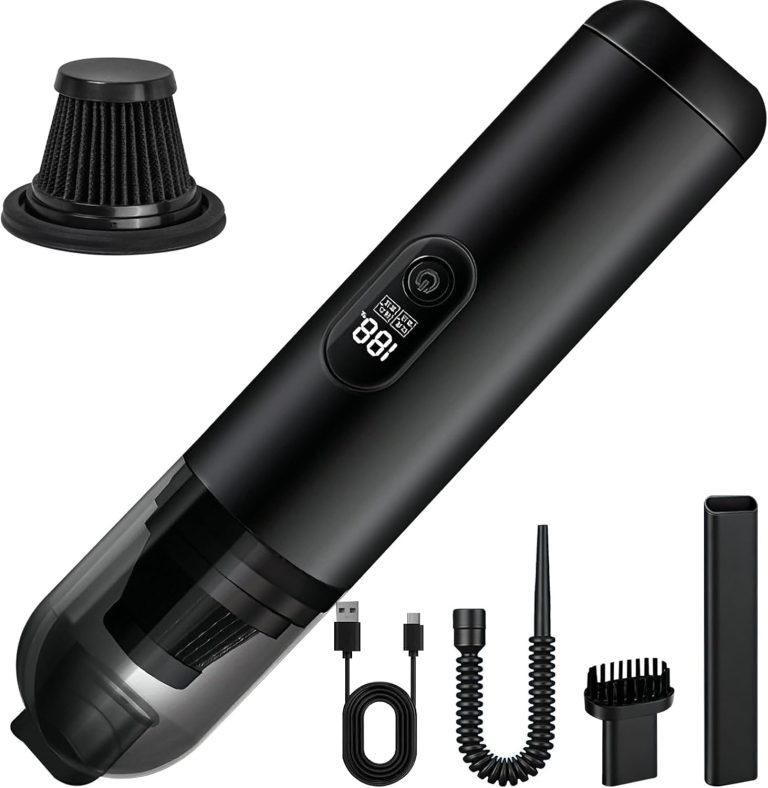
Cordless vacuums operate differently. Instead of drawing power directly from the wall, they use rechargeable batteries. These batteries store a specific amount of electrical charge, often measured in volts. The voltage of the battery pack can vary greatly depending on the vacuum’s power and intended use. You might see batteries ranging from 12 volts to 36 volts or even higher for some models.
When you charge a cordless vacuum, you plug its charger into a standard 120-volt outlet. The charger then converts that household voltage into the specific voltage your vacuum’s battery needs. So, while the vacuum itself runs on battery power, its charging system still relies on your home’s standard electrical supply.
Commercial and Industrial Vacuums
For heavy-duty cleaning, like in workshops or commercial buildings, you might encounter vacuums that use higher voltages. Some powerful industrial vacuums might require 240 volts. This is a voltage that requires a different type of outlet, often found in dedicated workshop spaces or specific commercial installations. These are less common in standard homes.
These higher voltage vacuums are designed for demanding tasks. They offer more suction power and can handle larger debris. However, they also come with specific safety requirements and may need professional installation for their power supply. Most home users won’t run into these types of vacuums.
Where to Find Your Vacuum’s Voltage Information
So, how do you know for sure what voltage your vacuum uses? The answer is usually right on the vacuum cleaner itself. Manufacturers are required to list this information clearly.
Checking the Vacuum’s Label
You’ll typically find a small sticker or plate on the vacuum. This label is usually located on the bottom, the back, or sometimes on the body of the vacuum. It will list important specifications like the model number, serial number, wattage, and, importantly, the voltage (V) and frequency (Hz) it requires.
For vacuums sold in the U.S., you’ll almost always see 120V and 60Hz. If you see 240V, it’s likely a specialized unit. If you’re unsure, take a moment to look for this label. It’s the most reliable source of information for your specific model.
Consulting Your User Manual
Did you keep the manual that came with your vacuum? If so, that’s another excellent place to find voltage details. The user manual will have a specifications section that clearly outlines the power requirements for your appliance. Many manuals are also available online if you’ve misplaced your physical copy.
We found that searching online for “[Your Vacuum Brand] [Your Vacuum Model] manual” is often the quickest way to locate a digital version. This can save you time flipping through pages if you’re in a hurry to check the specs.
Using Your Vacuum Safely and Effectively
Understanding your vacuum’s voltage needs is more than just a technical detail; it’s key to safe operation. Using the correct power source prevents damage to the vacuum and, more importantly, helps prevent electrical hazards in your home.
Avoiding Power Surges and Damage
Plugging a 120-volt vacuum into a 120-volt outlet is the standard and safest practice. Using adapters to force a vacuum into an incompatible outlet is generally not recommended. It can create electrical resistance, potentially leading to overheating or fire hazards (U.S. Fire Administration). Always match the vacuum’s needs to the power source.
When to Seek Professional Help
If you’re looking at a vacuum that requires 240 volts or have any doubts about your home’s wiring, it’s best to consult a qualified electrician. They can assess your home’s electrical system and ensure it can safely support the appliance. This is especially true if you’re considering an industrial vacuum for home use.
A Quick Checklist for Vacuum Voltage
- Check the label: Look for voltage (V) on the vacuum itself.
- Review the manual: Specifications usually detail power requirements.
- Standard U.S. outlets: Expect 120 volts for most home vacuums.
- Cordless charging: Chargers use 120V, but the battery has its own voltage.
- Higher voltages: 240V is for specialized or industrial units.
- When in doubt: Consult an electrician for any wiring concerns.
Knowing your vacuum’s voltage requirements is a simple step. It ensures your appliance works as intended and keeps your home safe during cleaning. Happy vacuuming!
Conclusion
You’ve learned that most household vacuums run on a familiar 120 volts, making them compatible with your standard wall outlets. We’ve seen that while cordless models have their own battery voltages, their chargers still plug into that 120-volt supply. For the rare heavy-duty or industrial vacuums, you might encounter 240 volts, which often requires a special outlet. Always remember to check the label or your manual for your vacuum’s specific needs. Your next step is simple: take a quick look at your vacuum cleaner’s label to confirm its voltage. This small check ensures safe operation and keeps your cleaning sessions worry-free.
Frequently Asked Questions
Can I use a vacuum cleaner from Europe in the US?
Generally, no. European vacuums typically run on 220-240 volts, while U.S. outlets provide 120 volts. Plugging a European vacuum into a U.S. outlet without a voltage converter could damage the vacuum or create a fire hazard. Always check the voltage requirements.
What happens if I plug my 120-volt vacuum into a 240-volt outlet?
Plugging a 120-volt vacuum into a 240-volt outlet can cause immediate and severe damage to the motor and electronics. It will likely overheat, burn out, and could even pose a fire risk. Always ensure your vacuum’s voltage matches the outlet’s voltage.
Do shop vacs use a different voltage than home vacuums?
Most standard shop vacs designed for home use still operate on 120 volts, just like regular household vacuums. However, some heavy-duty or industrial-grade shop vacs, especially those with higher power ratings, might require a 240-volt outlet for more demanding tasks.
How can I tell if my home has 240-volt outlets?
240-volt outlets look different from standard 120-volt outlets; they have more slots and prongs. You’ll often find them near your clothes dryer, electric stove, or in a workshop. If you are unsure about your home’s wiring, it’s always best to consult a qualified electrician.
Does the wattage of a vacuum relate to its voltage?
Yes, wattage is a measure of power consumption, calculated by multiplying voltage by amperage (Watts = Volts x Amps). While voltage is the electrical pressure, wattage tells you how much power the vacuum uses. Higher wattage vacuums are generally more powerful. You’ll find both voltage and wattage listed on your vacuum’s label.



![7 Best Hepa Vacuum For Pet Dander [2026]](https://bathroomexplorer.com/wp-content/uploads/2026/06/7-best-hepa-vacuum-for-pet-dander-2026-featured-768x432.jpg)