
How Many Watts for a Vacuum Cleaner? Your 2026 Guide
When looking for a vacuum cleaner, you’ll often see wattage listed. But how many watts do you actually need for a good vacuum cleaner? For most homes, a vacuum cleaner between 1200 to 1800 watts offers a great balance of power and efficiency.
Higher wattage can mean more suction power, which is helpful for deep cleaning carpets or picking up stubborn debris. However, very high wattage might mean higher energy bills. We found that most standard vacuums fall within this range and do a fantastic job. It’s less about the number and more about how the vacuum uses its power.
- Most vacuums are between 1200-1800 watts.
- This range is good for home cleaning.
- Higher watts can mean more suction.
- Consider energy use too.
- Check reviews for real-world performance.
Let’s get into the details so you can pick the perfect vacuum for your cleaning needs.
Understanding Vacuum Cleaner Wattage
You’re looking at vacuum cleaners and see all sorts of numbers. Wattage is one of them. But what does it really tell you about your vacuum’s cleaning power? In simple terms, wattage measures how much electrical power a vacuum cleaner uses. Think of it like the engine size in a car. A bigger engine usually means more power, but it can also mean more fuel consumption. For vacuums, higher wattage can suggest a stronger motor and potentially more suction. But is more always better? Let’s break it down.
What Wattage Means for Suction Power
Higher wattage doesn’t always directly translate to better suction. It’s more about how efficiently the vacuum uses that power. Many factors contribute to a vacuum’s suction, including motor design, airflow, and the sealing of the machine. Some vacuums are engineered to be very efficient. They can achieve strong suction with a lower wattage. Conversely, a high-wattage vacuum might be less efficient and not perform as well.
Wattage vs. Airflow (CFM)
To really understand suction, you need to look beyond just wattage. Another key metric is airflow, often measured in Cubic Feet per Minute (CFM). This tells you how much air the vacuum can move. Think of it like your lungs. Wattage is the energy your body uses, while CFM is how much air you can actually inhale and exhale. A vacuum with high CFM can lift more debris and dirt from your floors. Many experts agree that CFM is a more reliable indicator of cleaning performance than wattage alone (Consumer Reports).
Understanding Amperage (Amps)
You might also see amperage (amps) listed for vacuum cleaners. In the US, most household outlets provide 120 volts. Wattage is calculated by multiplying volts by amps (Watts = Volts x Amps). So, if a vacuum is rated at 12 amps, and your home’s voltage is 120 volts, it’s using about 1440 watts (12 amps x 120 volts). This means amperage can also give you a clue about the power consumption. High amperage vacuums are often more powerful, but again, efficiency matters.
Recommended Wattage Ranges for Your Home
So, what’s the sweet spot for your cleaning needs? For general household use, a range of 1200 to 1800 watts is usually sufficient. This range provides enough power for most common cleaning tasks. It balances strong performance with reasonable energy use. You’ll find a wide variety of vacuums in this category, from stick vacuums to uprights and canisters.
What about HEPA filters?
If you or someone in your home suffers from allergies or asthma, you might be looking at vacuums with HEPA filters. These filters are designed to capture tiny particles like dust mites and pollen. The wattage of the vacuum doesn’t directly affect the filter’s effectiveness. What’s more important is that the vacuum is well-sealed so that air can’t escape around the filter. A good HEPA vacuum will trap at least 99.97% of particles 0.3 microns in size.
Lower Wattage Vacuums: Are They Enough?
Can a vacuum with less than 1200 watts still do a good job? For quick cleanups or homes with mostly hard floors and minimal debris, a lower wattage vacuum might be perfectly fine. Think of it for light duty tasks. These vacuums are often more energy-efficient and can be lighter and easier to handle. They are great for smaller spaces or for maintaining cleanliness between deeper cleans. However, if you have thick carpets or pets that shed a lot, you might find them a bit underpowered for tougher jobs.
High Wattage Vacuums: When Do You Need Them?
Do you need a vacuum that’s pushing 2000 watts or more? These high-wattage models are typically designed for heavy-duty cleaning. They can be beneficial if you have very high-pile carpets that need deep cleaning or if you frequently deal with stubborn debris like construction dust or large amounts of pet hair. However, be prepared for potentially higher electricity bills. Many experts suggest that a well-designed vacuum in the 1200-1800 watt range will likely meet the needs of most households.
Beyond Wattage: Other Factors to Consider
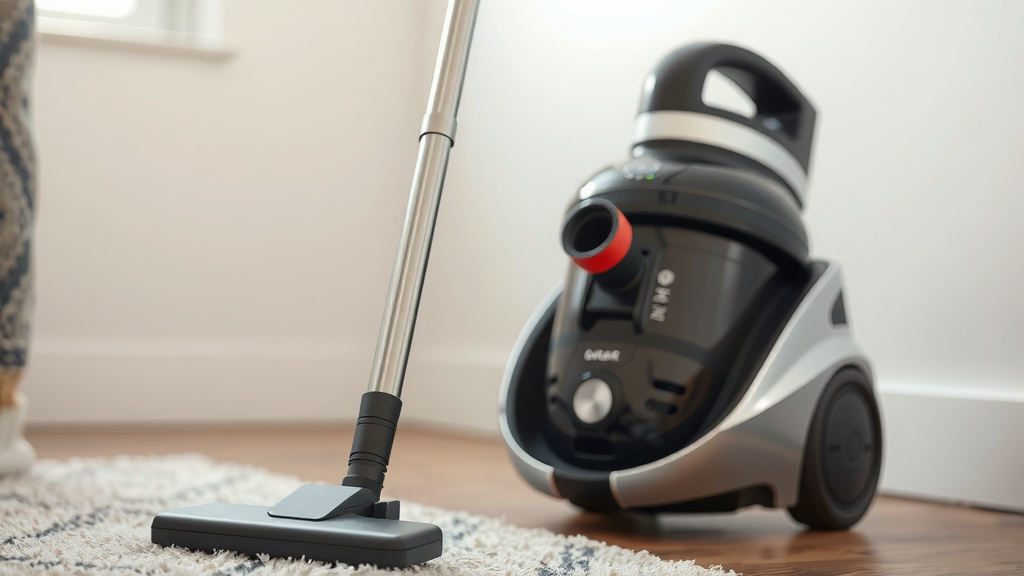
Wattage is just one piece of the puzzle when choosing a vacuum. You should also think about the type of vacuum, the floor surfaces you have, and any special cleaning needs.
Type of Vacuum Cleaner
Different types of vacuums are suited for different tasks.
- Upright vacuums are classic choices for carpeted homes.
- Canister vacuums offer versatility with attachments and are often good for both carpet and hard floors.
- Stick vacuums are lightweight and great for quick cleanups and smaller spaces.
- Robot vacuums offer convenience but may not provide the deep clean of a traditional vacuum.
Your Floor Types
Do you have plush carpets, delicate hardwood floors, or a mix of both? Some vacuums have adjustable height settings or specialized brush rolls that protect different floor types. A vacuum with adjustable suction power can also be a lifesaver. You want a vacuum that can tackle your carpets but also be gentle on your wood or tile. This flexibility is often more important than raw wattage.
Special Cleaning Needs
If you have pets, you’ll want a vacuum with strong suction and good brush agitation to pick up pet hair. If you have allergies, a HEPA filter is a must. Consider if you need a vacuum that can handle wet spills or reach difficult areas. These features often come down to the vacuum’s design and included accessories, not just its wattage. Always check the specific features that address your unique household challenges.
Making the Right Choice for Your Home
So, how do you put all this together? It’s about finding a balance. A vacuum that’s too low in wattage might leave you frustrated. One that’s excessively high could be wasting energy. The sweet spot we found is typically between 1200 and 1800 watts for most homes. But remember, this isn’t a hard and fast rule. Always read reviews and look for real-world performance tests. Manufacturers often list CFM or other performance metrics that can be just as telling, if not more so, than wattage alone.
Your Vacuum Shopping Checklist:
Before you click “buy,” run through this quick checklist:
- Does the wattage fall within the 1200-1800 range (or are there other strong indicators of power)?
- What is the CFM rating, if available?
- Is it designed for your primary floor types (carpet, hard floors, etc.)?
- Does it have features for specific needs like pet hair or allergies?
- Have you checked recent, user reviews for real-world performance?
- Is the vacuum from a reputable brand known for durability?
By considering these points, you’re well on your way to finding a vacuum that will make cleaning feel less like a chore and more like a simple task. You’ve got this!
Conclusion
You’ve learned that wattage is just one part of the vacuum cleaner story. While a range of 1200 to 1800 watts generally offers a solid balance for most homes, it’s not the only factor. Efficiency, airflow (CFM), your specific floor types, and even features for pet hair or allergies play a big role. Don’t get caught up on just the numbers. Focus on what your home needs for a truly effective clean.
Your next step? Use the checklist we provided and read user reviews. This will help you pinpoint the vacuum that’s the perfect fit for your cleaning routine and your home’s unique challenges. Happy cleaning!
Frequently Asked Questions
Is a 1000-watt vacuum cleaner good enough?
For lighter cleaning tasks or homes with mostly hard floors, a 1000-watt vacuum might be sufficient. These vacuums are often more energy-efficient and easier to handle. However, if you have thick carpets or significant pet hair, you might find it lacks the power for deep cleaning.
Does wattage affect how loud a vacuum is?
While higher wattage can sometimes correlate with a louder motor, it’s not a direct relationship. Vacuum cleaner noise levels also depend heavily on the design of the motor, the airflow system, and the quality of sound insulation. Some lower-wattage vacuums can still be quite noisy, and vice versa.
Can I use a high-wattage vacuum on delicate floors?
Yes, you can, but you need to be careful. High-wattage vacuums often have strong suction, which can be too aggressive for delicate floors like hardwood or certain types of laminate. Look for vacuums with adjustable suction settings or specialized brush rolls that won’t scratch or damage your floors.
Are vacuums with lower wattage always more energy-efficient?
Generally, yes. Vacuums with lower wattage consume less electricity, leading to lower energy bills. However, a very high-wattage vacuum that is exceptionally efficient in its design might sometimes perform better than a poorly designed lower-wattage model, though this is less common.
How does CFM relate to vacuum wattage?
Wattage measures electrical power consumption, while CFM (Cubic Feet per Minute) measures how much air the vacuum can move. A vacuum needs a certain amount of wattage to generate the power for airflow. However, a vacuum with excellent engineering can achieve high CFM with moderate wattage, making CFM a better indicator of cleaning performance than wattage alone.

![7 Best Cheap Vacuum For Pets [2026]](https://bathroomexplorer.com/wp-content/uploads/2026/05/7-best-cheap-vacuum-for-pets-2026-featured-768x432.jpg)
![7 Best Handheld Vacuum Cleaner For Carpeted Stairs [2026]](https://bathroomexplorer.com/wp-content/uploads/2026/05/7-best-handheld-vacuum-cleaner-for-carpeted-stairs-2026-featured-768x432.jpg)
![7 Best Cheap Vacuum For Apartment [2026]](https://bathroomexplorer.com/wp-content/uploads/2026/05/7-best-cheap-vacuum-for-apartment-2026-featured-768x432.jpg)