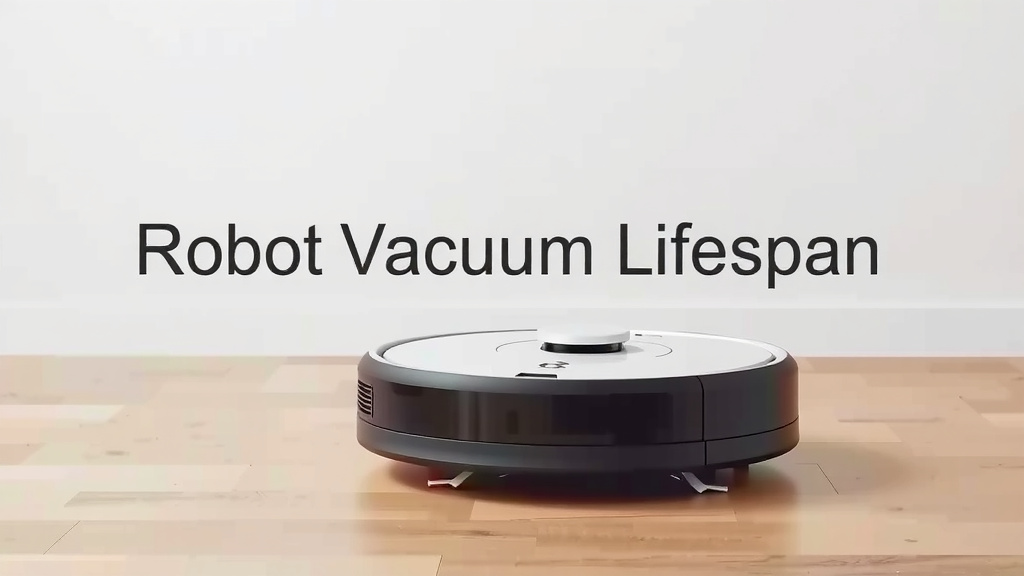
Robot Vacuum Lifespan How Many Years They Last
You’re probably wondering how long your trusty robot vacuum will keep cleaning your floors. Most robot vacuums last between 3 to 6 years, though some can go even longer with proper care. This lifespan depends on many factors, including usage and maintenance.
While a robot vacuum can be a huge time-saver, it’s an investment you want to last. Understanding its typical lifespan and what impacts it will help you get the most out of your cleaning companion. We’ve looked into what experts and users say about robot vacuum longevity.
- Robot vacuums typically last 3-6 years.
- Usage and maintenance are key factors.
- Battery life is often the first thing to degrade.
- Higher-end models may offer longer lifespans.
- Regular cleaning extends your robot’s life.
Let’s walk through everything you need to know about robot vacuum lifespans and how to make yours last as long as possible.
How Long Can You Expect Your Robot Vacuum to Last?
You’ve invested in a smart cleaning companion, and you naturally want to know its lifespan. We found that most robot vacuums are designed to last between 3 to 6 years. This is a general guideline, and many factors can influence how long your specific robot vacuum will perform optimally.
Think of it like a car. While the average car might last a decade, how you drive it, how often you maintain it, and the model you choose all play a role in its longevity. Your robot vacuum is no different. We’ll break down what makes these gadgets tick and how to keep them running smoothly for as long as possible.
The Battery: Often the First to Show Its Age
One of the most common reasons a robot vacuum might start to falter is its battery. Robot vacuum batteries are typically rechargeable lithium-ion or NiMH types. Like the battery in your phone or laptop, these batteries degrade over time with regular use and charging cycles.
You might notice your robot vacuum no longer lasts as long on a single charge. It might return to its dock more frequently to recharge, even when it hasn’t finished its cleaning cycle. This is a clear sign the battery is losing its capacity. Many experts say a battery’s performance can degrade noticeably after about 2-3 years of consistent use.
Understanding Battery Degradation
This degradation isn’t a defect; it’s a natural process for rechargeable batteries. Heat, deep discharges, and the sheer number of charge cycles contribute to this wear and tear. Over time, the battery simply can’t hold as much of a charge as it did when it was new.
If your robot vacuum’s battery life has significantly decreased, you might be able to replace the battery. Many manufacturers offer replacement battery packs. This can often give your robot a new lease on life and extend its overall usability by several more years, saving you from buying a whole new unit.
Signs Your Battery Needs Replacing
- The robot doesn’t complete a full cleaning cycle.
- It frequently returns to the dock to recharge mid-clean.
- The battery indicator light shows it’s full, but performance is still poor.
- The robot seems weaker, with less suction power (though this can also indicate other issues).
Wear and Tear: The Mechanical Side of Things
Beyond the battery, the mechanical components of your robot vacuum can also experience wear and tear. These little robots have motors, brushes, wheels, and sensors that all work together to navigate and clean your home.
The brushes, especially the main roller brush and side brushes, are constantly in motion and come into contact with dirt, debris, and sometimes even stray cables or larger objects. Over time, these parts can become worn, clogged, or damaged.
Common Wear Parts and Their Lifespans
The roller brushes are designed to be replaceable. Depending on your home’s floor type and how much debris your robot picks up, you might need to replace these every 6 to 12 months. If you have pets or lots of high-traffic areas, this replacement schedule might be more frequent.
Side brushes, which sweep debris from edges and corners, also wear down. They are usually less expensive and easier to replace than roller brushes. You might find yourself swapping these out every 6 to 12 months as well. Their job is to agitate dirt, and they can fray or break over time.
The Importance of Maintenance
Regular cleaning of these parts is essential for longevity. Pet hair, human hair, and dirt can get tangled around brushes and in the brush housing, which can strain the motor and reduce cleaning efficiency. It’s a good habit to check and clean these components weekly.
Additionally, the wheels and their bearings can accumulate dirt and debris. Keeping these clean and free from obstructions will ensure smooth movement and prevent unnecessary stress on the drive motors.
Sensors and Navigation: The Robot’s Brain
Robot vacuums rely heavily on sensors to navigate your home, avoid obstacles, and detect drops like stairs. These sensors include things like cliff sensors, bumper sensors, and sometimes even navigation cameras or lidar units.
While these electronic components are generally durable, they can still be affected by impacts or dirt buildup. A bump against furniture, especially if frequent or forceful, could potentially dislodge a sensor or damage its housing over time.
Keeping Sensors Clean
Just like the brushes, sensors need to be kept clean. Dust and grime can obscure their view, leading to navigation errors. Your robot might start bumping into walls more often, get stuck in places it shouldn’t, or fail to detect stairs, which is a safety hazard (Cleveland Clinic).
Most manufacturers recommend wiping down sensors with a dry or slightly damp microfiber cloth regularly. This simple step can prevent a lot of frustration and ensure your robot can navigate your home effectively for years to come. Always check your user manual for specific cleaning instructions for your model.
Usage Frequency and Cleaning Habits
How often you use your robot vacuum plays a direct role in how quickly its components wear out. A robot used for a quick daily clean in a small apartment will likely last longer than one running multiple times a day in a large, busy household with pets and kids.
Let’s look at how different usage patterns can affect your robot vacuum’s lifespan:
| Usage Pattern | Expected Wear | Lifespan Impact |
|---|---|---|
| Daily use in a small, low-traffic home | Minimal wear on brushes, battery, and motors | Likely to reach the higher end of the 3-6 year range, or even longer |
| Several times a week in a medium-sized home | Moderate wear | Expected lifespan within the 3-6 year range |
| Daily heavy use in a large home with pets and kids | Significant wear on all components | May be closer to the lower end of the 3-6 year range, or require battery/brush replacement sooner |
The Impact of Your Home Environment
Beyond just frequency, the type of debris your robot vacuum tackles matters. Homes with a lot of fine dust, pet hair, or larger particles will put more strain on the motors and filters. Rugs and carpets also cause more wear than hard floors because the brushes have to work harder to agitate and pick up debris.
If your floors are particularly challenging, consider if your robot vacuum is the right tool for every job. Using it for its intended purpose and perhaps supplementing with a traditional vacuum for deep cleans or very dirty areas can help preserve its components.
Quality of the Robot Vacuum Itself
Not all robot vacuums are created equal. We found that higher-end models often use more robust materials and have more sophisticated engineering, which can contribute to a longer lifespan. These models might feature stronger motors, more durable brush designs, and better-quality batteries.
Cheaper, entry-level models might cut corners on material quality or motor strength to keep costs down. While they can be great for simple cleaning tasks, their components might wear out faster under heavy use. If you’re looking for a workhorse that will last, investing a bit more upfront might be worthwhile.
Brand Reputation and Support
Some brands have a reputation for producing durable products and offering good customer support and readily available replacement parts. When choosing a robot vacuum, researching the brand’s track record for longevity and their availability of spare parts can be a smart move. Having access to replacement parts means you can fix minor issues rather than replacing the whole unit.
Making Your Robot Vacuum Last: A Quick Checklist
Want to give your cleaning buddy the best chance at a long and productive life? Here’s a simple checklist to help you out:
- Clean the brushes and filters weekly.
- Wipe down sensors regularly.
- Empty the dustbin after each use.
- Check for and remove tangled hair or debris.
- Use the robot for its intended cleaning needs.
- Consider replacing the battery when performance drops.
Conclusion
Your robot vacuum is designed to be a hardworking helper, typically lasting between 3 to 6 years with good care. We’ve seen that battery health and component wear are the main factors influencing its lifespan. But you have a lot of control over this! By performing regular, simple maintenance—like cleaning brushes and sensors—you can significantly extend your robot’s effective cleaning life. If you notice performance dips, consider a battery replacement before thinking about a new unit. Keep up with these practices, and your robot vacuum can continue to keep your floors clean for years to come.
Frequently Asked Questions
How often should I replace my robot vacuum’s battery?
You’ll likely need to replace the battery after about 2-3 years of consistent use if you notice a significant drop in cleaning time or performance. Many manufacturers offer replacement batteries that can give your robot vacuum a new lease on life.
Can I fix my robot vacuum if a part breaks, or do I have to buy a new one?
Often, you can fix minor issues. Replacing worn-out parts like brushes, filters, or even the battery is usually possible. Check your user manual or the manufacturer’s website for available replacement parts and repair guides.
Does using my robot vacuum daily shorten its life?
Daily use will naturally lead to more wear and tear than less frequent use. However, with regular maintenance, even a daily-used robot vacuum can reach its typical lifespan of 3-6 years or more. The key is consistent care.
Will a more expensive robot vacuum last longer?
Generally, higher-end models may use more durable materials and better engineering, potentially leading to a longer lifespan. They might offer stronger motors and more robust components that can withstand more use.
What’s the most important maintenance task to make my robot vacuum last?
Regularly cleaning the main brushes, side brushes, and filters is the most critical maintenance task. Removing tangled hair, dirt, and debris prevents strain on the motor and ensures efficient cleaning, directly contributing to your robot’s longevity.