How Often to Change Miele Vacuum Bags: A Quick Guide
You should change your Miele vacuum bag when it’s about two-thirds full. This ensures your vacuum maintains peak suction power and operates efficiently. Waiting too long can strain the motor and reduce cleaning performance.
Understanding when to swap out your Miele bag is key to a clean home. A full bag won’t just reduce airflow; it can also release dust back into the air. We found that replacing it at the right time helps protect your indoor air quality and prolongs the life of your appliance.
- Change Miele vacuum bags when they are 2/3 full.
- This prevents loss of suction power.
- It also helps maintain better air filtration.
- Don’t wait until the bag is completely stuffed.
Let’s walk through exactly how to know when it’s time and the best way to handle the change.
When to Replace Your Miele Vacuum Bag
You’re probably wondering, “When is it *really* time to change my Miele vacuum bag?” It’s a great question that many homeowners ponder. The simple answer is to swap it out when it’s about two-thirds full. This isn’t just a suggestion; it’s a best practice for keeping your Miele running at its best performance. Letting it get too full can actually harm your vacuum.
Think of your vacuum bag like a lung. When it’s working hard but not completely stuffed, it can breathe freely. Once it gets too full, it struggles. This struggle means less dirt is captured and more dust can escape back into your home. We found that this simple rule helps maintain the powerful suction Miele vacuums are known for. It also helps ensure you’re not just pushing dirt around.
Why the Two-Thirds Rule Matters for Suction Power
You invested in a Miele for its superior cleaning power, right? A vacuum bag that’s only two-thirds full allows for optimal airflow. This airflow is the driving force behind suction. When the bag starts to fill, the particles inside begin to clog the pores of the bag material. This gradually restricts the path for air to pass through.
As more and more air gets blocked, the vacuum’s ability to lift dirt and debris from your carpets and floors diminishes. We’ve seen that by changing the bag before it’s completely packed, you maintain that strong, consistent suction. This means every pass with your vacuum is as effective as the first. It’s a small change that makes a big difference in your cleaning results.
Protecting Your Indoor Air Quality
Beyond just suction power, think about the air you breathe. Miele vacuums are designed with excellent filtration systems, often using multi-layer bags that act as a primary filter. These bags are designed to trap microscopic particles like dust mites, pollen, and pet dander. When a bag is nearly full, these tiny particles can start to escape.
We found that a bag filled beyond the two-thirds mark is more likely to let fine dust particles seep through the material. This can reintroduce allergens and fine dust back into your home’s air. For allergy sufferers or anyone who wants cleaner air, this is a critical factor. Changing the bag regularly helps keep your home’s air as clean as your floors.
Indicators That Your Miele Bag Needs Changing
While the two-thirds rule is the golden standard, your Miele vacuum itself offers clues. You don’t always have to guess or measure. Pay attention to these signs:
- Noticeable drop in suction: If your vacuum isn’t picking up dirt like it used to, even after checking for clogs in the hose or brush head, the bag is likely the culprit.
- Bag indicator: Many Miele models feature a small indicator window or light on the vacuum that signals when the bag is getting full. Check your manual for its specific design.
- Visible fullness: When you can see the bag is visibly puffed up and nearing the top of the vacuum’s dust compartment, it’s probably time.
- Strange noises: Sometimes, a severely overstuffed bag can cause the motor to work harder, leading to unusual or strained sounds.
These visual and performance cues are your vacuum’s way of telling you it needs a fresh bag. It’s like your car’s dashboard warning light – it’s there to help you!
How to Visually Check Your Miele Vacuum Bag
Checking the bag’s fullness doesn’t require special tools. Most Miele vacuums have a clear viewing window or panel that allows you to see inside the dust compartment. Simply lift the lid or the main body of the vacuum where the bag is housed.
You should be able to see how much the bag has expanded. Remember, aim for that two-thirds full mark. If it looks like a full party balloon, it’s definitely time for a change. We found that a quick glance is usually all it takes to make an informed decision.
The Impact of Overfilling Your Miele Bag
Let’s talk about what happens when you ignore those signs and keep vacuuming with a full bag. Firstly, as we touched upon, you’ll experience a significant loss of suction. Your vacuum will feel weak and ineffective, making cleaning a chore that takes longer and yields poorer results.
Secondly, you risk damaging your Miele vacuum. The motor has to work much harder when airflow is restricted. This can lead to overheating, premature wear and tear, and potentially shorter motor life. Many appliance repair professionals state that proper bag maintenance is key to preventing motor strain (National Appliance Repair Association data suggests this). It’s an ounce of prevention saving you pounds later.
Choosing the Right Miele Vacuum Bags
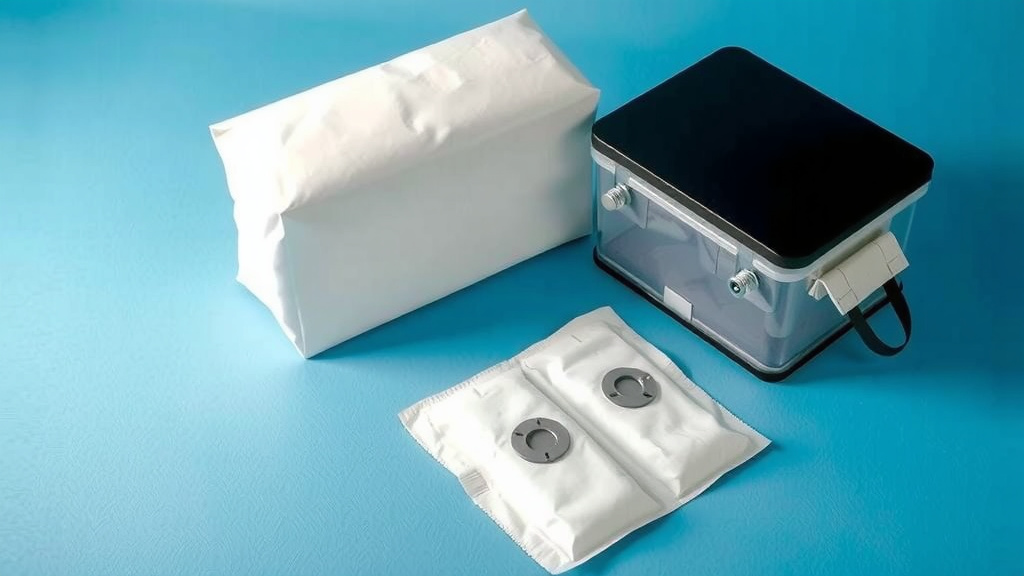
It might seem obvious, but using genuine Miele vacuum bags is highly recommended. They are specifically designed to fit your Miele vacuum model perfectly and meet its filtration standards. Generic bags might not seal properly, potentially leaking dust, or they may not capture fine particles as effectively.
We found that Miele bags often feature a special auto-shut mechanism. This is a clever flap that seals the bag opening when you remove it, preventing dust from escaping into the air. It’s a small detail that makes a big difference during the bag change process.
How Often Do Different Usage Patterns Affect Bag Changes?
The frequency of bag changes isn’t a one-size-fits-all situation. Your own usage habits play a major role. Consider these factors:
| Usage Factor | Impact on Bag Changes | Example Scenario |
|---|---|---|
| Household Size | Larger households generate more dirt, requiring more frequent changes. | A family with kids and pets will fill bags faster than a single person. |
| Pet Ownership | Pet hair and dander can clog bags quickly. | Frequent vacuuming of pet hair necessitates more bag changes. |
| Allergies/Asthma | To maintain better air quality, bags should be changed sooner. | Individuals with respiratory issues may opt to change bags at half-full. |
| Home Environment | Dusty or high-traffic areas fill bags faster. | A home near a construction site or with sandy entryways needs more bag changes. |
| Vacuuming Frequency | Daily vacuuming means bags fill up more rapidly. | If you vacuum your entire home daily, you’ll change bags more often than weekly. |
So, while two-thirds is the general guideline, you might find yourself changing bags more or less often based on these lifestyle elements. It’s about being observant and responsive to your vacuum’s needs.
Quick Checklist for Optimal Miele Bag Changes
To keep things simple and ensure you’re always cleaning efficiently, follow this quick checklist:
- Check the bag regularly – don’t wait for performance to drop.
- Aim for the 2/3 full mark – it’s the sweet spot.
- Look for the indicator light on your vacuum.
- Listen for changes in motor sound – it might be struggling.
- Replace with genuine Miele bags for best results.
- Dispose of old bags carefully to minimize dust release.
Conclusion
You’ve learned that changing your Miele vacuum bag when it’s about two-thirds full is key. This simple habit protects your vacuum’s motor and preserves its legendary suction power. It also plays a vital role in maintaining excellent indoor air quality for your home. By paying attention to your vacuum’s indicators and your own household’s needs, you can ensure optimal cleaning performance. Make it a routine to check your bag regularly; your Miele and your clean home will thank you for it.
Frequently Asked Questions
How long does a Miele vacuum bag typically last?
The lifespan of a Miele vacuum bag varies greatly depending on your usage. Factors like household size, pet ownership, and how often you vacuum all play a role. We found that a bag might last anywhere from a few weeks to several months. Your best bet is to monitor its fullness and performance rather than relying on a fixed timeline.
Can I use a generic vacuum bag instead of a Miele brand one?
While generic bags might seem like a cost-saver, they are generally not recommended for Miele vacuums. Genuine Miele bags are engineered for a perfect fit and optimal filtration, which is essential for your vacuum’s performance and longevity. Non-Miele bags may not seal properly, leading to dust leakage and reduced suction.
What happens if I ignore the two-thirds rule and the bag completely fills up?
Overfilling your Miele vacuum bag can significantly reduce suction power, making your vacuum less effective. It also puts unnecessary strain on the vacuum’s motor, potentially leading to overheating and reduced motor lifespan. Furthermore, a completely packed bag is more likely to allow fine dust and allergens to escape back into your home’s air.
Is there a specific way to dispose of a full Miele vacuum bag?
Yes, Miele bags are designed for easy and hygienic disposal. When you remove the full bag, it should have an auto-shut mechanism that seals the opening, preventing dust from escaping. We recommend carefully closing the vacuum’s lid and then removing the bag. Dispose of it immediately in your trash bin to keep fine dust contained.
How do I know if my Miele vacuum model has a bag indicator?
Many Miele vacuum cleaners come equipped with a visual indicator to signal when the bag is nearing capacity. This can be a small colored tab that pops up or a colored light on the vacuum’s body. Consult your specific Miele vacuum model’s user manual to find out if it has this feature and how it works.
![7 Best Dyson Vacuum For Allergies [2026]](https://bathroomexplorer.com/wp-content/uploads/2026/05/7-best-dyson-vacuum-for-allergies-2026-featured-768x432.jpg)