
Robot Vacuum Frequency: How Often Should You Run Yours
Generally, you should run your robot vacuum several times a week, or even daily if you have pets or a busy household. The ideal frequency for running your robot vacuum depends on your specific needs and living situation. For most homes, a good starting point is to aim for 3-5 times per week to maintain a clean floor.
Keeping your floors consistently clean with a robot vacuum can make a big difference. It helps manage dust bunnies and reduces allergens in your home. Many homeowners find that a regular schedule prevents dirt from building up too much. This means less manual cleaning for you.
- Daily cleaning is best for homes with pets or high traffic.
- 3-5 times per week works well for most average households.
- Consider your allergies and the amount of dirt tracked in.
- Robot vacuums excel at maintenance, not deep cleaning.
Let’s walk through how to find the perfect robot vacuuming schedule for your home. We’ll cover what factors to consider and offer some practical tips.
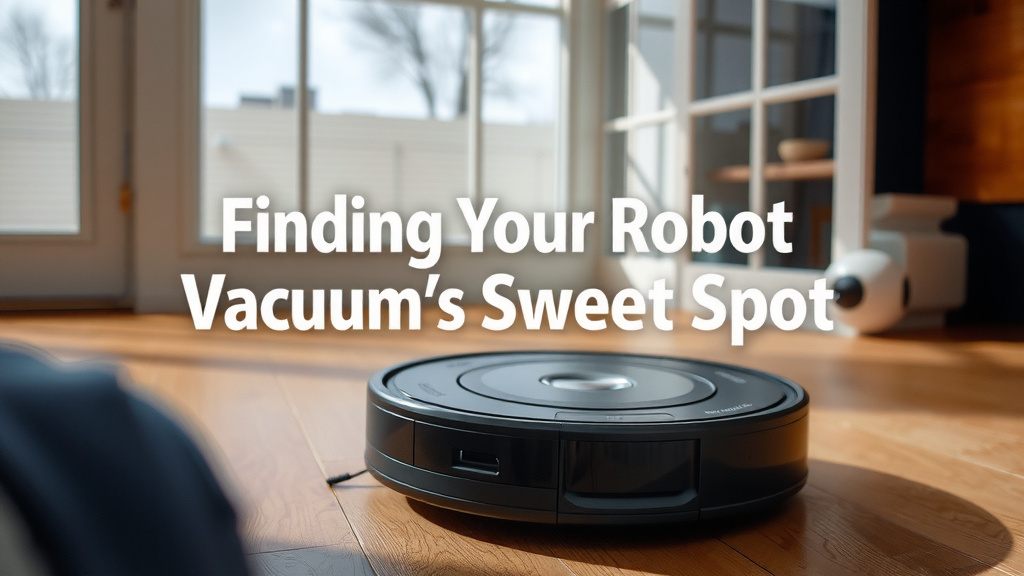
Finding Your Robot Vacuum’s Sweet Spot
So, how often should your trusty robot vacuum hit the floor? For most homes, running it several times a week is a great starting point. Think of it like keeping your car tuned up. A little regular attention prevents bigger problems down the road. This frequency helps maintain a generally clean environment without overwhelming your robot or your schedule.
The Daily Grind: When More is More
There are definitely times when your robot vacuum might need to go into battle mode daily. We’re talking about households where the floor is a constant battleground. If you have pets that shed like they’re auditioning for a fur coat company, a daily run is your best friend. It helps manage the hair before it starts to form tumbleweeds.
High-traffic homes also benefit from daily cleaning. Imagine kids tracking in dirt from the park or guests bringing in their own special brand of dust. Running the robot vacuum every day can significantly reduce the amount of grime that accumulates. This means less work for you and a consistently cleaner home environment.
The “Several Times a Week” Sweet Spot
For the average household, 3-5 times per week is often the magic number. This approach strikes a good balance. It keeps your floors looking good without demanding constant attention from your robot. You can schedule it for specific days, like Monday, Wednesday, and Friday, or let it surprise you with its cleaning adventures.
Consider your lifestyle. Are you home a lot? Do you entertain often? Do you have people who are sensitive to dust? If the answer to any of these is “yes,” you might lean towards the higher end of this range. It’s all about tailoring the schedule to your unique needs.
Factors Influencing Your Robot Vacuum Frequency
Pets and Their Shedding Habits
This is probably the biggest factor for many people. Pets are wonderful, but their shedding can be a relentless challenge. If your furry friends are heavy shedders, you’ll likely find yourself needing daily or almost-daily robot vacuum sessions. This prevents fur from building up in corners and on furniture.
Even if your pet doesn’t shed much, they can still track in dirt and dander. A regular clean can help manage these allergens. We found that consistent cleaning, even on a daily basis, makes a noticeable difference in air quality and the general cleanliness of your home.
Household Traffic and Activity Levels
Think of your floors like a runway. The more people walking on them, the more dirt and debris they’ll accumulate. If your home is often bustling with activity, whether it’s family members, guests, or just a lot of movement, a more frequent schedule is a good idea. This could mean running the robot vacuum every other day or even daily.
On the flip side, if your home is relatively quiet, you might be able to get away with running it just a couple of times a week. It’s about observing your floors and seeing how quickly they get dirty. What looks clean after a week for one person might look like a dust convention for another!
Allergies and Air Quality Concerns
If you or anyone in your household suffers from allergies or asthma, a more frequent robot vacuum schedule is highly recommended. Robot vacuums can effectively pick up dust mites, pollen, pet dander, and other allergens that settle on floors. Running it more often helps to minimize these airborne irritants.
Many experts suggest that frequent vacuuming is key to managing indoor air quality (Environmental Protection Agency). For allergy sufferers, this often translates to more frequent robot vacuum sessions. Some models even come with HEPA filters, which are excellent at trapping very fine particles. Consider investing in one if air quality is a major concern.
Your Robot Vacuum’s Capabilities
Not all robot vacuums are created equal. Some are designed for quick, light cleanups, while others have stronger suction and larger dustbins. If your robot has a smaller dustbin, you’ll likely need to run it more often to prevent it from overflowing. This is especially true if you have pets.
Conversely, a robot with a larger dustbin and more powerful suction might be able to handle a less frequent schedule. It’s worth checking your robot vacuum’s specifications and user manual. It often provides recommendations for optimal performance and maintenance. Understanding your robot’s limits will help you set a realistic schedule.
When Less is More: The Occasional Clean
Are there times when running your robot vacuum just once or twice a week is enough? Absolutely! If you live alone or with just one other person, have no pets, and generally don’t track much dirt into your home, this might be perfectly sufficient. You might be someone who is very mindful of keeping things clean, so less frequent automated help is needed.
This is especially true if you have very little carpet or mostly hard floors that are easy to wipe down. The key is to monitor your floors. If you notice dust accumulating or dirt becoming visible between cleanings, it’s time to increase the frequency. Your robot is a tool; use it when and how it’s most helpful.
Optimizing Your Robot Vacuum Schedule
To get the most out of your robot vacuum, consider these tips for setting and sticking to a schedule:
- Schedule it like any other chore: Many robot vacuums have scheduling features. Set it and forget it!
- Observe your floors: Pay attention to how quickly dirt and debris accumulate. Adjust as needed.
- Empty the dustbin regularly: A full dustbin means a less effective clean. Empty it after each use or every few uses.
- Prepare your space: Pick up small items, cords, and toys. This prevents your robot from getting stuck.
- Consider different zones: You might need to run it more often in high-traffic areas like the kitchen or entryway.
- Don’t expect miracles: Robot vacuums are fantastic for maintenance, but they won’t replace deep cleaning entirely.
Maintenance vs. Deep Cleaning: What’s the Difference?
It’s important to have realistic expectations. Your robot vacuum is a champion of maintenance cleaning. It’s designed to keep your floors looking consistently tidy between more thorough cleanings. Think of it as daily tidying up.
A deep clean, on the other hand, involves more intense cleaning. This might include using a powerful upright vacuum on carpets, scrubbing grout on tile floors, or moving furniture to clean underneath. Your robot vacuum helps reduce the frequency needed for these deeper, more labor-intensive cleans. We found that using a robot vacuum effectively can cut down on manual deep cleaning sessions by as much as 50%.
| Household Type | Recommended Frequency | Key Considerations |
|---|---|---|
| High Pet Traffic (Heavy Shedders) | Daily to Every Other Day | Fur, dander, frequent dustbin emptying |
| Busy Household (Kids, Guests) | Daily to 3-4 Times Per Week | Tracked-in dirt, high foot traffic |
| Average Household (No Pets) | 3-5 Times Per Week | General dust, light debris |
| Quiet Household (Minimal Traffic) | 1-2 Times Per Week | Minimal dust, easy maintenance |
| Allergy Sufferers | Daily or Every Other Day | Allergen reduction, HEPA filters |
Conclusion
You’ve learned that the “how often” for your robot vacuum isn’t a one-size-fits-all answer. It really depends on your home’s unique rhythm. For busy homes with pets or lots of foot traffic, daily cleaning is often best. Most average households find a sweet spot with 3-5 runs per week to keep things tidy. Remember, your robot is a fantastic maintenance tool, helping reduce the need for deep cleans. Take a moment to assess your floors and your lifestyle. Then, set a schedule that works for you!
Frequently Asked Questions
How often should I run my robot vacuum if I don’t have pets?
For homes without pets, running your robot vacuum 3-5 times per week is usually a good starting point. If your household traffic is low and you don’t track in much dirt, you might even find 1-2 times per week is sufficient. The key is to observe your floors and adjust based on how quickly they appear dusty or dirty.
Will running my robot vacuum daily wear it out faster?
Generally, no. Robot vacuums are designed for regular use. Running your robot vacuum daily can actually prolong its effectiveness by preventing heavy buildup, which can be harder on the motor over time. Just be sure to perform regular maintenance like cleaning brushes and emptying the dustbin, as recommended by the manufacturer.
My robot vacuum has a small dustbin. How does that affect frequency?
If your robot vacuum has a smaller dustbin, you will likely need to run it more frequently, possibly even daily, especially if you have pets or a busy home. A full dustbin significantly reduces cleaning efficiency. You’ll get the best results by emptying the dustbin after each use or at least every few uses.
Can I schedule my robot vacuum to run while I’m not home?
Yes, most modern robot vacuums come with scheduling features that allow you to set cleaning times remotely or in advance. This is a great way to ensure your floors are cleaned without interruption. Just make sure the area is prepped by picking up small objects or cords that could snag the robot.
How does running a robot vacuum affect air quality, especially for allergies?
Running your robot vacuum frequently can significantly improve indoor air quality. It effectively picks up dust, pollen, pet dander, and other allergens that settle on floors. For allergy sufferers, a daily or every-other-day schedule is highly recommended to minimize airborne irritants and keep your home environment healthier.
![7 Best Cordless Vacuum Cleaner For Hardwood Floors And Carpet [2026]](https://bathroomexplorer.com/wp-content/uploads/2026/05/7-best-cordless-vacuum-cleaner-for-hardwood-floors-and-carpet-2026-featured-768x432.jpg)


![7 Best Cordless Stick Vacuum For Dog Hair [2026]](https://bathroomexplorer.com/wp-content/uploads/2026/05/7-best-cordless-stick-vacuum-for-dog-hair-2026-featured-768x432.jpg)