How Often to Vacuum Your Pool for Peak Cleanliness
You should vacuum your pool about once a week, or more often if you have a lot of debris. The primary goal is to keep your pool clean and clear. Regularly vacuuming prevents dirt and debris from settling and causing issues.
How often you vacuum can depend on a few factors. Things like trees nearby or heavy pool use can increase the need. Staying on top of it helps maintain good water quality and reduces the strain on your pool filter.
- Vacuum weekly for general maintenance.
- Increase frequency with more debris.
- Consider pool usage and surroundings.
- A clean pool is a happy pool!
Let’s walk through exactly what you need to know about keeping your pool sparkling clean with regular vacuuming.
How Often Should You Vacuum Your Pool? Aiming for Weekly!
You should vacuum your pool about once a week for general upkeep. This frequency helps keep your water sparkling and prevents common pool problems. Think of it like sweeping your floors. Doing it regularly makes a big difference.
This weekly routine is your best defense against a murky mess. It stops dirt from turning into a stubborn layer at the bottom. This keeps your pool looking its best. It also helps your pool equipment run smoothly. We all want a clean pool with less fuss, right?
Factors Influencing Your Pool Vacuuming Schedule
While weekly is a great starting point, your pool might need more attention. Several things can speed up how quickly debris accumulates. It’s all about giving your pool the attention it deserves.
Your Pool’s Surroundings Matter
The biggest culprit for debris is often nature itself. Are you surrounded by beautiful, but messy, trees? Especially during fall when leaves are everywhere, you’ll find yourself reaching for the vacuum more often. Overhanging branches can also drop twigs and blossoms into your water.
Even if you don’t have trees right overhead, wind can blow in dust and pollen. This might seem small, but it adds up. If you live in a dusty area, you might need to vacuum more than once a week. Keep an eye on how quickly your pool’s floor collects this fine grit.
How Much Do You Actually Use Your Pool?
A frequently used pool will naturally collect more dirt. People track in grass clippings, sunscreen residue, and general outdoor grime. If you host a lot of pool parties or have a busy family splashing around, you’ll see the debris pile up faster.
Consider the activities too. Kids playing with toys can stir up settled debris. Snacks and drinks near the pool can lead to crumbs and spills. More use means more potential for things to end up in your pool water. This suggests a need for more frequent vacuuming.
Recent Weather Events
Big storms can be a real headache for pool owners. Heavy rain can wash a surprising amount of dirt, leaves, and other debris into your pool. Strong winds can also blow in a lot of unwanted guests. After a significant weather event, you’ll likely need to vacuum soon after.
Don’t wait too long in these situations. The debris can quickly settle and become harder to remove. It’s better to tackle it while it’s still somewhat loose. A quick vacuum session after a storm can save you from bigger cleaning headaches later. This helps maintain good water clarity.
Understanding Different Vacuuming Methods
The way you vacuum can also affect how often you need to do it. Some methods are more efficient than others. Knowing your options helps you choose the best approach for your pool.
Manual Vacuuming vs. Automatic Cleaners
Manual vacuuming involves using a vacuum head attached to a pole and a hose. You connect it to your skimmer or a dedicated vacuum port. This gives you direct control over cleaning. Many experts recommend manual vacuuming for a deep clean.
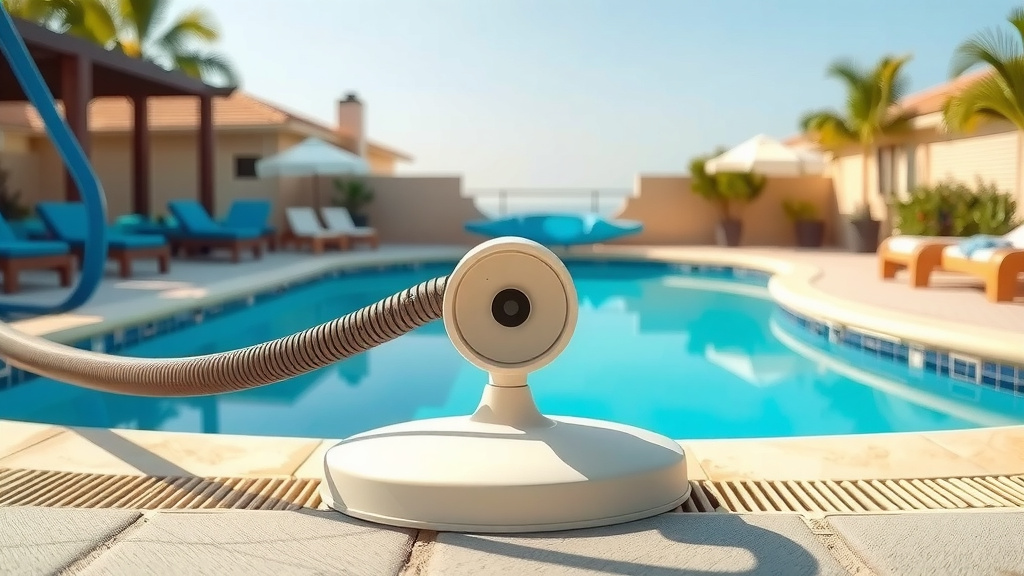
Automatic pool cleaners, like robotic cleaners or suction-side cleaners, do the work for you. They move around the pool on their own. While convenient, they might not get every nook and cranny. You might still need to do a manual vacuum occasionally. These cleaners can help reduce the frequency of manual vacuuming, though.
Robotic Cleaners
Robotic cleaners are often the most thorough automatic option. They have their own filter bags. This means they don’t put extra strain on your main pool filter system. They can often be run several times a week or even daily during peak season.
Suction-Side and Pressure-Side Cleaners
Suction-side cleaners attach to your skimmer. They use your pool pump’s suction to move. Pressure-side cleaners connect to a return line and use water pressure. These can be great for daily maintenance but may require you to clean your pool filter more often.
When to Vacuum More Often Than Weekly
So, you know weekly is the baseline. But when should you deviate from that schedule? It’s about being observant and a little bit proactive.
If you start seeing a thin layer of dirt on your pool floor, it’s time to vacuum. Don’t let it build up into a thick carpet. This makes it harder to clean and can even harbor algae. It’s much easier to vacuum a light dusting than a heavy accumulation. Your pool filter will thank you too.
Signs Your Pool Needs More Frequent Vacuuming
Look for these visual cues:
- Visible dirt or debris on the pool floor.
- Cloudy water that doesn’t clear up with normal filtration.
- Algae starting to form in the corners or on steps.
- Increased wear on your pool filter (i.e., needing to clean it more often).
- After heavy use or specific events like storms or parties.
Can You Vacuum Your Pool Too Often?
It’s rare to vacuum your pool too often to the point of causing harm. However, if you’re using a suction-side cleaner, running it constantly might put too much stress on your pool pump. This is because it’s always running to power the cleaner.
Over-filtering or over-cleaning can sometimes wear down your pool’s finish or equipment faster. A good rule of thumb is to stick to the recommended schedule. If you’re unsure, consult your pool professional. They can assess your specific pool and its needs. Most pool owners find that weekly vacuuming hits the sweet spot.
Quick Checklist for Your Pool Vacuuming Routine
To make sure you’re keeping your pool in tip-top shape, use this simple checklist:
- Check for debris before deciding to vacuum.
- Vacuum weekly as your standard schedule.
- Increase frequency if you notice more dirt buildup.
- Perform a deeper clean after storms or heavy use.
- Monitor your pool’s water clarity.
- Adjust based on your pool’s surroundings and usage.
Vacuuming Frequency Comparison Table
Here’s a quick way to visualize when to adjust your schedule:
| Situation | Recommended Vacuuming Frequency | Notes |
|---|---|---|
| General Maintenance | Once a week | Standard, helps maintain clarity. |
| Heavy Tree Debris | Twice a week or as needed | Especially during fall. |
| High Pool Usage (Parties, Kids) | Twice a week or as needed | Tracks in more dirt and debris. |
| After a Storm/High Winds | Immediately after the storm passes | Prevent debris from settling. |
| Dusty Environment | Twice a week or as needed | Fine grit can accumulate quickly. |
Conclusion
Keeping your pool clean means more than just adding chemicals. Regular vacuuming is key to a sparkling and healthy swimming environment. You’ve learned that weekly vacuuming is your go-to routine for general maintenance. But remember, nature and your pool usage can change that schedule. Pay attention to your pool’s floor and water clarity. Adjust your vacuuming frequency based on the debris you see and how often your family splashes around. By staying vigilant, you’ll ensure your pool is always ready for a refreshing dip. Your next step? Take a quick look at your pool floor and decide if your current routine is working for you!
Frequently Asked Questions
How can I tell if I need to vacuum my pool more often than weekly?
You’ll know it’s time to vacuum more frequently if you see a visible layer of dirt or debris on your pool floor. Cloudy water that doesn’t clear up with regular filtration is another sign. Also, watch for early signs of algae growth, especially in corners or on steps.
Does using an automatic pool cleaner mean I never have to vacuum manually?
Automatic pool cleaners are fantastic for regular maintenance and can significantly reduce the need for manual vacuuming. However, they may not reach every single spot. It’s still a good idea to do a manual vacuum occasionally to ensure a truly deep clean, especially in hard-to-reach areas.
What happens if I don’t vacuum my pool often enough?
If you neglect vacuuming, dirt and debris will settle on the bottom of your pool. This can make it harder to clean later and may even lead to algae growth. A dirty pool floor also puts extra strain on your pool filter, potentially leading to more maintenance issues.
Can I vacuum my pool right after a storm?
Yes, absolutely! After a storm, it’s highly recommended to vacuum your pool as soon as it’s safe to do so. Rain and wind can wash a lot of debris into your water, and vacuuming soon after prevents this mess from settling and becoming a bigger problem.
Is it possible to vacuum my pool too much?
Generally, it’s difficult to vacuum your pool too much to cause damage, especially with manual vacuuming. However, if you’re using a suction-side automatic cleaner, running it constantly might overwork your pool pump. For most homeowners, a consistent weekly vacuuming schedule is just right.
![7 Best Cordless Vacuum For Pet Owners [2026]](https://bathroomexplorer.com/wp-content/uploads/2026/05/7-best-cordless-vacuum-for-pet-owners-2026-featured-768x432.jpg)