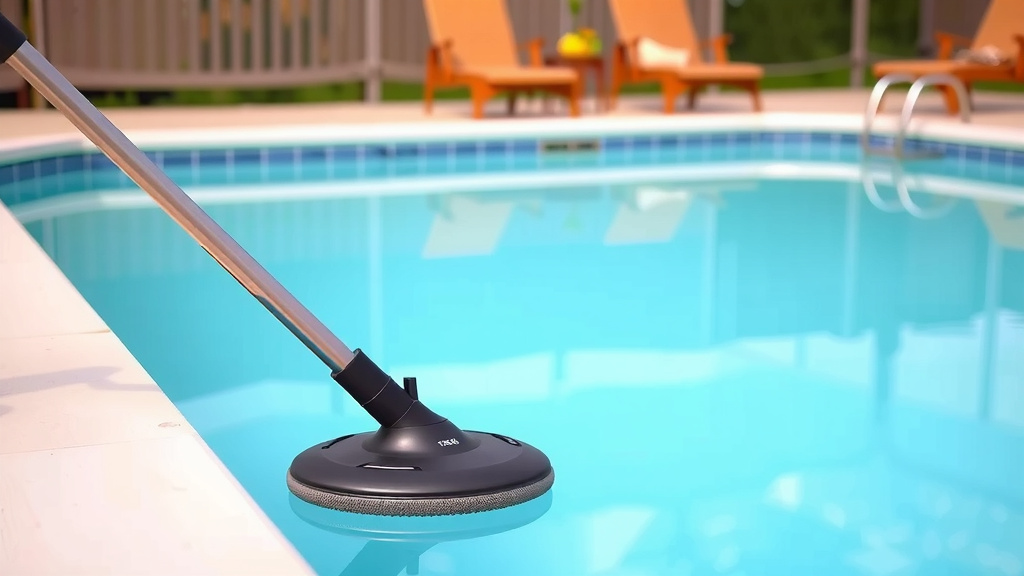
How Often Should You Vacuum Your Pool for Best Results
To keep your pool sparkling clean, you should vacuum it at least once a week. This regular cleaning prevents debris from settling and turning into stubborn algae. If your pool sees a lot of use or is surrounded by trees, you might need to vacuum more often.
Neglecting to vacuum your pool can lead to a cloudy mess. It can also impact your pool’s water chemistry. Many pool owners find that a consistent vacuuming schedule is the easiest way to maintain a healthy swimming environment. It’s a key part of good pool care.
- Vacuum your pool at least once weekly.
- Adjust frequency based on use and surrounding debris.
- Regular vacuuming prevents algae and water issues.
- It’s a simple step for a cleaner pool.
We’ve gathered the best advice on how often you should be vacuuming your pool. Let’s get your water crystal clear!
How Often Should You Really Vacuum Your Pool?
Knowing how often to vacuum your pool is key to keeping it inviting. Most pool owners find that a weekly vacuuming schedule works well. This routine prevents debris from sticking to your pool’s bottom. It also helps maintain clear, healthy water for everyone to enjoy.
But is once a week always enough? It really depends on a few factors. We’ll break down what influences your pool’s vacuuming needs. Let’s make sure your pool is always ready for a splash!
Understanding Your Pool’s Vacuuming Needs
Your pool is like a mini-ecosystem. It’s constantly collecting things from the outside world. Leaves, dirt, and even tiny pollen can fall in. If these particles aren’t removed regularly, they can cause problems. They might start to break down. This can affect your water’s clarity and chemistry.
The Standard Weekly Vacuuming Routine
For many pools, a once-a-week vacuum session is the sweet spot. Think of it as your pool’s weekly spa treatment. This frequency is usually enough to manage everyday debris. It prevents anything from settling in for too long. Many pool service professionals recommend this schedule as a baseline.
Factors That Increase Vacuuming Frequency
Sometimes, life throws more debris your way. Your pool might need more attention than just a weekly clean. Several common scenarios call for more frequent vacuuming.
Heavy Pool Usage
Does your family love pool parties? Do your kids have friends over all the time? Increased use means more feet tracking in dirt. It also means more opportunities for swimsuits to shed lint. If your pool is a social hub, you might need to vacuum twice a week or more. This helps keep up with the extra traffic.
Surrounding Environment: Trees and Wind
If your pool is near lots of trees, you probably know the struggle. Leaves, twigs, and even small branches can become constant visitors. Wind can also blow dust and pollen into the water. In these situations, a weekly vacuum might not cut it. You might find yourself reaching for the vacuum every few days, especially during peak shedding seasons for nearby trees.
Pets and Poolside Living
Do you have a furry friend who likes to swim? Or perhaps you often have BBQs right by the pool? Pets can track in dirt and shed hair. Outdoor living can mean more crumbs and general outdoor particles end up in the water. These situations also point to needing a more frequent vacuuming schedule.
Signs Your Pool Needs Vacuuming Sooner
Your pool will often tell you when it’s time for a clean. You just need to know what to look for. Don’t wait for a major mess.
Visible Debris on the Bottom
This is the most obvious sign. If you can see dirt, leaves, or other gunk sitting on your pool floor, it’s time to vacuum. Even a thin layer means it’s been there for a while. It’s best to tackle it before it becomes harder to remove.
Cloudy Water or Algae Growth
Settled debris can feed algae. This leads to cloudy or even green water. If you notice your water is losing its sparkle, a vacuuming session is likely needed. It’s a crucial step in preventing bigger algae blooms. This is a common sign that your regular cleaning schedule might need a boost (CDC).
Reduced Effectiveness of Pool Cleaners
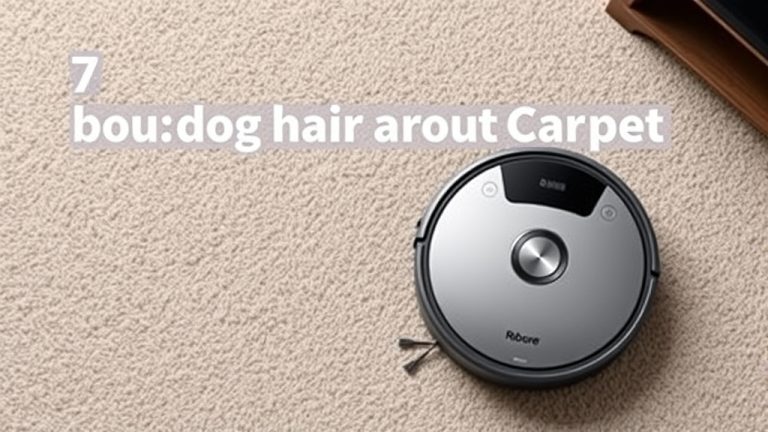
Your automatic pool cleaner might struggle if there’s too much debris. It can get clogged or simply not pick everything up. If you notice your robot cleaner is working overtime but not getting the job done, manual vacuuming might be necessary.
Automatic Pool Cleaners vs. Manual Vacuuming
Many pool owners use automatic pool cleaners. These devices are great for daily maintenance. However, they aren’t always a complete replacement for manual vacuuming. Understanding their roles can help you decide on the best approach for your pool.
| Tool | Pros | Cons | Best For |
|---|---|---|---|
| Automatic Pool Cleaner (Robotic, Suction, Pressure) | Convenient, runs on its own, good for daily debris. | May miss corners, can get stuck, might not pick up fine debris. | Regular maintenance, light daily debris. |
| Manual Pool Vacuum (Hose, Pole, Vacuum Head) | Thorough cleaning, can target specific areas, effective for heavy debris. | Requires manual effort, time-consuming. | Deep cleaning, removing settled debris, spot cleaning. |
When to Rely on Manual Vacuuming
While automatic cleaners do a lot of the heavy lifting, manual vacuuming offers a deeper clean. It’s particularly important for removing debris that settles in corners or on steps. You have direct control over where the vacuum goes. This allows you to tackle stubborn spots. Many experts recommend using a manual vacuum at least once a month, even with an automatic cleaner.
Optimizing Your Vacuuming Strategy
Getting your vacuuming routine right can feel like an art. Here are a few tips to make it more effective and less of a chore.
Timing is Everything: When to Vacuum
When you vacuum can impact your results. Many pool professionals suggest vacuuming after you’ve brushed your pool walls and floor. This loosens any dirt. Brushing first stirs up debris. Then, your vacuum can capture it more easily. It’s also a good idea to vacuum before adding chemicals. This way, you remove the debris before the chemicals have to work around it. This can improve chemical efficiency (Pool & Hot Tub Alliance).
The Right Tools for the Job
Ensure your vacuum head is appropriate for your pool surface. A brush attachment can help scrub away algae or stubborn dirt. Make sure your vacuum hose is the right length and free of leaks.
Using a Leaf Skimmer
Before you vacuum, use a leaf skimmer. This tool removes larger debris from the surface. It prevents your vacuum from getting clogged. It also makes the vacuuming process faster and more efficient. Think of it as clearing the runway for your vacuum jet.
Your Pool Vacuuming Checklist
Here’s a quick rundown to keep your vacuuming on track:
- Check your pool weekly for visible debris.
- Vacuum at least once a week.
- Increase vacuuming frequency if your pool sees heavy use.
- Vacuum more often if your pool is near trees or lots of greenery.
- Consider a manual vacuum session monthly for a deep clean.
- Always brush your pool before vacuuming for best results.
Conclusion
Keeping your pool pristine really comes down to a consistent vacuuming routine. Remember, a weekly vacuum is your baseline for a sparkling clean pool. Adjust this based on how much you use your pool and the environment around it.
Don’t forget that visible debris and cloudy water are your pool’s way of asking for help. Even with an automatic cleaner, a monthly manual vacuum session ensures every corner is spotless. Make vacuuming a regular habit, and you’ll always have an inviting oasis ready for a swim.
Frequently Asked Questions
How often should I vacuum my pool if I have trees nearby?
If your pool is surrounded by trees, you’ll likely need to vacuum more often than once a week. During peak leaf-fall seasons, aim to vacuum every few days. This prevents leaves and debris from settling and staining your pool’s surfaces.
Can an automatic pool cleaner replace manual vacuuming entirely?
Automatic pool cleaners are excellent for daily maintenance and light debris. However, they may miss corners or heavy debris. For a thorough clean, especially for settled dirt, manual vacuuming is still recommended at least once a month.
What are the signs my pool needs vacuuming, even if it’s not dirty?
Look for a fine layer of dust or sediment on the pool floor, or slightly cloudy water. These are early indicators that debris is present. If your automatic cleaner seems to be working overtime or isn’t as effective, it’s a sign to manually vacuum.
Is it better to vacuum before or after adding pool chemicals?
It’s best to vacuum your pool before adding chemicals. This allows the chemicals to work more effectively on the water itself, rather than having to break down debris first. Vacuuming after brushing also helps capture loosened dirt.
How does pool usage affect how often I should vacuum?
Heavy pool usage means more people, more feet, and more potential for dirt and lint to enter the water. If your pool is a popular spot for parties or family fun, you should plan to vacuum more frequently, possibly twice a week, to keep up with the increased traffic.

![7 Best Handheld Vacuum For Pet Hair On Upholstery [2026]](https://bathroomexplorer.com/wp-content/uploads/2026/05/7-best-handheld-vacuum-for-pet-hair-on-upholstery-2026-featured-768x432.jpg)