How Often Should You Vacuum Your Bedroom? A Guide
You should aim to vacuum your bedroom at least once a week to keep dust, allergens, and pet dander under control. For those with allergies or pets, vacuuming twice a week might be even better. This regular cleaning helps maintain a healthier sleeping environment and prevents dirt buildup.
Did you know that your bedroom can accumulate a surprising amount of debris? Between skin cells, hair, and whatever else you track in, your floors can become quite a breeding ground for dust mites. A consistent vacuuming schedule ensures you’re not sleeping surrounded by microscopic clutter, promoting better air quality and a cleaner space overall.
- Vacuum your bedroom at least weekly.
- Consider vacuuming twice weekly if you have allergies or pets.
- Regular vacuuming removes dust, allergens, and dander.
- It contributes to a healthier and cleaner sleeping environment.
Let’s get into the details of how often you really need to vacuum your bedroom and what makes a big difference in keeping it tidy.
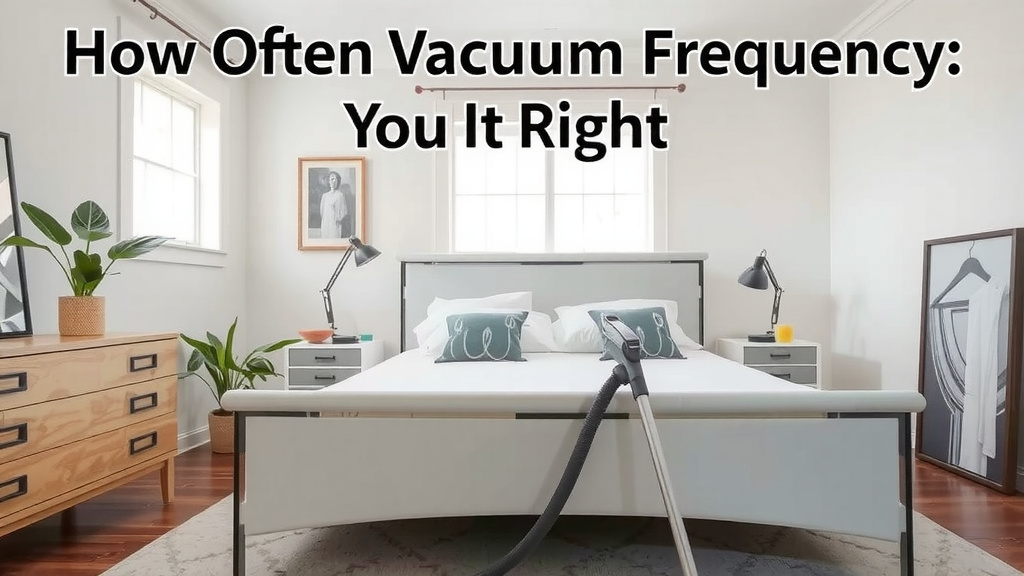
Your Bedroom Vacuuming Frequency: Getting It Right
So, how often should you really be vacuuming your bedroom? Experts and cleaning guidelines generally suggest a weekly vacuuming schedule for most homes. This is a great starting point. It helps manage the everyday dust and debris that settles on your floors.
But life isn’t always so straightforward, right? Your personal situation can absolutely change that recommendation. Think about what happens in your bedroom on a typical day. It’s not just about walking around. It’s where you sleep, relax, and sometimes even work or eat.
The Magic Number: Once a Week?
For the average person or family, vacuuming the bedroom once a week is usually sufficient. This frequency helps keep common household allergens like dust, pet dander, and pollen under control. It also prevents dirt and grime from building up into a more difficult-to-clean mess. You’ll notice a cleaner feel and potentially breathe a bit easier too.
Think of it like this: your bedroom is your sanctuary. It’s where you recharge. Keeping the floors clean means you’re not just sleeping, you’re resting in a healthier environment. A clean room can really impact your overall well-being.
When to Vacuum More Often
Now, let’s talk about those times when once a week just won’t cut it. There are a few key factors that might mean you need to vacuum your bedroom twice a week or even more. We’re talking about your health and the health of your furry friends.
Allergies and Asthma: A Special Case
If you or someone in your household suffers from allergies or asthma, a more frequent vacuuming schedule is highly recommended. Dust mites are a major trigger for these conditions. They thrive in warm, humid environments and feed on dead skin cells, which we shed constantly (yep, you’re producing dust!).
According to the Asthma and Allergy Foundation of America, reducing dust mite allergens is a key strategy for managing symptoms. Vacuuming thoroughly and often helps remove these microscopic irritants before they have a chance to accumulate and cause issues. Aiming for twice a week can make a noticeable difference in air quality and symptom reduction.
Pets in the Bedroom: Extra Cleaning Needed
Do your furry companions share your sleeping space? If so, you’re likely tracking in more than just dust. Pets bring in dirt, dander, and hair. Even the cleanest pets shed. This means your bedroom floors get a double dose of debris.
Pet dander is a common allergen for many people. It’s the microscopic flecks of skin shed by animals. Regular vacuuming is essential to manage this. If your pets spend a lot of time in your bedroom, consider bumping up your vacuuming to twice a week. This will help keep pet dander and fur from becoming overwhelming.
High-Traffic Areas and What You Track In
Is your bedroom a hub of activity? Do you often walk through it with shoes on after being outside? Even without pets or allergies, high-traffic bedrooms can accumulate dirt faster. Think about what gets tracked in from the hallway, kitchen, or even the garden.
If your bedroom sees a lot of foot traffic, you might find that dirt and debris build up more quickly than you’d like. In these cases, a second vacuuming session mid-week can be very beneficial. It’s about maintaining that clean feeling and preventing dirt from getting ground into your carpets or floors.
Factors Influencing Your Vacuuming Schedule
Let’s break down the key elements that influence how often you should be reaching for your vacuum cleaner in your bedroom.
Carpet vs. Hardwood Floors
The type of flooring in your bedroom plays a significant role. Carpets are like magnets for dust, dirt, and allergens. They have fibers that trap particles, making them harder to remove completely with just sweeping or mopping.
Hardwood, tile, or laminate floors are generally easier to clean. Dust and debris tend to sit on the surface and can often be swept or wiped away easily. However, fine dust can still settle into grout lines or crevices. For these surfaces, a weekly vacuum or a good dry mop is often sufficient. But if you have area rugs on top of hard floors, those rugs will need more frequent attention, much like wall-to-wall carpeting.
Your Lifestyle and Habits
Your daily routines matter. Do you eat meals in your bedroom? Do you work from home and spend hours there? Do you have young children who play on the floor? These activities can introduce more crumbs, dust, and debris. If your bedroom serves multiple functions beyond just sleeping, you might need to increase your vacuuming frequency.
Even simple habits like dressing and undressing can release fibers from clothing and skin cells. It all adds up! Paying attention to how your bedroom is used can give you a good clue about how often it needs a clean.
The Impact of a Clean Bedroom Floor
Why bother with all this vacuuming? It’s more than just aesthetics. A clean bedroom floor has real benefits for your health and well-being.
Reducing Dust Mites and Allergens
As we’ve touched on, dust mites are a primary concern. They are microscopic and thrive in bedding, carpets, and upholstery. Regular vacuuming with a good quality vacuum cleaner, ideally one with a HEPA filter, can significantly reduce their numbers (Centers for Disease Control and Prevention). This is especially important for people with respiratory issues.
Improving Indoor Air Quality
Dust isn’t just visible specks; it’s a mix of dead skin cells, fabric fibers, pet dander, pollen, and more. When these particles are stirred up, they float in the air, impacting the air you breathe. Vacuuming removes these particles from your floors, preventing them from becoming airborne and improving the overall air quality in your bedroom.
A More Relaxing Sleep Environment
Let’s be honest, a clean space just feels better. Knowing your bedroom floors are free from visible dirt, pet hair, and dust can contribute to a sense of calm and relaxation. This can lead to a more restful night’s sleep. Your bedroom should be a place of peace, not a source of microscopic stress!
Your Bedroom Cleaning Checklist
Here’s a quick guide to help you stay on top of your bedroom cleaning routine:
- Weekly: Vacuum your bedroom floor thoroughly.
- Twice Weekly (if needed): For pet owners, allergy sufferers, or high-traffic rooms, add a second vacuuming session.
- Check for High-Traffic Spots: Pay extra attention to areas near the door or where you walk most often.
- Under the Bed: Don’t forget to vacuum under your bed; it’s a prime spot for dust bunnies.
- Vacuum Attachments: Use crevice tools to get into corners and along baseboards.
- Clean Your Vacuum: Ensure your vacuum cleaner is in good working order and its filter is clean or replaced regularly.
How to Make Vacuuming Easier
Sometimes, the biggest hurdle is just starting. Here are a few tips to make your vacuuming routine less of a chore. First, declutter your bedroom floor before you vacuum. Pick up clothes, shoes, and any other items. This makes it much faster and more effective to vacuum. You’ll be amazed at how much easier it is to maneuver your vacuum when the floor is clear.
Another helpful tip is to use a vacuum that’s lightweight and easy to handle. If your current vacuum feels like a wrestling match, it might be time to consider an upgrade. There are many great options available that make the job less strenuous. For quick touch-ups between deeper cleans, a cordless stick vacuum can be a lifesaver. They are so convenient for grabbing and cleaning a small area quickly.
| Situation | Recommended Frequency | Why? |
|---|---|---|
| General Household (No Pets, No Allergies) | Once a week | Manages everyday dust and prevents buildup. |
| With Pets | Twice a week | Controls pet dander, hair, and tracked-in dirt. |
| Allergies or Asthma Sufferers | Twice a week | Reduces dust mites and airborne allergens. |
| High-Traffic Bedroom | Once to twice a week | Keeps dirt and debris from accumulating quickly. |
| Bedrooms with Mostly Hard Floors | Once a week (or as needed) | Dust sits on top; easier to manage. Area rugs still need attention. |
Conclusion
You’ve learned that vacuuming your bedroom once a week is a great baseline for most people. However, your personal circumstances matter. If you have allergies, asthma, or pets, stepping up to twice a week can make a big difference in your home’s air quality. Even busy households might benefit from a little extra attention mid-week. Ultimately, a cleaner bedroom floor means a healthier, more relaxing space for you. So, grab your vacuum and give your bedroom the attention it deserves!
Frequently Asked Questions
How often should I vacuum my bedroom if I have carpet?
Carpet fibers tend to trap dust, dander, and allergens more effectively than hard floors. For carpeted bedrooms, it’s especially important to stick to a weekly vacuuming schedule. If you have pets or allergies, consider vacuuming your carpeted bedroom twice a week to manage buildup.
Does vacuuming under the bed really matter?
Yes, it absolutely matters! The space under your bed is often a hidden hotspot for dust bunnies, pet hair, and even dust mites. Make it a point to vacuum under the bed every time you do your regular floor cleaning to keep allergens at bay and maintain better air quality.
What is the best time of day to vacuum my bedroom?
The best time to vacuum your bedroom is whenever it’s most convenient for your schedule and least disruptive. Many people prefer to vacuum in the morning after waking up or in the afternoon. Just ensure you can adequately air out the room afterward if you’re sensitive to kicked-up dust.
Can I just sweep my bedroom floor instead of vacuuming?
Sweeping can help with larger debris, but it often can’t capture the finer dust particles, allergens, and microscopic irritants that vacuuming can. For a truly clean bedroom floor, especially if you have carpets or rugs, vacuuming is the more effective method for removing these smaller particles.
How often should I clean my vacuum cleaner itself?
Keeping your vacuum clean is just as important as vacuuming your floors! You should empty the dustbin or replace the bag after every few uses. Regularly check and clean or replace the filter, typically every 1-3 months depending on your vacuum model and usage, to ensure it runs efficiently and effectively.