How Often Should You Vacuum Your Home?
So, how often should you vacuum? Generally, for most homes, experts suggest vacuuming your main living areas about 1-2 times per week. High-traffic zones like entryways and kitchens might need more frequent attention. Keeping up with this routine helps manage dust, allergens, and pet hair effectively.
Think of vacuuming as a key part of maintaining a healthy living space. Regular vacuuming can significantly reduce the amount of dust mites and allergens lurking in your carpets and upholstery. This simple habit contributes to better indoor air quality and can be especially beneficial if you have allergies or pets.
- Aim to vacuum main areas 1-2 times weekly.
- Increase frequency for high-traffic spots.
- Regular vacuuming reduces allergens and improves air quality.
- Consider pet owners might need to vacuum daily.
Ready to get your floors looking and feeling their best? Let’s walk through the best practices for keeping your vacuuming routine effective.
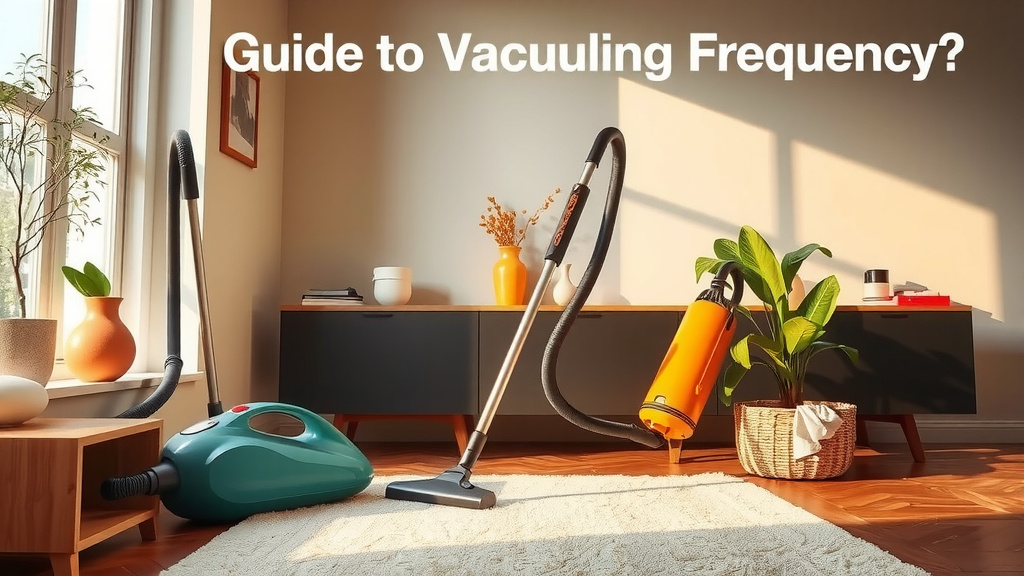
Your Guide to Vacuuming Frequency
So, how often should you really be running that vacuum cleaner? We’ve all wondered if our floors are as clean as they look. Research and expert advice offer some clear guidelines.
Understanding the General Recommendation
For most households, a good rule of thumb is to vacuum your main living areas about 1 to 2 times per week. This frequency helps keep everyday dirt, dust, and debris under control. It’s like giving your home a regular refresh. Think of your living room, dining room, and main hallways as the primary targets for this routine.
High-Traffic Areas Need Extra Love
Now, let’s talk about the spots that get more foot traffic. Entryways, kitchens, and family rooms often see more action. These areas can become magnets for dirt tracked in from outside. Therefore, they benefit from more frequent vacuuming. You might find yourself vacuuming these zones 3 or more times a week. This is especially true if you have kids or pets.
Factors That Influence Your Vacuuming Schedule
Your personal circumstances play a big role. What works for one home might not be ideal for another. Let’s break down some common factors to consider.
Pet Owners: A Special Case
If you share your home with furry friends, you know the struggle. Pet hair can seem to appear out of nowhere! For pet owners, vacuuming might need to become a daily or every-other-day activity. This is crucial for managing dander and allergens. Many experts suggest daily vacuuming in homes with shedding pets to keep dander levels low (American College of Allergy, Asthma & Immunology).
Allergies and Asthma Sufferers
Living with allergies or asthma means paying extra attention to your indoor environment. Dust mites, pollen, and pet dander are common triggers. Regular, thorough vacuuming helps remove these irritants from carpets and upholstery. You might want to vacuum your main living spaces at least twice a week. Using a vacuum with a HEPA filter can make a significant difference too. These filters trap tiny particles that can worsen symptoms (Cleveland Clinic).
Lifestyle and Household Activity
Are you home a lot? Do you entertain often? A busy household generally means more dirt and wear on your floors. If people are constantly coming and going, dirt can accumulate quickly. If you work from home or have young children, your floors might need more frequent attention than a home with fewer occupants or less activity.
Carpet vs. Hardwood Floors
Carpets tend to trap dust and allergens more effectively than hard floors. This means carpets often require more frequent vacuuming to stay clean. Hardwood, tile, or laminate floors are easier to sweep or spot clean. However, they can still benefit from a weekly vacuuming to pick up fine dust and debris.
Optimizing Your Vacuuming Technique
It’s not just about how often you vacuum, but also how effectively you do it. Taking a few extra minutes can make a world of difference.
The Right Tool for the Job
Having the right vacuum cleaner makes the task much easier. Consider your floor types and any specific needs, like pet hair or allergies. A vacuum with strong suction and good filtration is key. Look for features like adjustable height settings for different carpets.
Slow Down for a Deeper Clean
Did you know that rushing through vacuuming means you’re likely missing a lot? Experts often recommend moving your vacuum cleaner slowly. This allows the brush roll and suction to properly lift dirt from deep within carpet fibers. Try moving at a pace where you can read the text on your screen – that slow! You’ll be amazed at what gets picked up.
Don’t Forget the Edges and Furniture
Dirt loves to hide along baseboards and under furniture. Make sure you’re using attachments like the crevice tool to get into these hard-to-reach spots. Vacuuming under sofas and beds regularly helps remove accumulated dust and potential hiding places for dust mites.
A Simple Vacuuming Checklist for Your Home
To help you stay on track, here’s a quick checklist. Think of it as your personal floor-care to-do list!
- Vacuum main living areas 1-2 times per week.
- Vacuum high-traffic zones (entryways, kitchen) 2-3 times per week or as needed.
- Daily vacuuming is recommended for pet owners.
- Use vacuum attachments for edges, corners, and furniture.
- Consider more frequent vacuuming if you have allergies or asthma.
- Clean or replace your vacuum filter regularly for optimal performance.
Making Vacuuming Less of a Chore
We get it; vacuuming isn’t everyone’s favorite activity. But by establishing a consistent routine and using smart strategies, you can make it more manageable. Think of it as an investment in your home’s comfort and health. A clean floor can truly make your whole home feel better!
Conclusion
You’ve now got a clear picture of how often you should vacuum. Remember, the general guideline of 1-2 times per week for main areas is a great starting point. But don’t forget to adjust for high-traffic zones, shedding pets, or allergies. Making vacuuming a regular habit is a simple yet powerful way to improve your home’s air quality and overall cleanliness. So, grab your vacuum and give your floors the attention they deserve. Your next step is to schedule your vacuuming sessions into your weekly routine.
Frequently Asked Questions
How often should I vacuum if I don’t have pets or allergies?
For homes without pets or significant allergy concerns, vacuuming your main living areas once a week is usually sufficient. Focus on areas with moderate foot traffic to keep everyday dust and dirt under control. This frequency helps maintain a comfortable and clean living environment without being overly demanding.
Does the type of flooring really affect how often I need to vacuum?
Yes, it does. Carpets tend to trap more dust, dirt, and allergens than hard floors like hardwood or tile. If you have mostly carpeted floors, you’ll likely need to vacuum more often, perhaps twice a week. For homes with mostly hard surfaces, a weekly vacuuming session might be enough to keep things tidy.
Is it okay to vacuum less often during certain times of the year?
While you can adjust slightly, it’s best to maintain a consistent vacuuming schedule year-round. Dust and allergens can accumulate regardless of the season. For instance, pollen can be tracked in during warmer months, and heating systems can circulate dust in winter. Stick to your routine for the best results.
What’s the best way to vacuum high-traffic areas more effectively?
High-traffic areas like entryways and kitchens benefit from more frequent attention. Consider a quick vacuum every other day, or at least 3 times a week. Using a vacuum with strong suction and ensuring you move slowly over the area will help lift embedded dirt more effectively. Don’t forget to use attachments for any corners or edges.
How often should I vacuum furniture and upholstery?
You should vacuum your furniture and upholstery at least once or twice a month. If you have pets that frequent your furniture or if someone in your household has allergies, you might need to do this more often. Use an appropriate upholstery attachment to remove dust, pet hair, and allergens.

![7 Best Handheld Cordless Vacuum Cleaner For Pets [2026]](https://bathroomexplorer.com/wp-content/uploads/2026/05/7-best-handheld-cordless-vacuum-cleaner-for-pets-2026-featured-768x432.jpg)