
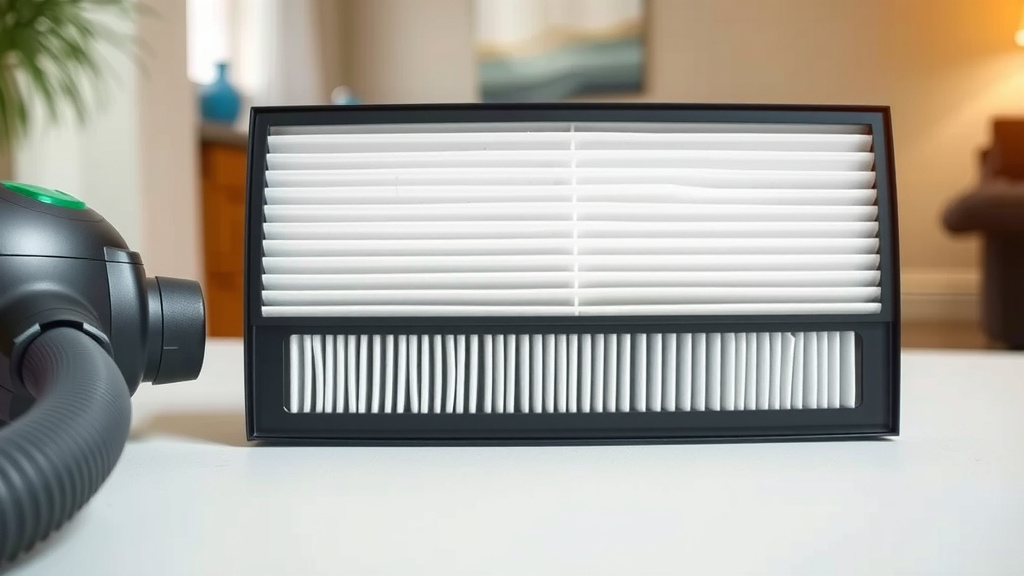
How Often to Change Your Vacuum Filter for Peak Performance
You should aim to change your vacuum filters every 3 to 12 months, depending on the type of filter and how often you vacuum. Regular filter changes are key to maintaining your vacuum’s suction power and ensuring cleaner air in your home. Neglecting this simple task can lead to a less effective clean and even potential damage to your machine.
Keeping your filters fresh is surprisingly important for your home’s air quality. When filters get clogged, your vacuum struggles to breathe, leading to reduced performance. Many experts suggest that a dirty filter can even recirculate dust and allergens back into your living space, which is the opposite of what you want! This makes it one of the most overlooked aspects of home maintenance.
- Generally, change filters every 3-12 months.
- HEPA filters often need replacing annually.
- Washable filters need cleaning every month.
- Check your vacuum’s manual for specific advice.
- Dirty filters hurt suction and air quality.
Let’s dive into the specifics of vacuum filter lifespans and how to tell when yours has seen better days.
When Should You Swap Out Your Vacuum Filters?
Your vacuum cleaner’s filters are like its lungs. They trap dust, dirt, and allergens. When these filters get clogged, your vacuum can’t breathe properly. This hurts its suction power. It also means your vacuum might be blowing dusty air back into your home. That’s the opposite of clean air! We found that most vacuum manufacturers suggest changing filters between 3 to 12 months.
Understanding Different Filter Types and Their Lifespans
Not all vacuum filters are created equal. The material and design play a big role. Some are meant to be washed and reused. Others are disposable. Knowing your filter type helps you know when it’s time for a change.
Disposable Filters: The “Set It and Forget It” Approach
Many vacuums use disposable filters. These are typically made of paper or synthetic materials. They trap fine particles effectively. Once they get dirty, you toss them and pop in a new one. We found that these usually need replacing every 6 to 12 months. This is if you use your vacuum regularly. If you have pets or allergies, you might need to swap them out sooner.
Washable Filters: A More Eco-Friendly Option
Washable filters are designed for repeat use. They are often made of foam or a more durable synthetic fabric. The big advantage here is cost savings. You don’t buy new filters as often. However, they require regular cleaning. We found that you should aim to wash these filters about once a month. Even with washing, they don’t last forever. After a year or two of washing, they can lose their effectiveness. You’ll likely need to replace them annually or every other year.
The Mighty HEPA Filter: A Breath of Fresh Air
HEPA filters are a big deal for allergy sufferers. HEPA stands for High-Efficiency Particulate Air. They are designed to capture 99.97% of particles that are 0.3 microns in size. This includes things like dust mites, pollen, and pet dander. Because they are so effective, they tend to be more expensive. We found that most HEPA filters need to be replaced about once a year. Some manufacturers might suggest every 6 months for optimal performance, especially in homes with high allergen levels.
Signs Your Vacuum Filter Needs Attention
Sometimes, your vacuum will give you clues. You don’t always need to mark your calendar. Keep an eye out for these common signs. They tell you it’s time to check your filter.
Reduced Suction Power: The Most Obvious Sign
Has your vacuum lost its bite? Does it feel like it’s barely picking anything up? This is often the first sign of a clogged filter. The motor is still working hard, but the airflow is restricted. Think of trying to drink a thick milkshake through a tiny straw. It’s tough! We found that a dirty filter is the most common culprit behind a weak vacuum. It’s a good idea to check your filter before assuming the motor is failing.
Unpleasant Odors: When Your Vacuum Smells Funky
Does your vacuum smell a bit…off after you use it? Trapped dust, pet hair, and other debris can start to create odors. As the filter gets saturated, these smells can get recirculated into your home. Many experts say that a musty or unpleasant smell coming from your vacuum is a clear indicator of a dirty filter. Sometimes, a quick filter change can solve this problem.
Visible Dirt or Debris on the Filter
This might seem obvious, but it’s worth mentioning! Take a peek at your filter. If it’s covered in a thick layer of dust, dirt, or debris, it’s definitely time for a change or a wash. You can often see the trapped particles. If you can’t see through it anymore, it’s probably not doing its job effectively.
Your Vacuum Overheating
When a filter is clogged, the vacuum motor has to work much harder. This extra strain can cause the motor to overheat. If your vacuum feels unusually hot during use, turn it off immediately. Let it cool down. Then, check your filters and other air pathways for blockages. We found that overheating can sometimes lead to permanent motor damage, so it’s important to address it promptly.
A Simple Filter Maintenance Checklist
Keeping track of your filter maintenance doesn’t have to be a chore. Follow this simple checklist to stay on top of things:
- Monthly: Check and wash any washable foam filters.
- Every 3-6 Months: Inspect disposable filters. Replace if visibly dirty or performance declines.
- Annually: Replace HEPA filters.
- After Heavy Use: If you’ve cleaned up a big mess or vacuumed a lot, give your filters a quick check.
- Consult Your Manual: Always refer to your vacuum’s user manual for specific recommendations.
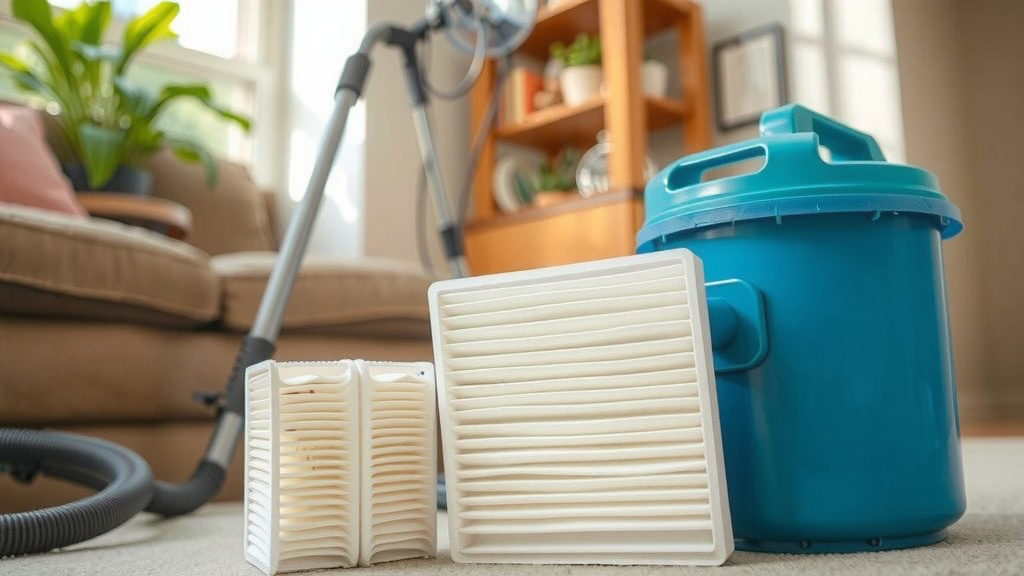
Making the Filter Change Process Easy
Changing your vacuum filter might seem daunting, but it’s usually a straightforward process. Most manufacturers design them for easy access. You’ll typically find the filter compartment on the side or back of your vacuum. Sometimes, it’s under a hatch or panel. Consult your vacuum’s manual if you’re unsure. You can usually find replacement filters on the manufacturer’s website or at major home appliance stores. Having a spare on hand means you can swap it out immediately when needed!
Conclusion
Taking care of your vacuum filters is an easy win for a cleaner home. You’ve learned that filter lifespans vary by type. Disposable filters usually last 6-12 months, washable ones need monthly cleaning, and HEPA filters are typically replaced yearly. Watching for signs like reduced suction or strange odors helps you know when it’s time for a change. Don’t forget to consult your vacuum’s manual for the most precise recommendations. Your next step is simple: find out what type of filter your vacuum uses and check when it was last replaced. Make a note to stay on top of this small task for better air and a more powerful clean.
Frequently Asked Questions
How do I know if my vacuum filter is really dirty?
The biggest clue is a noticeable drop in your vacuum’s suction power. If it feels like it’s struggling to pick up dirt, your filter is likely clogged. Also, check the filter visually; if it’s covered in a thick layer of dust and debris, it’s time for a change or a wash.
Can I just wash my disposable vacuum filters?
No, disposable filters are not designed to be washed. They are made from materials that can break down or lose their effectiveness when wet. Washing a disposable filter will likely damage it and make it less efficient, or even unusable.
Will changing my vacuum filter actually improve my allergies?
Yes, a clean and effective filter, especially a HEPA filter, can significantly help with allergies. By trapping allergens like dust, pollen, and pet dander, it prevents them from being recirculated back into your air. This leads to a healthier indoor environment.
What happens if I never change my vacuum filters?
If you don’t change your filters, your vacuum will lose suction power and clean less effectively. The motor can also overheat from the strain, potentially causing damage. Furthermore, dirty filters can recirculate dust and allergens, worsening air quality in your home.
Should I buy original brand replacement filters or can I use aftermarket ones?
While aftermarket filters can be cheaper, original manufacturer filters are generally recommended. They are designed specifically for your vacuum model to ensure optimal fit and performance. Using a filter that doesn’t fit correctly could lead to air leaks or damage to your vacuum.
![7 Best Lightweight Vacuum Cleaner For Wood Floors [2026]](https://bathroomexplorer.com/wp-content/uploads/2026/06/7-best-lightweight-vacuum-cleaner-for-wood-floors-2026-featured-768x432.jpg)
![7 Best Chamber Vacuum Sealer For Sous Vide [2026]](https://bathroomexplorer.com/wp-content/uploads/2026/05/7-best-chamber-vacuum-sealer-for-sous-vide-2026-featured-768x432.jpg)