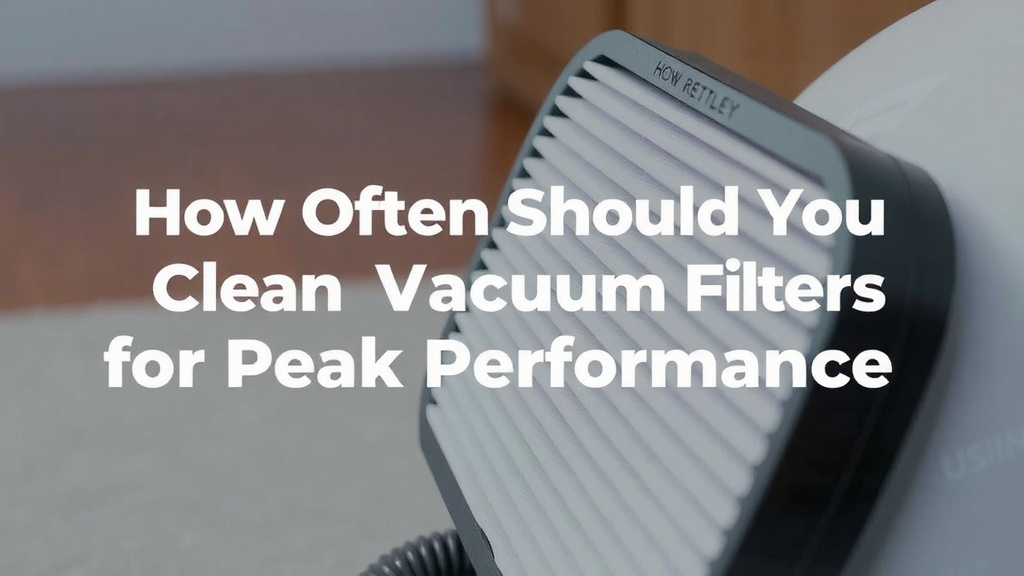
How Often Should You Clean Vacuum Filters for Peak Performance
You should clean your vacuum filters every 1 to 3 months, depending on your usage. This simple maintenance keeps your vacuum running efficiently and helps it pick up more dirt. Ignoring dirty filters can lead to a loss of suction power and even damage your vacuum over time. Keeping filters clean is one of the easiest ways to extend your vacuum’s life.
Many people wonder how often to clean vacuum filters because they notice their machine isn’t performing as well. When filters get clogged, your vacuum has to work harder. This can cause it to overheat and shorten its lifespan. Regular cleaning ensures your home stays cleaner and your vacuum works its best, giving you more bang for your buck.
- Clean filters every 1-3 months.
- Dirty filters reduce suction.
- Clean filters protect your vacuum.
- Check your manual for specifics.
- HEPA filters might need replacing more often.
Let’s walk through exactly how to keep those filters pristine so your vacuum can do its best work for your home.
How Often Should You Tackle Vacuum Filter Cleaning?
When it comes to keeping your vacuum cleaner in tip-top shape, knowing how often to clean vacuum filters is key. Most manufacturers recommend a cleaning schedule of **once every 1 to 3 months**. Think of it like changing the oil in your car; it’s routine maintenance that prevents bigger problems down the road.
The exact frequency can really depend on a few things. How much do you use your vacuum? Do you have pets shedding constantly? Are there allergy sufferers in your home? These factors can mean you’ll need to clean your filters more often than someone who only vacuums occasionally. Paying attention to your vacuum’s performance is your best clue.
Understanding Your Vacuum’s Filtration System
Your vacuum cleaner is more than just a suction machine. It’s a complex system designed to suck up dirt and then filter the air before releasing it back into your home. The filters are the unsung heroes of this process. They trap dust, allergens, and other tiny particles, preventing them from recirculating.
The Role of Pre-Motor Filters
These filters sit between the dustbin and the motor. Their main job is to catch larger debris before it reaches the finer filters or the motor itself. If these get clogged, your vacuum will start to lose suction power. We found that dirty pre-motor filters are often the culprit behind a vacuum’s poor performance.
Post-Motor (Exhaust) Filters and HEPA
After the air passes through the motor, it goes through an exhaust filter. This is your last line of defense against fine dust and allergens. HEPA (High-Efficiency Particulate Air) filters are a special type of exhaust filter. They are designed to capture 99.97% of particles that are 0.3 microns or larger. If you or someone in your household suffers from allergies or asthma, these filters are especially important (Cleveland Clinic).
Signs Your Vacuum Filters Need Attention
Sometimes, your vacuum will tell you it needs some TLC. You don’t need to be a vacuum whisperer to notice when something’s up. Keep an ear out and a nose open for these common signs.
Noticeable Loss of Suction Power
This is the most common indicator. If your vacuum is struggling to pick up even light debris, or if you have to go over the same spot multiple times, chances are your filters are blocked. It’s like trying to breathe through a clogged nose; the airflow is just too restricted. This is your vacuum’s way of saying, “Help me!”
Unpleasant Odors
Does your vacuum emit a dusty or musty smell when you use it? That’s a sign that the filters are overloaded with dirt, pet dander, and other odor-causing particles. These particles are trapped in the filter, and as air passes through, they get released into your home. A good filter cleaning or replacement can make your home smell fresh again.
Overheating or Strange Noises
When filters are clogged, your vacuum’s motor has to work much harder to pull air through. This extra strain can cause the motor to overheat. You might notice your vacuum getting unusually hot to the touch, or it might start making strange whining or struggling noises. This is a critical sign that you need to check those filters immediately, as overheating can cause permanent damage to your vacuum.
A Practical Cleaning and Replacement Schedule
Getting into a routine for filter maintenance will keep your vacuum running smoothly for years. It’s a small effort with a big payoff.
Standard Filter Cleaning Frequency
For most households, cleaning your non-HEPA filters **every 1 to 2 months** is a good starting point. This usually involves tapping out loose dirt or gently rinsing them with water. Always ensure they are **completely dry** before putting them back in. Many manufacturers, including Dyson and Shark, suggest this kind of regular cleaning for their washable filters.
HEPA Filter Considerations
HEPA filters are a bit different. While some can be rinsed, many are not designed for washing. It’s crucial to check your vacuum’s manual. We found that most HEPA filters are meant to be replaced, not cleaned. Their replacement schedule can range from **every 6 months to a year**, depending on usage and the specific filter model. Neglecting HEPA filter replacement means you’re losing the benefit of trapping those fine allergens.
When to Replace Instead of Clean
Some filters are beyond cleaning. If a filter looks torn, misshapen, or permanently discolored, it’s time for a new one. Also, if cleaning doesn’t restore suction power or eliminate odors, replacement is likely the answer. It’s often best to stick with genuine manufacturer replacement parts to ensure the best fit and filtration performance.
Checking Your User Manual is Key
Your vacuum cleaner’s user manual is your ultimate guide. It will detail the specific types of filters your model uses and provide precise instructions for cleaning and replacement. We can’t stress enough how important it is to consult this document. What works for one vacuum might not be suitable for another.
| Filter Type | Typical Cleaning Frequency | Typical Replacement Frequency | Notes |
|---|---|---|---|
| Pre-Motor (Washable) | Every 1-2 months | As needed (if damaged) | Tap out loose dirt; rinse if allowed. Ensure completely dry. |
| Post-Motor/Exhaust (Washable) | Every 2-3 months | As needed (if damaged) | Follow manual instructions for rinsing. Dry thoroughly. |
| HEPA Filter (Non-washable) | N/A (Replace only) | Every 6-12 months | Check manual; some HEPA filters are washable but less common. |
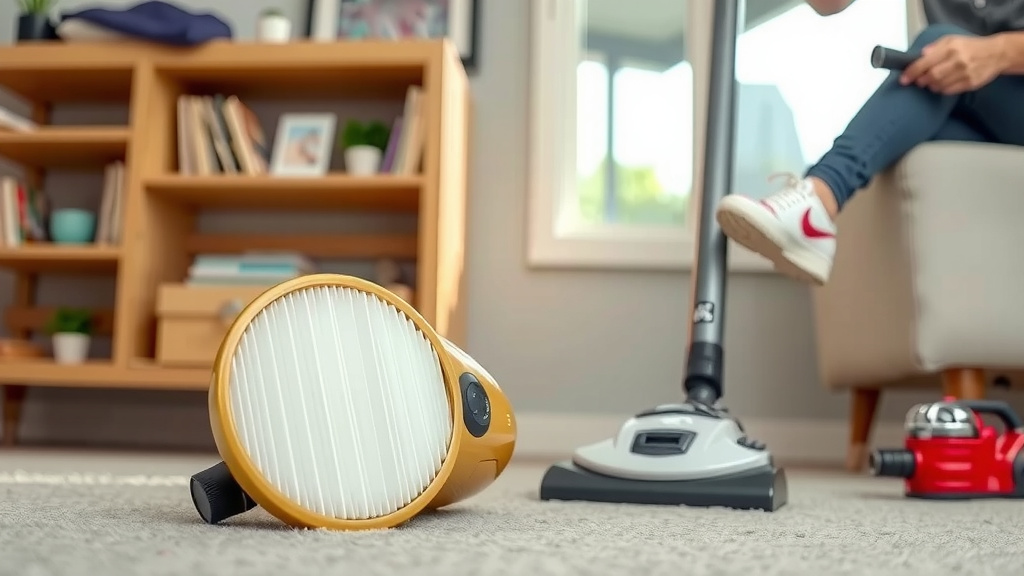
Your Vacuum Filter Maintenance Checklist
Want to make sure you’re staying on top of this important task? Keep this handy checklist nearby!
- Check filters for visible dirt and debris monthly.
- Clean washable filters every 1-2 months.
- Ensure filters are completely dry before reinstallation.
- Replace HEPA filters as recommended by the manufacturer (usually 6-12 months).
- Inspect filters for any signs of damage (tears, holes).
- Consult your vacuum’s manual for specific care instructions.
Conclusion
You’ve learned that cleaning your vacuum filters regularly is key to peak performance. Aim to clean washable filters every 1 to 2 months and replace HEPA filters every 6 to 12 months, but always check your manual first. This simple maintenance prevents loss of suction, unpleasant odors, and potential motor damage. By staying on top of filter care, you’ll extend your vacuum’s lifespan and keep your home cleaner. Make checking your filters a part of your regular cleaning routine starting today.
Frequently Asked Questions
How often should I clean my vacuum filter if I have pets?
If you have pets, you’ll likely need to clean your vacuum filters more often. Pet hair and dander clog filters quickly. We recommend checking and cleaning washable filters at least once a month in pet-owning households. This will help maintain strong suction and prevent odors.
Can I use water to clean all vacuum filters?
No, not all vacuum filters are safe to wash with water. Always check your vacuum’s user manual. Many HEPA filters are designed for replacement only and can be damaged by washing. Only rinse filters that your manual explicitly states are washable.
What happens if I never clean my vacuum filters?
Never cleaning your vacuum filters can lead to a significant loss of suction power. The filters will become completely clogged, forcing the motor to work much harder. This strain can cause your vacuum to overheat and shorten its overall lifespan, potentially leading to costly repairs or replacement.
Is it okay to put a damp filter back in my vacuum?
Absolutely not. It’s critical that your filters are completely dry before you put them back into your vacuum cleaner. Reinstalling a damp filter can lead to mold and mildew growth, which will make your vacuum smell bad and potentially damage internal components.
When should I replace a washable filter instead of cleaning it?
You should replace a washable filter if it shows signs of wear and tear. Look for any tears, holes, or permanent misshaping. If cleaning no longer restores the filter’s performance or if it just looks worn out, it’s time for a new one to ensure your vacuum works its best.
![7 Best Carpet Vacuum For Allergies [2026]](https://bathroomexplorer.com/wp-content/uploads/2026/05/7-best-carpet-vacuum-for-allergies-2026-featured-768x432.jpg)