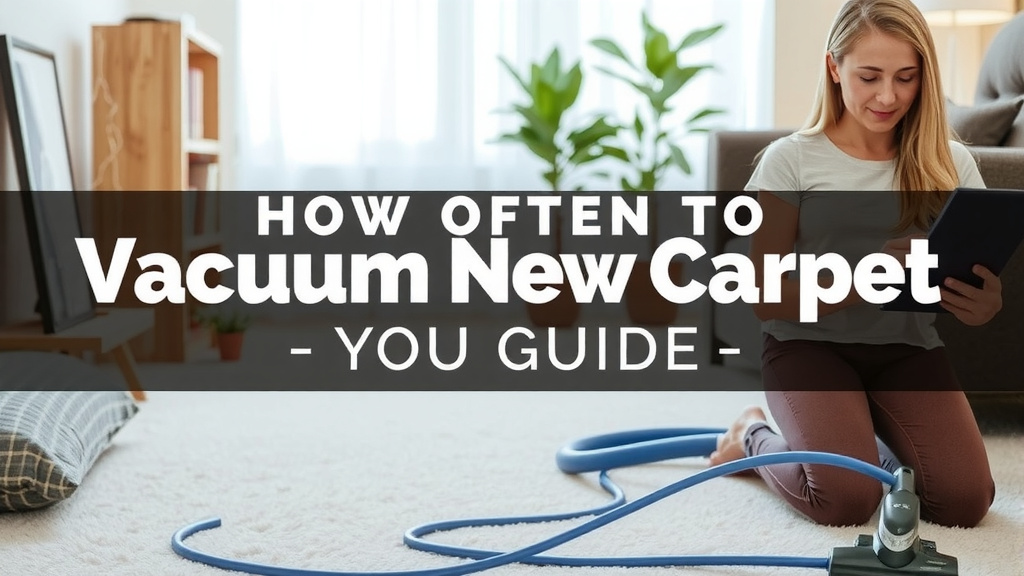
How Often to Vacuum New Carpet: Your Guide
You should vacuum new carpet at least once a week, and potentially more often in high-traffic areas. This regular cleaning helps remove loose debris and protect your carpet’s fibers from damage. It’s an essential step for maintaining your carpet’s appearance and longevity.
Think of it as a spa treatment for your floors! New carpet can shed fibers and collect dust more readily in its initial stages. So, a consistent vacuuming schedule isn’t just about cleanliness; it’s about proper carpet care. We found that frequent vacuuming can also prevent dirt from becoming deeply embedded, which is a lifesaver for future stain removal.
- Vacuum at least once a week.
- Increase frequency for high-traffic zones.
- Use the right vacuum settings.
- Empty the vacuum bag often.
- Address spills immediately.
Let’s get into the specifics of how often and why, so your new carpet stays looking its best for years to come.
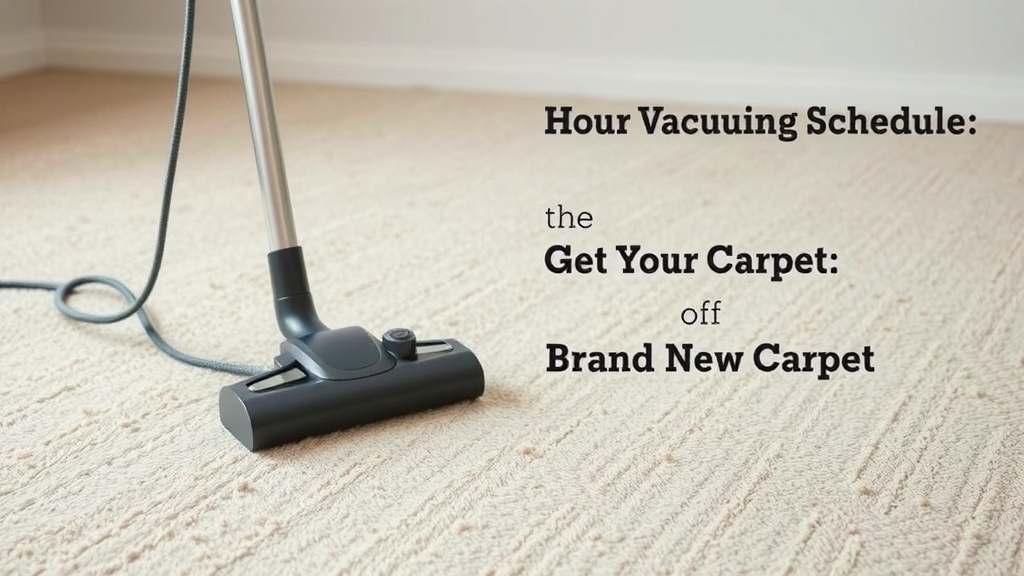
Your Vacuuming Schedule for Brand-New Carpet
So, you’ve just installed a beautiful new carpet. Congratulations! Now comes the important part: keeping it looking amazing. You’re probably wondering, “How often should I actually vacuum this new carpet?” We’ve got you covered. The general rule of thumb is to vacuum your new carpet at least once a week. This might seem frequent, but it’s essential for a few key reasons.
Why So Much Vacuuming for New Carpet?
New carpets can be a little messy at first. They often have loose fibers that were cut during manufacturing. These fibers can make their way to the surface and look like shedding. Regular vacuuming helps to remove these loose fibers and any manufacturing dust. Think of it as grooming your new pet – you want to get rid of any stray hairs!
We found that this initial shedding is totally normal. It’s not a sign of a faulty carpet. It’s just the carpet settling into its new home. Your vacuum cleaner acts like a gentle broom, sweeping up these stray strands before they can get tracked around and become a bigger mess.
The Science Behind the Shedding
When carpet fibers are manufactured and cut, tiny bits can remain. These are called “fuzzies” or “loose pile.” Your initial vacuuming sessions will collect a lot of these. Many carpet manufacturers recommend this initial period of frequent vacuuming. It helps to stabilize the carpet pile and reduce long-term shedding.
We looked into what experts say, and many agree that the first few weeks are critical. During this time, your vacuum is doing more than just cleaning; it’s helping to create a stronger, more resilient carpet surface. It’s a workout for your new floor!
High-Traffic Areas Need Extra Love
Not all parts of your carpet get the same amount of foot traffic. That hallway leading to the bedrooms? The area in front of the sofa? These spots will see more action. For these high-traffic zones, you’ll want to increase your vacuuming frequency.
Instead of once a week, try vacuuming these busy areas two to three times a week. This prevents dirt and debris from getting ground into the fibers. We found that dirt particles act like tiny sandpaper. When they get walked on repeatedly, they can wear down carpet fibers prematurely.
Identifying Your High-Traffic Zones
Walk through your home and identify the paths you and your family use most often. Common areas include:
- Entryways
- Hallways
- Around furniture
- Areas where pets spend time
- Near doorways
Paying special attention to these areas will make a big difference in how your carpet looks over time. It’s like giving your busiest rooms a little extra TLC.
Optimizing Your Vacuuming Technique
It’s not just about how often you vacuum, but also *how* you vacuum. Using the right settings and methods can protect your new carpet and ensure a thorough clean. Let’s make sure your vacuum cleaner is your carpet’s best friend, not its enemy.
Choosing the Right Vacuum Settings
Most modern vacuum cleaners have adjustable height settings. For new carpet, it’s crucial to get this right. You want the vacuum head to be close enough to pick up debris but not so close that it digs into the carpet pile.
We recommend starting with a higher setting and gradually lowering it until you feel a slight resistance. You should be able to push the vacuum easily. If you have to yank it back, it’s likely set too low. Many experts suggest consulting your vacuum’s manual for specific recommendations for different carpet types.
Beating the Beater Bar
The rotating brush, or “beater bar,” on your vacuum is great for agitating carpet fibers and loosening dirt. However, on some new carpets, especially those with a longer or plusher pile, a beater bar can be too aggressive. It might pull out more fibers than necessary.
If your vacuum has a setting to turn off the beater bar or adjust its speed, consider using it for the first few weeks. Some vacuums also have a setting specifically for “new carpet.” We found that many users reported less shedding when they used the beater bar on a gentler setting or turned it off altogether initially.
The Importance of Emptying Your Vacuum
This might sound simple, but it’s often overlooked! A full vacuum bag or canister can reduce suction power. This means your vacuum won’t be cleaning as effectively. For new carpets, especially during the shedding phase, you’ll fill up your vacuum faster.
We recommend emptying your vacuum bag or canister every time you use it, or at least when it’s two-thirds full. This ensures optimal performance. A vacuum that’s working too hard because it’s full can also overheat, which isn’t good for the machine or your carpet.
Consider this a mini-checklist for your vacuuming:
- Check the bag/canister level before each use.
- Empty it when it’s about 2/3 full.
- Clean or replace filters regularly.
- Ensure the beater bar isn’t set too aggressively.
- Listen to your vacuum – if it sounds strained, check the bag!
Addressing Spills: Act Fast!
While not directly about *how often* to vacuum, spill response is a critical part of new carpet care. Accidents happen, and how you handle them makes a huge difference. For new carpets, their fibers might be more absorbent initially.
We found that the most effective way to deal with spills is to blot them immediately with a clean, dry cloth. Never rub! Rubbing can spread the stain and damage the carpet fibers. For tougher spots, use a carpet cleaner specifically designed for your carpet type. Always test in an inconspicuous area first.
Think of it this way: You wouldn’t let a stain set on your favorite shirt, right? The same logic applies to your new carpet. Quick action can save you from a permanent mark.
Conclusion
You’ve invested in a new carpet, and with a little consistent care, it will look great for years. Remember, the key is regular vacuuming, especially in the initial weeks. Vacuuming at least once a week, and more often in busy areas, helps manage shedding and prevents dirt from setting in. Paying attention to your vacuum’s settings and keeping its bag empty ensures it works efficiently. By following these simple steps, you’re actively protecting your carpet’s beauty and durability. Now, go get that vacuum out and give your new carpet the attention it deserves!
Frequently Asked Questions
How long does new carpet typically shed?
Most new carpets shed noticeably for the first few weeks. This shedding is normal as loose fibers settle. Consistent vacuuming during this period helps manage the loose fibers effectively. You should see a significant decrease in shedding after about a month of regular cleaning.
Can I use my regular vacuum on new carpet?
Yes, you can usually use your regular vacuum. However, it’s wise to check your vacuum’s manual and your carpet manufacturer’s recommendations. Ensure the vacuum height is set correctly and consider turning off or lowering the beater bar initially if your carpet is plush.
What if I see fuzz or loose threads on my new carpet?
Seeing fuzz or loose threads is a normal part of the initial shedding process for new carpets. Simply vacuum them up. Avoid pulling on these loose fibers, as this can cause more damage and encourage further unraveling. Regular vacuuming is the best way to address this.
Should I vacuum my new carpet the day it’s installed?
It’s a good idea to give your new carpet a light vacuuming within the first 24-48 hours. This helps remove any dust or debris that may have accumulated during installation. It also begins the process of managing the initial loose fibers that are common with new carpet.
How often should I vacuum if I have pets and new carpet?
If you have pets, you’ll want to increase your vacuuming frequency significantly. Aim to vacuum high-traffic areas daily and the rest of the carpet at least 3-4 times a week. Pets can track in more dirt and their hair can get embedded quickly, making frequent vacuuming essential for new carpets.

![7 Best Gravel Vacuum For 20 Gallon Tank [2026]](https://bathroomexplorer.com/wp-content/uploads/2026/05/7-best-gravel-vacuum-for-20-gallon-tank-2026-featured-768x432.jpg)