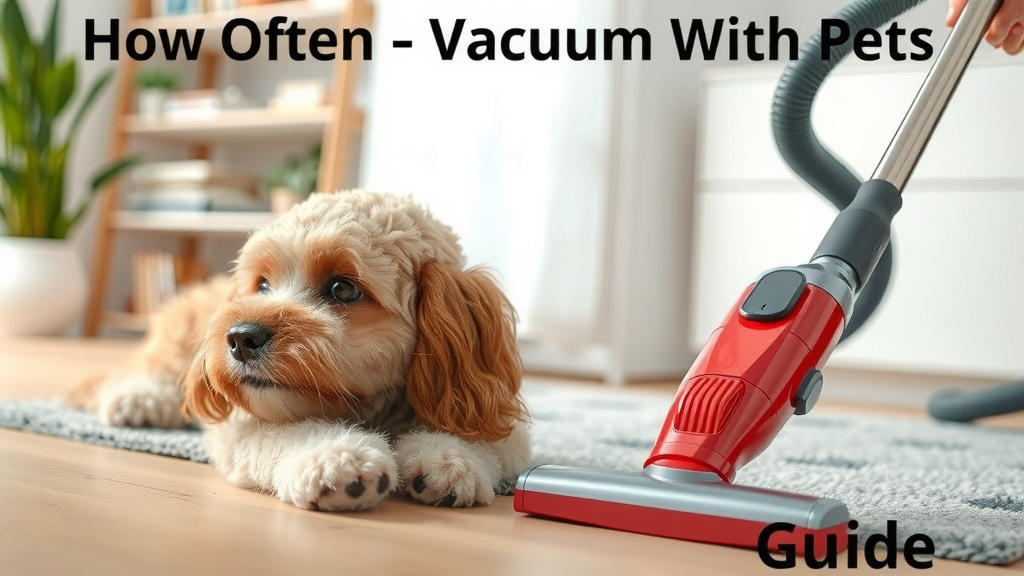
How Often to Vacuum With Pets: A Guide
If you have pets, you should vacuum your floors at least twice a week to manage pet hair and dander. For homes with multiple pets or pets that shed heavily, daily vacuuming might be necessary to keep your home clean and your allergies at bay. Consistent vacuuming is key to controlling pet dander and keeping allergens to a minimum.
Pet owners know that fur can get everywhere, from carpets to furniture. But it’s not just about looks; pet hair can trap dirt, allergens, and even bacteria. Regularly vacuuming helps remove these irritants, creating a healthier living environment for everyone in your household. We found that establishing a routine makes a big difference.
- Vacuum at least twice a week.
- Consider daily vacuuming if you have heavy shedders.
- Pet dander is a common allergen.
- Regular vacuuming reduces allergens and dirt.
- Choose a vacuum designed for pet hair.
Let’s walk through exactly how often you should be running that vacuum cleaner based on your specific pet situation.
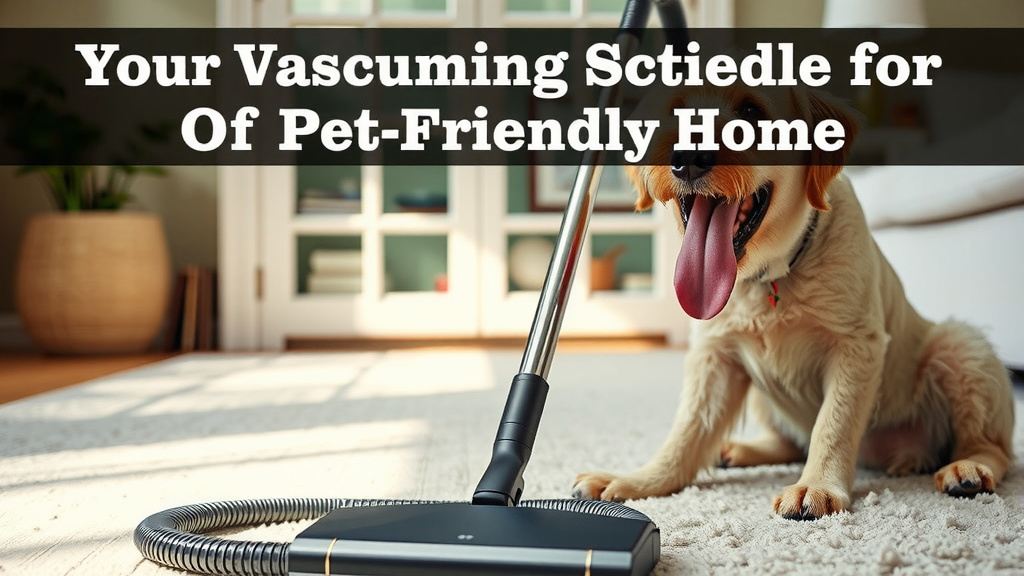
Your Vacuuming Schedule for a Pet-Friendly Home
Deciding how often to vacuum with pets involves looking at a few key factors. We found that a good rule of thumb is at least twice a week. This helps manage the daily accumulation of fur and dander. However, this frequency can change based on your pet’s shedding habits and the size of your home.
Understanding Your Pet’s Shedding Cycle
Some pets are champion shedders, while others leave only a few stray hairs. Heavy shedders might require daily attention. Think about breeds known for shedding, like German Shepherds or Golden Retrievers. Even shorter-haired pets can shed a surprising amount!
We found that pets often shed more during seasonal changes, like spring and fall. This is their way of adapting to temperature shifts. If your furry friend is going through one of these shedding seasons, you’ll likely need to increase your vacuuming frequency. It’s a battle against the fluff!
How Many Pets Do You Have?
One pet can create a noticeable amount of fur. Two or more pets? That’s a whole new ball game. The more pets you have, the more hair and dander will circulate in your home. If you have multiple furry roommates, consider bumping up your vacuuming to daily.
It might sound like a lot, but imagine the hair multiplying. Daily vacuuming becomes a way to keep things from getting overwhelming. Many pet owners with multiple animals find that a quick daily sweep makes a huge difference in cleanliness and air quality.
Beyond Hair: The Healthier Home Aspect
Vacuuming isn’t just about keeping your house looking tidy. It’s a critical step in maintaining a healthy environment for you and your family. Pet dander is a major trigger for allergies and asthma in many people (CDC). Regular vacuuming helps remove this microscopic irritant.
Battling Pet Dander and Allergens
Pet dander consists of tiny flecks of skin. It also attaches to pet hair, saliva, and urine. These allergens can linger in carpets, upholstery, and even on hard floors. If you or someone in your household suffers from allergies, consistent vacuuming is essential.
We found that frequent vacuuming can significantly reduce the amount of airborne allergens. This can lead to fewer allergy symptoms like sneezing, itchy eyes, and respiratory issues. It’s like giving your home a regular refresh for better breathing.
The Role of Vacuum Cleaner Technology
Not all vacuums are created equal, especially when it comes to pets. Look for vacuums specifically designed to tackle pet hair. These often have stronger suction and specialized brush rolls that can lift embedded fur from carpets. Many also feature advanced filtration systems, like HEPA filters, to trap dander and fine dust particles (Cleveland Clinic).
A vacuum with a sealed system is also a great feature. This ensures that the air and allergens sucked up are trapped inside the vacuum and not released back into your home. Investing in the right tool can make your vacuuming efforts much more effective.
Vacuuming Different Surfaces
Your vacuuming frequency might also depend on the type of flooring you have. Carpets are notorious for trapping pet hair and dander. Hardwood floors, tile, or linoleum are generally easier to clean and less likely to hold onto allergens.
If you have mostly carpeted areas, you’ll need to vacuum them more often than your hard floors. For high-traffic carpeted areas where your pets spend a lot of time, consider giving them extra attention. It’s about targeting the prime real estate for fur accumulation.
Creating a Realistic Vacuuming Routine
The best vacuuming schedule is one you can actually stick to. It’s better to vacuum three times a week consistently than to aim for daily and fall behind. Set reminders or integrate vacuuming into your weekly chores.
Consider breaking up the task. You could vacuum the main living areas on one day and bedrooms on another. This makes the job feel less daunting. Many pet owners find that doing a quick “sweep” with the vacuum in high-traffic zones each evening helps immensely.
A Quick Guide to Vacuuming Frequency
Here’s a simple breakdown to help you decide:
| Pet Situation | Recommended Vacuuming Frequency |
|---|---|
| One low-shedding pet, mostly hard floors | 1-2 times per week |
| One moderate-shedding pet, mixed flooring | 2-3 times per week |
| One heavy-shedding pet or multiple pets, mostly carpet | 4-7 times per week (daily is ideal) |
| Allergies in household, any pet type | Increase frequency by 1-2 days per week from baseline |
Remember, this is a guideline. You’ll know best when your home needs a vacuuming session. Look for visible fur, notice if allergies are acting up, or just feel the need for a refresh.
Tips for Efficient Pet Hair Vacuuming
To make your vacuuming more effective and less of a chore, try these tips:
- Prep the Area: Pick up toys, blankets, and other items that can get in the way.
- Go Slow: Don’t rush. Allow the vacuum’s suction and brush roll to work their magic.
- Multiple Passes: Go over high-traffic or heavily furred areas a couple of times.
- Don’t Forget Edges: Use attachments to get along baseboards and furniture where hair collects.
- Empty the Canister/Bag Regularly: A full vacuum won’t pick up as effectively.
Conclusion
Managing pet hair and dander is an ongoing process for any pet owner. We found that establishing a consistent vacuuming routine is your best defense. Remember that factors like your pet’s shedding habits, the number of pets you own, and any household allergies all play a role in determining the ideal frequency. Investing in the right vacuum cleaner can also make a big difference. The most important step is to choose a schedule you can stick to and get vacuuming!
Frequently Asked Questions
How often should I vacuum if my pet has allergies?
If your pet has allergies, you’ll want to vacuum more frequently. This helps reduce the allergens that can trigger their sensitivities and keep your home cleaner. Aim for at least 4-5 times a week, or even daily in high-traffic pet areas. This helps manage dander and other potential irritants.
Can I vacuum less often if I have a short-haired pet?
Even short-haired pets can shed a surprising amount of fur and dander. While you might not need to vacuum daily, we found that at least 2-3 times a week is still a good baseline. This frequency helps keep allergens under control for a healthier home environment. Adjust based on how much hair you actually see.
Does vacuuming hard floors require the same frequency as carpets?
No, hard floors generally don’t trap as much pet hair and dander as carpets do. You can likely vacuum hard floors 1-2 times a week. However, for areas where your pet frequently rests or walks, you might want to increase that. Focus on carpets, as they hold onto allergens more.
What if I have multiple pets and allergies in my household?
If you have multiple pets and family members with allergies, daily vacuuming is strongly recommended. This frequency is key to minimizing airborne allergens like dander. We found that consistent, daily effort makes the biggest impact on air quality and allergy symptom reduction. Consider a vacuum with a HEPA filter.
How do I know if I’m vacuuming enough for my pets?
You’ll know you’re vacuuming enough if you notice less visible pet hair around your home. Also, pay attention to allergy symptoms in your household – fewer sneezes and itchy eyes can be a good sign. If pet odors seem to linger, it might indicate more frequent vacuuming is needed. Trust your senses and your pet’s comfort.