How Often Should You Vacuum Your Mattress for Best Sleep
You should vacuum your mattress about once every two to three months. This regular cleaning helps remove dust mites, dead skin cells, and other allergens that can accumulate. Skipping this step can lead to a less hygienic sleeping environment for you and your family, impacting your overall sleep quality and health.
Beyond the basic dust, your mattress can harbor a surprising amount of debris. Think sweat, body oils, and even crumbs from late-night snacks! Regular vacuuming is a simple yet effective way to tackle these issues and maintain a fresher, cleaner bed. Many experts recommend this routine as part of general home hygiene, especially if you suffer from allergies.
- Vacuum your mattress every 2-3 months.
- This removes dust mites and dead skin cells.
- It helps improve sleep quality and bedroom air.
- Consider more frequent vacuuming if you have allergies.
Let’s walk through exactly how to get your mattress sparkling clean with your vacuum cleaner.
“`htmlHow Often Should You Vacuum Your Mattress? Aim for Every Few Months
You might be wondering just how often you should be giving your mattress a good vacuuming. The general consensus among cleaning experts and health professionals is to aim for once every two to three months. This consistent schedule helps keep your sleeping surface free from the microscopic invaders and everyday debris that can affect your health and sleep quality.
Think about it: your mattress is where you spend a third of your life. It collects dead skin cells, body oils, sweat, and dust. These are like a buffet for dust mites, which are a common allergen. Regular vacuuming is your first line of defense against these tiny, unwelcome guests. It’s a simple step that makes a big difference for your bedroom’s air quality.
Why Regular Mattress Vacuuming Matters
Vacuuming your mattress isn’t just about making it look cleaner. It’s about creating a healthier sleep environment. Let’s break down why this routine is so important for your well-being.
Fighting Dust Mites and Allergens
Dust mites are microscopic creatures that thrive in warm, humid environments – like your bed! They feed on dead skin cells, which we shed constantly. For many people, dust mite droppings are a major trigger for allergies and asthma symptoms. A study published by the National Institutes of Health (NIH) has linked dust mite allergies to respiratory issues.
By vacuuming your mattress, you’re actively removing these food sources and the mites themselves. It’s a direct way to reduce the allergen load in your bedroom, leading to fewer sniffles, sneezes, and itchy eyes. Consider it an essential part of managing allergies at home.
Removing Dead Skin Cells and Body Oils
Every night, your body sheds millions of skin cells. These cells, along with body oils and sweat, can seep into your mattress. Over time, this buildup can create a less-than-fresh environment and even contribute to odors. Vacuuming helps lift away these surface-level impurities before they can deeply penetrate the mattress fibers.
Eliminating Other Debris
Do you ever eat in bed? Or maybe your kids or pets hop up there with a snack? Crumbs, pet hair, and other small particles can easily find their way into your mattress. A thorough vacuuming session can remove this visible debris, making your bed feel much cleaner.
When to Vacuum Your Mattress More Frequently
While every two to three months is a good general guideline, certain situations call for more frequent attention to your mattress. If any of these sound like you, consider upping your vacuuming game.
For Allergy and Asthma Sufferers
If you or someone in your household suffers from allergies or asthma, especially those triggered by dust mites or pet dander, vacuuming more often is highly recommended. Many allergy organizations, like the Asthma and Allergy Foundation of America, suggest frequent cleaning of bedding and mattresses to minimize exposure.
Aim to vacuum your mattress at least once a month if allergies are a concern. This consistent effort can significantly reduce airborne allergens in your sleeping space.
If You Have Pets That Sleep on the Bed
Even the cleanest pets shed dander and can bring in outdoor debris. If your furry friends share your sleeping space, it’s a good idea to vacuum your mattress every four to six weeks. This helps manage pet dander and any other little bits they might track in.
After Illness or Spills
If you’ve been sick and spent a lot of time in bed, or if there’s been a spill on your mattress (even if cleaned), a vacuuming session afterward is a smart move. It helps remove any lingering germs, moisture, or residue that might have been left behind.
How to Vacuum Your Mattress Effectively
Now that you know how often to do it, let’s talk about the best way to get the job done. It’s simpler than you might think!
Gather Your Tools
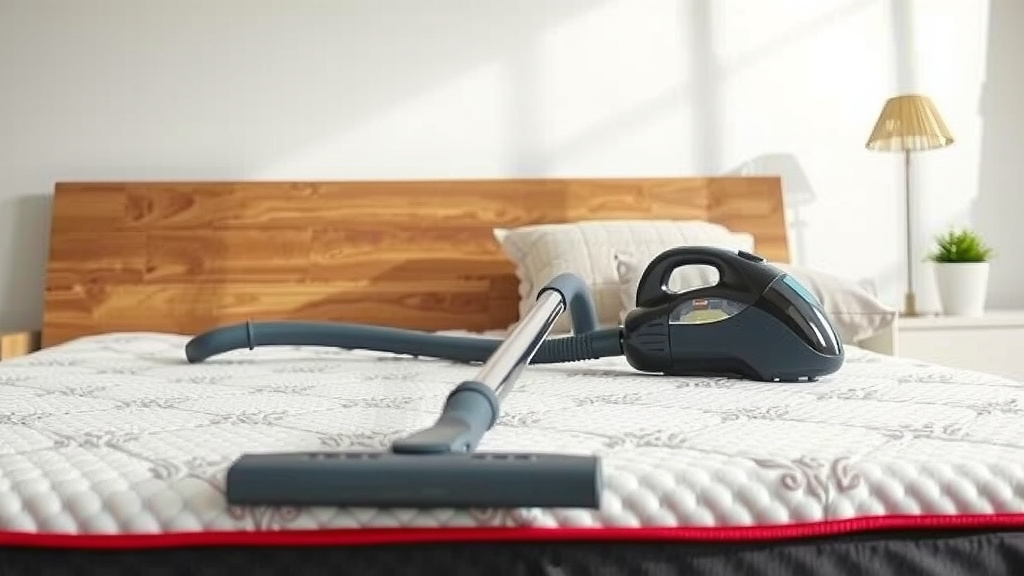
You’ll need a vacuum cleaner with a upholstery attachment and preferably a crevice tool. Make sure your vacuum has good suction power. If your vacuum has a HEPA filter, even better, as it helps trap tiny particles.
Prepare Your Mattress
Strip all your bedding from the mattress. This includes sheets, mattress protector, and any decorative pillows. You want a clear surface to work with.
Vacuuming Technique
Start with the top surface of your mattress. Use the upholstery attachment and move in slow, overlapping strokes. Work section by section to ensure you cover the entire area. Pay extra attention to seams, tufts, and quilting, as these are prime spots where dust and debris can collect.
Next, use the crevice tool to get into the edges and seams of the mattress. This is where dust mites love to hide. Don’t forget the sides of your mattress; go around the entire perimeter.
Finally, if your mattress is easily movable, flip it over and repeat the process on the other side. This ensures a thorough clean. Remember to vacuum the box spring too, if you have one!
Don’t Forget the Bedding!
While you’re at it, wash your sheets, pillowcases, and mattress protector in hot water. Hot water helps kill dust mites and remove allergens effectively. Many experts recommend washing bedding weekly in hot water (CDC guidelines for germ control suggest this for general hygiene).
What Not to Do When Vacuuming Your Mattress
There are a few common mistakes people make. Avoiding these will help you get the best results and protect your mattress.
Don’t Use Harsh Chemicals
When vacuuming, stick to the vacuum’s suction. Avoid spraying cleaning chemicals directly onto the mattress. Most mattresses aren’t designed to be saturated with liquids or harsh cleaners, which can damage the materials or leave residues.
Don’t Skip the Crevices
Those seams and edges might seem small, but they’re hiding places for allergens. Make sure you use your crevice tool to really get into those areas. It’s often where the most dust accumulates.
Don’t Use a Vacuum with Weak Suction
A weak vacuum just won’t cut it. You need enough power to lift debris from the mattress fibers. If your vacuum cleaner is old or not very powerful, consider renting a stronger one or investing in a new model specifically designed for upholstery.
Your Mattress Cleaning Checklist
Here’s a quick rundown to keep you on track:
- Schedule it: Put a reminder in your calendar for every 2-3 months.
- Gather supplies: Ensure you have the right vacuum attachments.
- Strip it down: Remove all bedding for easy access.
- Top to bottom: Vacuum the entire surface thoroughly.
- Hit the seams: Use the crevice tool on all edges and tufts.
- Don’t forget the sides: Clean all around the mattress perimeter.
Conclusion
You now know that vacuuming your mattress every two to three months is key for a healthier sleep environment. This simple habit combats dust mites, dead skin cells, and other common bedroom allergens. For allergy sufferers or pet owners, increasing this frequency can make a big difference in air quality.
Regular vacuuming protects your health and improves your sleep. Make it a part of your home cleaning routine. Now is the perfect time to grab your vacuum and give your mattress the attention it deserves!
Frequently Asked Questions
How often should I vacuum my mattress if I don’t have allergies?
If you don’t have allergies or pets, vacuuming your mattress every two to three months is generally sufficient. This regular schedule helps maintain a clean sleeping surface and removes typical build-up like dead skin cells and dust.
Can vacuuming really make a difference for my allergies?
Yes, vacuuming your mattress can significantly help with allergies. It removes dust mites, their droppings, and other allergens that accumulate over time, reducing the triggers in your bedroom air and potentially easing symptoms.
Should I vacuum my mattress more often in the summer?
You might consider vacuuming your mattress slightly more often in the summer if you live in a humid climate. Higher humidity can encourage dust mite activity, so an extra vacuuming session every 6-8 weeks could be beneficial.
What kind of vacuum attachment is best for mattress cleaning?
The best attachment for vacuuming your mattress is the upholstery tool. It’s designed to gently lift debris from fabric surfaces without causing damage. A crevice tool is also essential for getting into seams and edges.
How do I vacuum my box spring?
You should vacuum your box spring just like your mattress. Use the upholstery attachment to cover the fabric surface and the crevice tool to clean along the edges and any seams. It’s often overlooked but collects just as much dust.
![7 Best Cordless Handheld Vacuum Cleaner For Car [2026]](https://bathroomexplorer.com/wp-content/uploads/2026/05/7-best-cordless-handheld-vacuum-cleaner-for-car-2026-featured-768x432.jpg)

![7 Best Car Vacuum For Tesla [2026]](https://bathroomexplorer.com/wp-content/uploads/2026/05/7-best-car-vacuum-for-tesla-2026-featured-768x432.jpg)