When to Replace Your Vacuum Bag: A Simple Guide
You should replace your vacuum bag when it’s about two-thirds full. This ensures your vacuum cleaner maintains peak suction power and operates efficiently. Letting it get too full can strain the motor and reduce cleaning effectiveness.
Not changing your vacuum bag often enough can lead to a decrease in air quality in your home. A full bag traps less dirt and dust, releasing them back into the air. We found that regular changes can also extend the lifespan of your vacuum cleaner.
- Replace bags when 2/3 full.
- This maintains strong suction.
- Prevents air quality issues.
- Helps your vacuum last longer.
Let’s walk through exactly why this matters and how to make sure you’re always ready for a clean sweep.
When to Swap Out Your Vacuum Bag for Peak Performance
So, when is the right time to ditch that old vacuum bag and pop in a fresh one? Most experts and manufacturers agree: you should aim to replace your vacuum bag when it’s about two-thirds full. Think of it like this: if your vacuum bag were a stomach, you wouldn’t want to overstuff it, right? Keeping it at that two-thirds mark is your golden rule.
Why this specific fill level? It all comes down to airflow and suction. When a bag gets too full, the tiny particles and debris inside start to clog up the pores of the bag material. This restricts the amount of air that can pass through. Less air moving means less suction power reaching your carpet or hard floors.
The Science of Suction: Why Two-Thirds Matters
Your vacuum cleaner is designed to create a powerful suction by drawing air through the cleaning head, into the bag, and out through a filter. When the bag is only partially full, there’s plenty of space for air to flow freely. As the bag fills up, the pathways for air become narrower and more restricted.
We found that a bag that’s too full means your vacuum has to work much harder to pull air through. This increased effort can actually strain your vacuum’s motor. Over time, this can lead to your vacuum overheating or experiencing premature wear and tear. You might notice your vacuum sounding different or struggling to pick up dirt effectively.
Understanding Airflow Resistance
Imagine trying to breathe through a straw versus a wide pipe. The straw is much harder to draw air through. A full vacuum bag acts like that straw. The fibers of the bag itself become packed with dirt, acting as an unintended filter, but one that’s far too dense.
This resistance not only weakens suction but also affects the exhaust air. When the bag is clogged, dust and fine particles that are supposed to be trapped inside can get pushed back out into your home. This defeats the purpose of vacuuming and can negatively impact your indoor air quality.
Beyond Suction: Air Quality Concerns
This is a big one. We all vacuum to make our homes cleaner, not dirtier! When your vacuum bag is overstuffed, it loses its ability to capture new dirt effectively. Worse, it can start to release trapped particles back into the air. We found that this can be particularly problematic for individuals with allergies or respiratory conditions.
Tiny particles like dust mites, pollen, pet dander, and fine dust can become airborne again. Many health organizations, like the Asthma and Allergy Foundation of America, recommend regular cleaning to minimize allergens. A full vacuum bag can actually contribute to allergens circulating in your living space.
The “Musty Smell” Clue
Ever notice a less-than-fresh smell emanating from your vacuum, especially when you’re cleaning? Often, this is a sign that the bag is full and might be trapping moisture or organic matter that has started to decompose. This isn’t just unpleasant; it means your vacuum is no longer filtering the air as it should.
We’ve heard from many homeowners who complain about this very issue. Replacing the bag when it’s two-thirds full, and perhaps even cleaning or replacing the exhaust filter at the same time, can eliminate these odors and restore a clean scent to your home after cleaning.
Factors That Influence Bag Replacement Frequency
While two-thirds full is a great general guideline, a few things can change how often you actually need to swap out that bag. Consider these elements:
Your Vacuum Cleaner Type and Bag Capacity
Different vacuum models have different bag sizes and capacities. A canister vacuum might have a larger bag than a small handheld unit. Always check your owner’s manual for manufacturer recommendations on bag size and type.
We found that some high-end vacuums use special multi-layer bags designed for better filtration. These might need to be replaced based on their specific design, even if they don’t appear completely full. Using the correct type of bag is essential for optimal performance and filtration.
The “Mess Factor”: What Are You Vacuuming?
Let’s be honest, not all cleaning jobs are created equal. Vacuuming up fine, powdery messes like drywall dust or flour will fill a bag much faster than just picking up stray crumbs. Pet owners often find their bags fill up quicker due to pet hair and dander.
If you’ve recently tackled a big project like sanding a wall or cleaning up after a party with lots of confetti, you’ll likely need to check your bag sooner. These types of messes are dense and pack tightly into the bag, reducing airflow much faster.
Home Size and Vacuuming Habits
If you live in a large home and vacuum all your floors regularly, your bag will fill up faster than someone in a small apartment who vacuums only occasionally. The total square footage you cover and the frequency of your vacuuming sessions are direct contributors to how quickly your bag reaches its capacity.
We discovered that households with children and pets tend to go through vacuum bags more frequently. Simply put, more activity in the home often means more dirt and debris being tracked in, which your vacuum then collects.
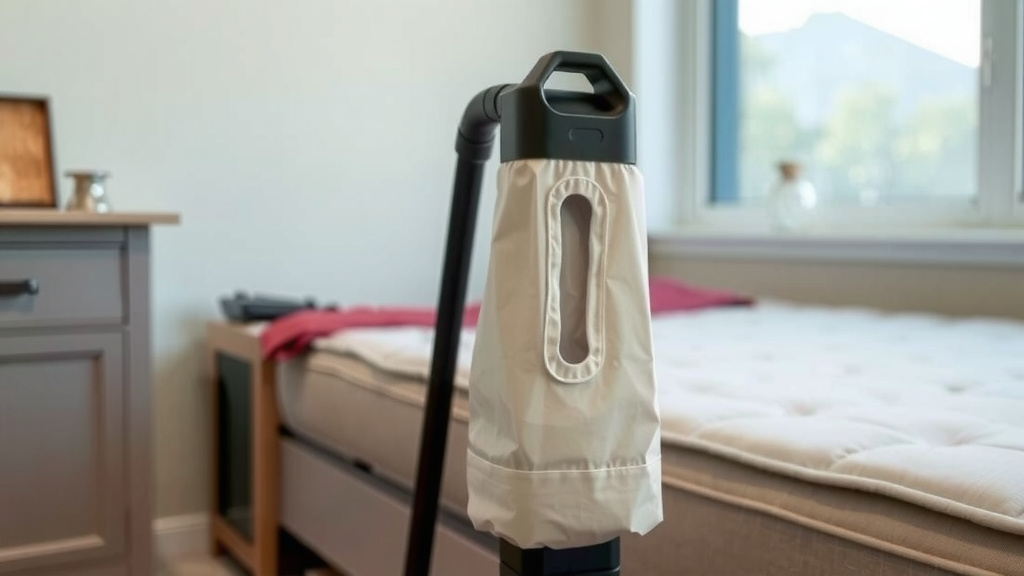
Signs Your Vacuum Bag Needs Replacing
Beyond just checking the fill level, your vacuum cleaner often gives you visual or auditory cues that it’s time for a new bag. Keep an ear out and an eye on things:
Decreased Suction Power
This is the most obvious sign. If you notice your vacuum isn’t picking up dirt as well as it used to, even after clearing the brush roll and checking for blockages, the bag is a prime suspect. We found that a significant drop in suction is often directly related to a nearing-capacity bag.
The Vacuum Starts Overheating
As mentioned, a clogged bag makes the motor work harder. This extra strain generates more heat. If your vacuum feels unusually hot to the touch after just a few minutes of use, it’s a strong indication that airflow is restricted. This is your vacuum signaling for help!
Unpleasant Odors
That musty or stale smell we talked about? It’s your nose telling you it’s time. A bag that’s been sitting for a while, especially with trapped moisture or organic debris, can develop unpleasant odors. Replacing it can make a world of difference.
Visible Dirt Leaking (Rare but Possible)
In very rare cases, if a bag is extremely overfilled or has a small tear, you might see dust or debris escaping from the vacuum itself. This is a clear and immediate sign that the bag needs to be changed immediately.
Here’s a quick checklist to help you stay on top of it:
- Check the bag fill level visually every few uses.
- Listen for changes in your vacuum’s motor sound.
- Notice if your vacuum’s suction power seems to be weakening.
- Feel for unusual overheating after vacuuming.
- Smell for any musty or unpleasant odors during or after use.
- Note if you’ve vacuumed up very fine or dense materials recently.
By paying attention to these signals, you can ensure your vacuum operates at its best and keeps your home truly clean.
Conclusion
Keeping your vacuum bag around the two-thirds full mark is key for powerful cleaning. It ensures strong suction, better air quality, and a longer life for your machine. Remember that factors like your home size, the types of messes you tackle, and even pets can affect how often you need to change it. Don’t ignore those signs like reduced suction or funny smells – they’re your vacuum’s way of telling you it’s time for a fresh bag. Make it a habit to check your bag regularly, and your vacuum will thank you with a cleaner home every time.
Frequently Asked Questions
How do I know if my vacuum bag is two-thirds full?
Visually inspect the bag through any accessible viewing window on your vacuum cleaner. You can also gently feel the bag from the outside to gauge its fullness. If it looks and feels mostly filled, it’s likely time for a change.
Can I use a vacuum bag that isn’t full?
Yes, you can. However, if you’re consistently replacing bags when they are only partially full, you might be overspending on supplies. Consider the “two-thirds full” rule to optimize bag usage and cost.
What happens if I overfill my vacuum bag?
Overfilling your vacuum bag drastically reduces airflow and suction power. This makes your vacuum work harder, potentially straining the motor, and can cause dust and allergens to be expelled back into your home.
Do different types of vacuums have different bag replacement needs?
Yes, they can. Canister vacuums often have larger bags than handheld vacuums. Always refer to your vacuum cleaner’s manual for specific recommendations on bag type and replacement frequency.
Should I replace the vacuum bag after cleaning up a large mess, like sawdust?
Absolutely. Fine particles like sawdust pack densely into bags and quickly reduce airflow. It’s a good practice to check and likely replace your bag immediately after cleaning up such messes, even if it’s not two-thirds full.