How Often to Vacuum Your Room for a Clean Home
How often should you vacuum your room? Most experts recommend vacuuming your floors at least once a week to keep them clean and healthy. For busy households with pets or kids, you might need to vacuum two or more times a week. This frequent cleaning helps remove dust, allergens, and debris.
Regular vacuuming isn’t just about looks; it’s about your home’s overall health. It can reduce the amount of dust mites, pet dander, and other microscopic irritants that settle in carpets and rugs. Many find that sticking to a routine makes the task feel much more manageable. You’ll notice a real difference in your air quality.
- Vacuum most rooms weekly.
- High-traffic areas may need vacuuming 2-3 times per week.
- Homes with pets or allergies should vacuum more often.
- Deep cleaning is recommended seasonally.
Let’s break down the best schedule for your vacuuming needs and discuss how to make it a breeze.
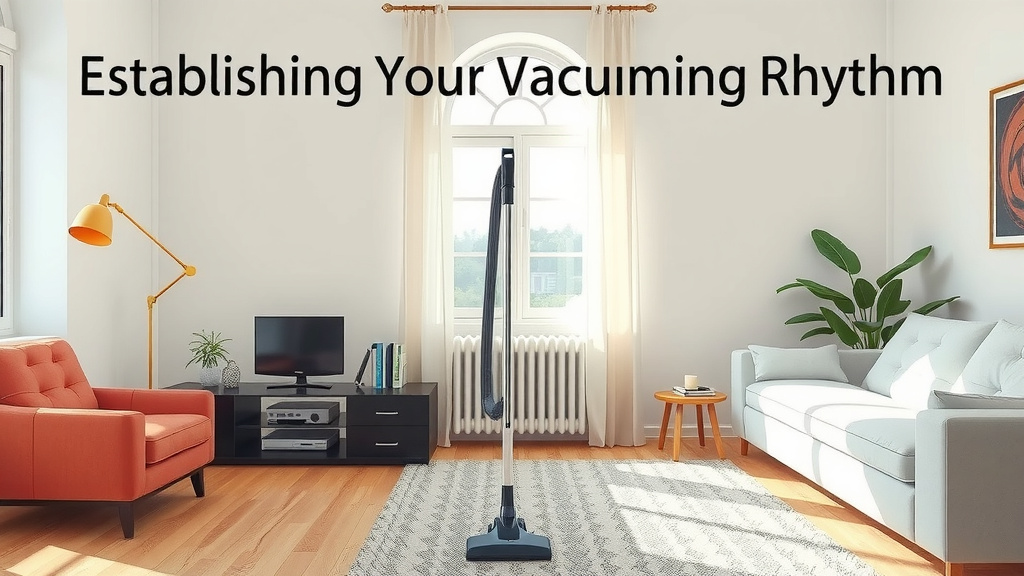
Establishing Your Vacuuming Rhythm
So, how often should you really be running that vacuum cleaner? We know life gets busy, and cleaning can easily slip down the priority list. But the consensus from cleaning experts and health organizations is clear: aiming for a weekly vacuum is a great starting point for most homes.
This regular upkeep isn’t just about making your floors look nice. It’s a key step in maintaining a healthier living environment for you and your family. Think of it as a regular health check for your home.
Factors That Influence Your Vacuuming Frequency
While once a week is a good general rule, your specific situation might call for a different schedule. Several factors can increase how often you need to pull out the vacuum.
The Pet Factor: Furry Friends and Frequent Cleaning
Do you share your home with a dog or cat? If so, you’re likely no stranger to pet hair and dander. Pet owners often need to vacuum two to three times a week, or even more, to keep shedding under control.
Pet dander is a common allergen and can contribute to respiratory issues for sensitive individuals. Frequent vacuuming helps to minimize these irritants, making your home more comfortable. It also helps prevent that distinct “pet smell” from taking hold.
Kids, Chaos, and Crumbs
Children can be wonderful, but they also tend to be little crumb-dropping machines! If you have young kids, especially those who are crawling or playing on the floor, you might find yourself vacuuming more than once a week.
Daily spot-cleaning of high-traffic areas, like the kitchen or play areas, might be necessary. A quick sweep with the vacuum can make a big difference in reducing tracked-in dirt and dropped snacks.
Allergies and Asthma: A Cleaner Air Approach
For households dealing with allergies or asthma, frequent vacuuming is especially important. Dust mites, pollen, mold spores, and pet dander are common triggers that can accumulate in carpets and rugs.
The Centers for Disease Control and Prevention (CDC) recommends regular cleaning to reduce indoor allergens. For those with significant sensitivities, vacuuming multiple times per week, using a vacuum with a HEPA filter, can lead to noticeable improvements in air quality and fewer allergy symptoms.
High-Traffic Areas Need Extra Love
Think about the areas in your home that get the most foot traffic. Entryways, hallways, living room main pathways, and the areas around your dining table are prime examples.
These spots tend to collect dirt, debris, and wear down carpets faster. It’s a good idea to give these areas a quick vacuum every few days, even if the rest of the room is on a weekly schedule. This prevents dirt from getting ground into the fibers.
Understanding Different Floor Types and Vacuuming Needs
Not all floors are created equal when it comes to vacuuming. The type of flooring you have will influence both your vacuuming frequency and the type of vacuum you should use.
Carpet vs. Hardwood vs. Tile
Carpets and rugs are notorious dust and allergen traps. They require more frequent vacuuming to keep them clean and free of microscopic invaders.
Hardwood floors and tile are easier to clean. While debris can still accumulate, it doesn’t get as deeply embedded. You might get away with vacuuming or sweeping these surfaces once a week, or even less often if they don’t get much foot traffic.
Choosing the Right Vacuum for Your Floors
Using the correct vacuum cleaner for your floor types is essential. A vacuum designed for high-pile carpets might be too harsh for delicate hardwood floors.
Look for vacuums with adjustable settings or attachments. Many modern vacuums offer specialized modes for different surfaces, ensuring efficient cleaning without causing damage. A vacuum with a good filtration system is particularly beneficial for allergy sufferers (Cleveland Clinic).
Creating a Realistic Vacuuming Schedule
Let’s put it all together. Here’s a simple way to think about your vacuuming schedule:
| Room/Area | Recommended Frequency | Notes |
|---|---|---|
| Bedrooms | Once a week | Generally lower traffic |
| Living Room/Family Room | Once a week, high-traffic spots 2-3 times/week | Main gathering areas |
| Kitchen/Dining Area | Once a week, high-traffic spots 2-3 times/week | Prone to crumbs and spills |
| Entryways/Hallways | Twice a week | Collects dirt tracked from outside |
| Homes with Pets | 2-3 times a week for the whole house | Dander and hair management |
| Homes with Allergies/Asthma | 2-3 times a week, or more as needed | Focus on HEPA filter vacuums |
The Weekly Vacuuming Routine: Your Goal
Your primary goal should be to vacuum the main living areas and bedrooms at least once every seven days. This is achievable with a little planning.
When to Go Above and Beyond
If pets are shedding heavily, kids are constantly playing on the floor, or allergy symptoms are flaring, don’t hesitate to vacuum more often. A quick touch-up in the middle of the week can make a world of difference.
Deep Cleaning vs. Regular Vacuuming
Regular vacuuming keeps everyday dirt and allergens at bay. However, periodic deep cleaning is also important. This might involve professional carpet cleaning or using a carpet shampooer.
Many experts suggest deep cleaning carpets and rugs once or twice a year. This removes stubborn grime and allergens that regular vacuuming can’t quite reach. Think of it as a spring cleaning for your floors!
Making Vacuuming Easier
Nobody enjoys spending hours vacuuming. Here are a few tips to make the task feel less daunting:
- Schedule it: Put vacuuming on your calendar. Treat it like any other important appointment.
- Break it up: Don’t feel like you have to do it all at once. Vacuum the upstairs one day, downstairs the next.
- Tidy up first: Pick up toys, clothes, and other items before you start. This makes vacuuming much faster.
- Invest in a good vacuum: A powerful, lightweight, and easy-to-maneuver vacuum can significantly reduce the effort required.
- Get the whole family involved: Assign vacuuming duties to older children or other household members. Teamwork makes the dream work!
- Spot clean as needed: Address spills and messes immediately rather than waiting for them to become ingrained.
Conclusion
You’ve learned that vacuuming frequency isn’t one-size-fits-all. While once a week is a solid baseline for most homes, factors like pets, children, allergies, and high-traffic areas mean you might need to step it up. Establishing a routine tailored to your household makes maintaining a clean and healthy living space much more manageable. Your next step is to assess your home’s unique needs and adjust your vacuuming schedule accordingly. You’ve got this!
Frequently Asked Questions
How often should I vacuum if I have shedding pets?
If you share your home with furry friends, research suggests vacuuming two to three times per week, or even more, is ideal. This frequency helps control pet dander and hair, reducing allergens and keeping your home smelling fresh. Consistent vacuuming prevents fur from accumulating in carpets and on furniture.
Is it okay to vacuum my hardwood floors less than once a week?
Yes, for hardwood floors that don’t see heavy foot traffic, you can often vacuum or sweep them less than weekly. Dirt and debris don’t embed as deeply into hard surfaces compared to carpets. A quick sweep every 7-10 days might suffice, but check them visually to be sure.
Do I need a special vacuum for allergies?
For allergy sufferers, using a vacuum with a HEPA filter is highly recommended by health organizations. This type of filter is designed to trap tiny particles like dust mites, pollen, and pet dander more effectively. Regular vacuuming with a HEPA filter can noticeably improve your indoor air quality.
How can I make vacuuming less of a chore?
To make vacuuming easier, try breaking it up throughout the week instead of doing it all at once. Tidy up clutter before you start, as this speeds up the process significantly. Also, ensure you have a lightweight and user-friendly vacuum cleaner. Getting the whole family involved can also make the task much quicker.
Should I deep clean my carpets even if I vacuum regularly?
Absolutely. Regular vacuuming tackles everyday dirt and allergens, but periodic deep cleaning is essential. Experts recommend deep cleaning carpets once or twice a year to remove stubborn grime and microscopic irritants that regular vacuuming might miss. This ensures your carpets remain truly clean and healthy.