How Often Should You Vacuum Your Mattress
You should vacuum your mattress about once every 2-3 months to remove dust mites, dead skin cells, and other allergens. This regular cleaning helps maintain a fresher sleeping environment and can improve your overall sleep quality. Think of it as a mini spa treatment for your bed!
Skipping this simple step can lead to a buildup of microscopic gunk that can affect your health. While it might seem like a chore, vacuuming your mattress is an important part of bedding hygiene. Many experts agree that it’s a small effort for a big difference in your bedroom’s air.
TL;DR:
- Vacuum your mattress every 2-3 months.
- This removes dust mites and allergens.
- It leads to a cleaner sleeping space.
- It’s a simple step for better sleep hygiene.
Below, we’ll walk you through exactly how often you should be vacuuming your mattress and why it matters so much.
You might be wondering how often you really need to vacuum your mattress. We found that aiming for about once every two to three months is a good rhythm. This frequency helps keep your sleeping surface free from the tiny critters and dust bunnies that love to call mattresses home.
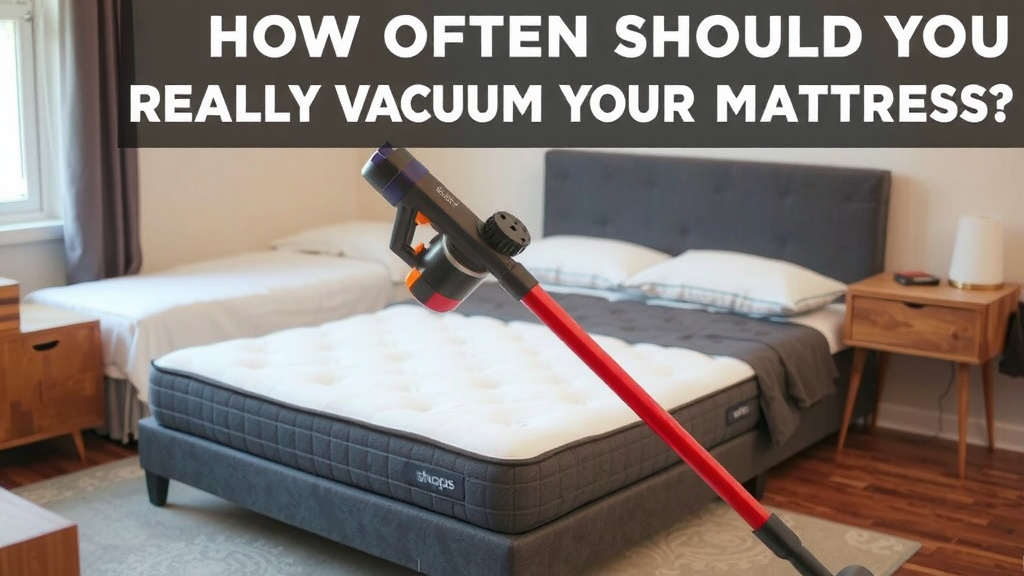
How Often Should You Really Vacuum Your Mattress?
The sweet spot for vacuuming your mattress is typically every two to three months. This consistent schedule works wonders for maintaining a clean and healthy sleep environment. It’s a small habit that can make a big difference in your bedroom’s air quality.
The Importance of a Clean Mattress Surface
Your mattress is more than just a place to sleep. It’s a magnet for things you’d rather not think about. Over time, it can accumulate dust, dead skin cells, sweat, and even tiny dust mites. These aren’t just unpleasant; they can be triggers for allergies and asthma. Regular vacuuming helps remove these irritants, creating a more breathable space.
We found that many common household allergens can settle into your mattress fibers. Dust mites, in particular, thrive in warm, humid environments, which your bed can sometimes become. By vacuuming, you’re essentially performing a deep clean, removing these microscopic inhabitants before they become a bigger problem. It’s a simple step for better breathing while you sleep.
Factors That Might Require More Frequent Vacuuming
While every 2-3 months is a good general rule, some situations call for more frequent attention. Think of it like this: if you’re in a high-traffic area for dust, you’ll want to clean more often.
Seasonal Allergies and Dust
If you or someone in your household suffers from seasonal allergies, you might want to increase vacuuming frequency. During peak allergy seasons, pollen and other airborne irritants can settle heavily on surfaces. Vacuuming your mattress more often, perhaps once a month during these times, can provide much-needed relief. We found that reducing allergen load directly impacts allergy symptoms for many people (CDC).
Pets in the Bedroom
Do you share your bed with a furry friend? Pets can introduce dander, hair, and even tiny bits of outdoor debris onto your mattress. If your pet sleeps on the bed with you, consider vacuuming your mattress every 4-6 weeks. It helps manage pet-related allergens and keeps things fresh.
Health Conditions
For individuals with asthma, severe allergies, or other respiratory issues, a pristine sleeping environment is even more critical. In these cases, vacuuming your mattress monthly is often recommended by health professionals. A clean mattress means fewer irritants for sensitive lungs. We found that regular cleaning of bedding surfaces is a key recommendation for asthma management (NIH).
Recent Illness or Spills
If someone in the house has been sick, or if you’ve had any spills or accidents on the mattress, a thorough vacuuming is a good idea. This is especially true if liquids have soaked into the mattress. You’ll want to address those areas promptly to prevent mold or mildew growth. This isn’t strictly a “frequency” issue, but it highlights the need for immediate attention when needed.
What You’ll Need to Vacuum Your Mattress
Before you get started, gather your tools. Having everything ready makes the process smooth and efficient. You don’t need fancy equipment; most standard vacuum cleaners will do the job.
- Your Vacuum Cleaner: Most vacuums come with attachments.
- Upholstery Tool: This is the most important attachment. It’s usually a wider, flatter head with a fabric strip. It’s designed for soft surfaces like furniture and, of course, mattresses.
- Crevice Tool: This long, narrow attachment is great for getting into seams and edges.
- A Clean Mattress: Ensure it’s dry if there were any recent spills.
The Best Way to Vacuum Your Mattress: A Step-by-Step Guide
Now that you know *how often* and *what you need*, let’s dive into the *how-to*. It’s a straightforward process, but doing it correctly makes a difference.
Step 1: Strip Your Bedding
Start by removing all your sheets, pillowcases, blankets, and mattress protector. Wash these items according to their care labels. This is a good time to let your mattress air out a bit. Fresh air is always a good thing!
Step 2: Use the Right Attachment
Attach the upholstery tool to your vacuum hose. This tool is designed to gently lift dirt and debris from fabric surfaces without causing damage. If your vacuum doesn’t have one, you might be able to purchase one separately. Many experts suggest this is the most effective tool for the job.
Step 3: Vacuum the Top Surface
Begin vacuuming the main surface of your mattress. Work in slow, overlapping horizontal and then vertical strokes. This ensures you cover every inch. Pay attention to where you usually sleep, as this area tends to accumulate more skin cells.
Step 4: Tackle the Sides and Seams
Switch to the crevice tool for the edges and seams of your mattress. This is where dust, crumbs, and other small particles love to hide. Go slowly and thoroughly along all the seams and piping. This often-missed area can harbor a surprising amount of gunk.
Step 5: Don’t Forget the Underside (If Accessible)
If your mattress is accessible from the bottom (e.g., it’s not a solid platform bed), flip it over and repeat the vacuuming process. This gives it a truly comprehensive clean. We found that even accessible undersides can collect dust over time.
Step 6: Re-Dress Your Bed
Once you’re finished vacuuming, you can put your freshly washed bedding back on your mattress. Enjoy the feeling of a clean and refreshed sleep space!
What About Mattress Covers?
Using a mattress protector is a fantastic first line of defense. A good quality protector can guard against spills, stains, and even dust mites. However, we found that even with a protector, dust and allergens can still accumulate on the mattress itself, especially around the edges and seams. Therefore, vacuuming remains a necessary step.
Think of the mattress protector like your favorite rain jacket. It keeps the worst of the elements off, but you still need to clean the jacket itself from time to time. Similarly, your mattress protector should be washed regularly (usually with your sheets). And don’t forget to vacuum the mattress underneath it periodically!
Quick Mattress Vacuuming Checklist
Here’s a quick reminder of the key steps to keep you on track:
- Assess your needs: Do you have allergies, pets, or live in a dusty area?
- Gather your tools: Vacuum with upholstery and crevice attachments.
- Strip and wash bedding: Start with a clean slate.
- Vacuum thoroughly: Cover top, sides, and seams in multiple directions.
- Don’t forget the underside: If possible, flip and clean.
- Re-make your bed: Enjoy your refreshed sleep zone!
Conclusion
You’ve learned that vacuuming your mattress every 2-3 months is a smart move for a healthier sleep space. This simple habit tackles allergens and dust mites, making a real difference in your bedroom’s air quality. Remember, consistency is key, but adjust based on your household’s needs. If allergies or pets are a concern, aim for monthly cleanings. Taking just a few minutes for this task means you’re investing in better sleep and overall well-being. Your next step? Grab your vacuum and schedule your mattress refresh!
Frequently Asked Questions
Can I vacuum my mattress with a regular household vacuum?
Yes, you can! Most household vacuums come with attachments perfect for the job. Make sure to use the upholstery tool for the main surfaces and the crevice tool for seams and edges to get a thorough clean.
How often should I vacuum if I have pets?
If your furry friends share your bed, it’s a good idea to vacuum more often. Consider cleaning your mattress every 4-6 weeks to manage pet dander and hair effectively. This helps reduce allergens for a fresher sleeping environment.
Is vacuuming really necessary if I use a mattress protector?
Yes, it’s still beneficial. A mattress protector is a great first defense against spills and mites, but dust and allergens can still settle on the mattress itself, especially in seams. Vacuuming under the protector periodically ensures a deeper clean.
What if I can’t flip my mattress to vacuum the underside?
Don’t worry if you can’t flip your mattress. Focus on thoroughly vacuuming the top, sides, and all the seams and edges. Even without vacuuming the underside, you’ll still remove a significant amount of dust and allergens.
How long does it take to vacuum a mattress?
Vacuuming your mattress typically takes about 10-15 minutes. This includes stripping the bed, vacuuming all surfaces and crevices, and then re-making your bed. It’s a quick task for a big improvement in your sleep hygiene.

![7 Best Home Vacuum Cleaner For Pet Hair [2026]](https://bathroomexplorer.com/wp-content/uploads/2026/06/7-best-home-vacuum-cleaner-for-pet-hair-2026-featured-768x432.jpg)