How Robot Vacuums Work: A Comprehensive Guide
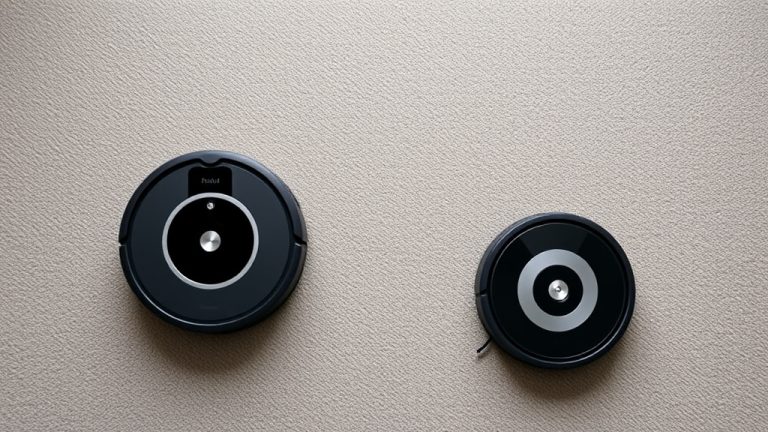
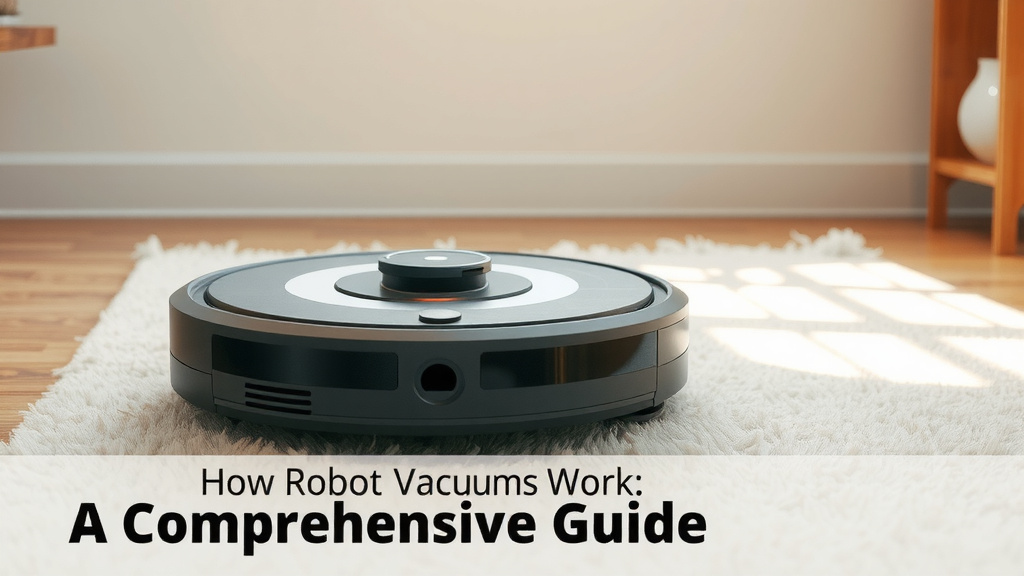
Robot vacuums work by using a combination of sensors, brushes, and a suction motor to autonomously clean your floors. They navigate your home using a system of sensors to detect obstacles and map out rooms. These smart devices then create an efficient cleaning path, ensuring no spot is missed. You get a clean home with minimal effort.
These amazing gadgets have come a long way! Early models were pretty basic. Today’s robot vacuums use advanced technology like laser mapping and even cameras to understand your home’s layout. This allows them to avoid furniture, stairs, and pets. They can even learn to clean specific rooms on a schedule you set.
- Robot vacuums use sensors to navigate and avoid obstacles.
- They have brushes to sweep debris towards the suction inlet.
- Smart mapping technology helps them clean efficiently.
- Many models can be controlled via smartphone apps.
- Robot vacuums offer a convenient way to maintain clean floors.
Let’s walk through exactly how these little cleaning helpers do their magic, step by step.
“`htmlUnderstanding Your Robot Vacuum’s Cleaning Secrets
Robot vacuums are like tiny, smart helpers for your floors. They clean without you lifting a finger. But how do they actually get the job done? It’s a clever mix of technology working together. Let’s break down the magic behind these autonomous cleaners.
The Brains of the Operation: Navigation and Mapping
Before your robot vacuum can clean, it needs to know where it’s going. This is where its navigation system comes into play. Think of it as the robot’s eyes and ears.
Sensors: The Robot’s Senses
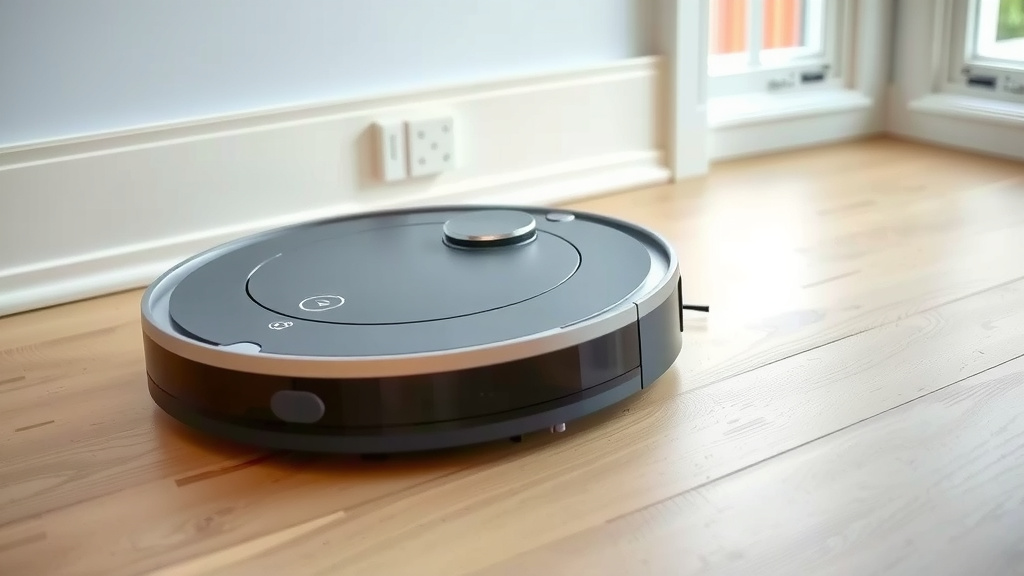
Most robot vacuums are equipped with a variety of sensors. These allow them to understand their surroundings. You’ll find infrared sensors. These help detect walls and furniture. They prevent the robot from crashing into things. There are also cliff sensors. These are super important. They stop the robot from tumbling down stairs. Imagine a little detective on wheels, carefully feeling its way around.
Mapping: Creating a Virtual Map
Some advanced models use mapping technology. This is a big step up from basic bump-and-turn robots. They create a detailed map of your home. This can be done using lasers (LiDAR) or cameras. The robot builds this map on its first few runs. It remembers where rooms are. It also notes the location of furniture. This map helps it plan the most efficient cleaning path. You can often see this map in a smartphone app. It’s like giving your robot a blueprint of your house.
Random vs. Systematic Cleaning Paths
Older or simpler models might use a random cleaning pattern. They just bounce around until they think they’ve covered everything. This can sometimes lead to missed spots. Newer, smarter robots use systematic patterns. They clean in neat rows. This ensures they cover every inch of the floor. They won’t miss that dusty corner behind the sofa. This systematic approach is much more thorough.
The Cleaning Crew: Brushes and Suction
Once your robot knows where to go, it’s time for the actual cleaning. This involves brushes and a powerful suction motor.
The Workhorse Brushes
Robot vacuums typically have at least two types of brushes. There are often side brushes. These spin outwards. They sweep dirt and debris from the edges of rooms. They pull things out from under baseboards and furniture legs. Then, there’s the main roller brush. This is usually located underneath the robot. It agitates carpets and loosens dirt from hard floors. This dirt is then funneled towards the suction opening.
The Suction Power
Underneath the brushes, there’s a suction inlet. This is where the dirt and dust get pulled into the robot. The power of this suction varies between models. More powerful robots can pick up finer dust and larger debris. The dirt collected goes into a small dustbin within the vacuum. You’ll need to empty this regularly.
The Dirtbin and Filtration
Once dirt is sucked up, it needs to go somewhere. It lands in a small dustbin. This bin is usually located at the front or side of the robot. Most robots also have a filter. This filter traps tiny particles. It prevents dust from being blown back into your air. Many of these filters are washable. Some high-end models even use HEPA filters for superior air cleaning (National Institute of Allergy and Infectious Diseases).
Smart Features That Make Life Easier
Modern robot vacuums offer a lot more than just basic cleaning. They have features that make them incredibly convenient.
App Control and Scheduling
Most of today’s robot vacuums can be controlled via a smartphone app. You can start, stop, or pause cleaning from anywhere. You can also set cleaning schedules. Want your floors cleaned every Tuesday morning? No problem! You can often tell it to clean specific rooms too. This app control adds a whole new level of convenience.
Smart Home Integration
Many robot vacuums can connect with smart home assistants like Alexa or Google Assistant. This means you can start cleaning with just your voice. “Hey Google, tell the robot vacuum to clean the kitchen.” It’s like having a personal cleaning assistant on standby.
Automatic Docking and Recharging
Worried about your robot running out of battery? Most models are designed to automatically return to their charging dock. When the battery gets low, the robot will find its way back. It connects itself to recharge. Once it has enough power, it can even resume cleaning where it left off. This self-sufficiency is a huge time-saver.
Different Types of Robot Vacuums
Not all robot vacuums are created equal. They range from basic models to those that can also mop.
| Feature | Basic Models | Mid-Range Models | High-End Models |
|---|---|---|---|
| Navigation | Random Bouncing | Gyroscopic or basic mapping | LiDAR or Camera Mapping |
| Brushes | 1 main roller, 1-2 side brushes | 1 main roller, 2 side brushes | Advanced main roller, 2 side brushes |
| App Control | Rarely | Common | Standard |
| Scheduling | Rarely | Common | Standard |
| Mopping Function | No | Sometimes | Often with advanced features |
This table shows how features can differ. Basic models are great for small, simple spaces. Mid-range options offer better navigation and control. High-end models provide the most advanced cleaning and smart features. Some even include a mopping function.
Robot Vacuums with Mopping Capabilities
You can even find robot vacuums that can mop your floors. These have an additional water tank and a mopping pad. They can sweep, vacuum, and mop all in one go. Some models have advanced mopping features. They can adjust water flow or even lift the mop pad on carpets. This dual functionality is a great way to keep both hard floors and carpets clean.
Self-Emptying Docks
For ultimate convenience, consider a robot vacuum with a self-emptying base. When the robot returns to its dock, the base sucks the dirt from the robot’s dustbin into a larger bag. This means you only need to empty the base every few weeks or even months. It’s a fantastic feature if you hate dealing with small dustbins.
Here’s a quick checklist to remember how your robot vacuum works:
- Sensors help it see and avoid things.
- Mapping creates a floor plan for efficient cleaning.
- Side brushes sweep debris inward.
- The main brush loosens dirt.
- Suction pulls dirt into the dustbin.
- It returns to its dock to recharge.
Conclusion
You’ve now seen how robot vacuums harness a symphony of sensors, brushes, and smart mapping to keep your floors clean. From navigating around obstacles with infrared eyes to creating efficient cleaning paths with laser precision, these devices are designed for maximum convenience. Whether it’s the spinning side brushes sweeping edges or the powerful suction pulling dirt into its bin, your robot vacuum is a complex yet user-friendly cleaning solution. To get started, consider your home’s layout and your cleaning needs. Research models that offer the mapping and app control features that best suit your lifestyle to make a smart choice.
Frequently Asked Questions
How do robot vacuums know where to clean?
Robot vacuums use a variety of sensors like infrared and cliff sensors to detect walls, furniture, and drops like stairs. Advanced models also employ mapping technology, such as LiDAR or cameras, to create a virtual map of your home for more efficient cleaning patterns.
What is the difference between random and systematic cleaning paths?
Older or basic robot vacuums often use a random cleaning pattern, bouncing around until they’ve covered an area. Newer, smarter models utilize systematic patterns, cleaning in neat, organized rows. This ensures more thorough coverage and prevents missed spots.
Can a robot vacuum really clean my whole house?
Most robot vacuums can clean an entire room or even multiple rooms, especially those with smart mapping. They are designed to cover floors systematically. However, for very large homes, you might need to ensure they have sufficient battery life or can resume cleaning after recharging.
How often do I need to empty the robot vacuum’s dustbin?
The frequency of emptying the dustbin depends on the size of the robot’s bin and how dirty your floors are. Typically, you’ll need to empty it after each cleaning cycle or every few days. Models with self-emptying docks significantly reduce this task, emptying into a larger base.
Do robot vacuums work well on different floor types?
Yes, most robot vacuums are designed to work on various floor types, including carpet, hardwood, tile, and laminate. The main roller brush agitates dirt on carpets, while side brushes help sweep debris from edges on hard floors. Suction power plays a key role in debris pickup across all surfaces.