How Does a Robotic Vacuum Cleaner Actually Work
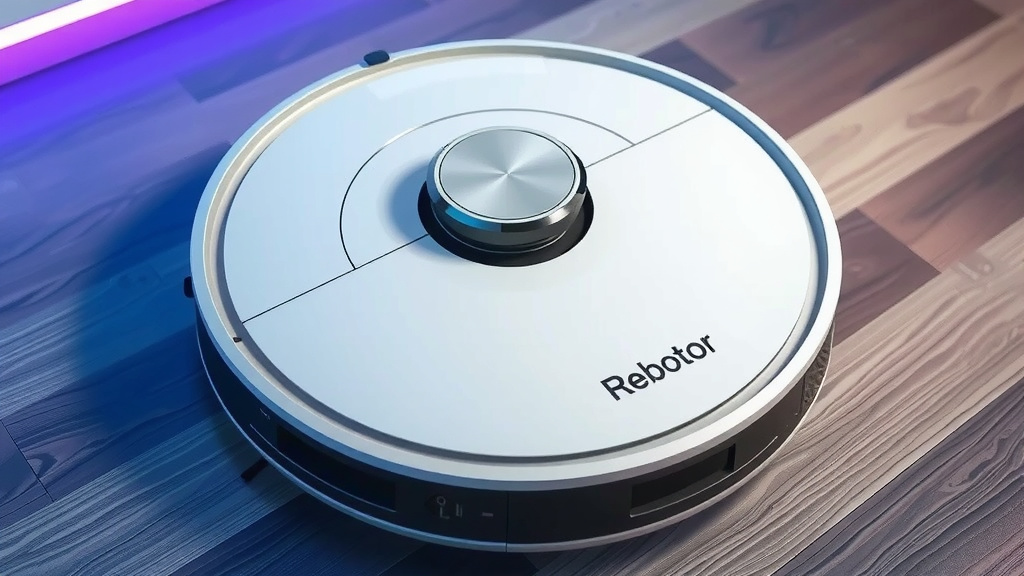
Robotic vacuum cleaners work by using a combination of sensors, programmed navigation, and cleaning mechanisms to autonomously clean your floors. They map your room, avoid obstacles, and systematically cover the area, collecting dust and debris as they go.
These smart devices have become incredibly popular for their convenience. They offer a hands-free cleaning solution, saving you precious time and effort. Think of them as your little automated helpers, tackling the daily mess so you don’t have to. Many models are also Wi-Fi enabled, letting you control them from your phone.
- Robots use sensors to navigate.
- They map rooms and avoid obstacles.
- Brushes and suction collect dirt.
- Most can be controlled remotely.
- They offer a convenient way to keep floors clean.
Let’s walk through exactly how these clever machines manage to keep your home tidy, step by step.
How Robotic Vacuums Keep Your Floors Clean
You might be wondering how these little pucks of plastic actually get the job done. It’s a fascinating blend of smart technology and good old-fashioned cleaning power. They don’t just randomly bump around. They follow a plan.
Robotic vacuums use a variety of sensors. These sensors are like their eyes and ears. They help the robot understand its surroundings. This allows it to clean effectively and avoid becoming a paperweight.
The Brains of the Operation: Navigation and Mapping
How does your robot know where to go? It uses a sophisticated navigation system. Think of it like a tiny GPS for your home. This system helps it create a map and plan its cleaning route.
Sensor Technologies at Play
Different types of sensors work together. This creates a detailed picture of your home. Most robots have infrared sensors. These help them detect walls and furniture. They stop the robot from crashing.
Cliff sensors are also important. These are located on the underside of the robot. They prevent it from tumbling down stairs. Imagine your robot taking a tumble – not ideal!
Some advanced models use cameras. These cameras help with visual mapping. They can even identify specific objects like cables or pet waste. This is a huge step in making robots smarter. We found that models with better visual recognition are less likely to get stuck.
Mapping Your Home for Efficient Cleaning
Once your robot has its bearings, it starts mapping. Early models used a more random pattern. They would bounce around until they covered most areas. This could sometimes miss spots or take longer.
Today, many robots create a precise map of your home. They use this map to plan the most efficient cleaning path. This ensures every area gets covered. Some can even save multiple floor plans. This is great if you have a multi-level home. Your robot can then reload and continue cleaning.
Understanding Different Navigation Styles
There are a few main ways robots navigate. Some use gyroscopic sensors. These track the robot’s movement and direction. This helps it clean in straight lines.
Others use vSLAM (Visual Simultaneous Localization and Mapping). This uses a camera to build a map. It also tracks the robot’s position on that map in real-time. This is a very effective method.
LIDAR (Light Detection and Ranging) is another popular technology. It uses lasers to scan the room. This creates a highly accurate map. LIDAR robots are often very good at navigating complex spaces.
The Cleaning Powerhouse: How It Picks Up Dirt
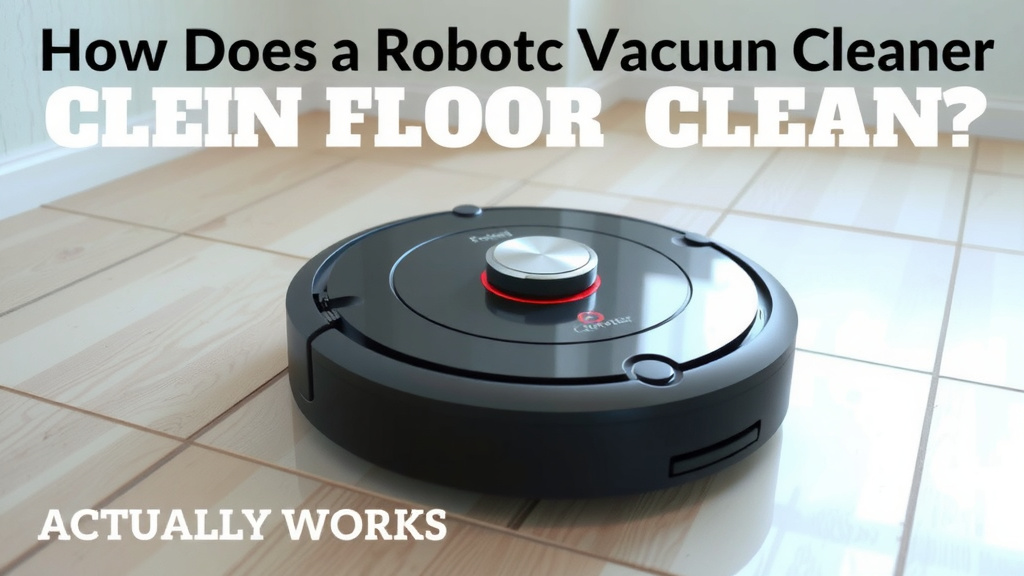
Navigation is only half the story. How does it actually clean? Robotic vacuums use a combination of brushes and suction. This is how they collect dust, dirt, and debris.
The Role of Brushes
Most robots have at least one main brush. This is usually a roller brush underneath. It spins to agitate dirt from your carpet or floors. It then sweeps the debris towards the suction port.
Some models have two main brushes. These often spin in opposite directions. This helps to lift more dirt and hair. We found that dual brush systems can be particularly effective on pet hair.
Side Brushes for Edges and Corners
You’ll also notice one or two small spinning brushes on the side. These are called side brushes. Their job is to sweep debris from edges and corners. They flick dirt towards the main brush. This helps the robot get into those hard-to-reach spots.
The Suction System
Behind the brushes is the suction motor. This creates airflow. It pulls the loosened dirt and debris into the robot’s dustbin. The strength of the suction is important. It determines how well the robot can pick up finer particles.
Many robots have adjustable suction power. You can often set it higher for carpets. This helps pull dirt out of deeper pile. Lower settings can be used on hard floors. This conserves battery power.
Powering Up and Staying Charged
Robots need power to do their work. They have rechargeable batteries. When the battery gets low, they know it. They will then return to their charging dock. This is a pretty neat trick!
Returning to the Dock
The robot uses its sensors and its internal map. It navigates back to its charging station. Once docked, it begins recharging. Many advanced robots can resume cleaning. They will go back to where they left off after charging.
Battery Life and Cleaning Cycles
Battery life varies by model. It also depends on cleaning mode and floor type. A typical robot might run for 60-90 minutes. Larger homes might require more than one cleaning cycle. Or a robot with a longer battery life.
Smart Features for Modern Homes
Today’s robotic vacuums are more than just simple cleaners. They offer smart features. These make them even more convenient and useful.
Wi-Fi Connectivity and App Control
Most newer robots connect to your home Wi-Fi. This lets you control them using a smartphone app. You can start, stop, or schedule cleanings from anywhere. The app often shows you the cleaning map.
You can also set no-go zones. These are areas where you don’t want the robot to go. For example, around pet food bowls or fragile items. We found this feature to be a lifesaver for pet owners. It prevents messy accidents.
Voice Assistant Integration
Many robots work with voice assistants. You can use commands like “Alexa, tell robot to clean the living room.” It’s a hands-free way to start a cleaning session. This adds another layer of convenience.
Here’s a quick checklist of what your robot does:
- Sensors detect obstacles and avoid falls.
- It maps your room for systematic cleaning.
- Brushes loosen and sweep dirt.
- Suction collects dust and debris.
- It returns to its dock to recharge.
- App control offers scheduling and customization.
Conclusion
You’ve learned how robotic vacuums blend smart sensors with effective cleaning mechanisms. They navigate, map, and tackle dirt autonomously. This technology saves you time and keeps your floors consistently cleaner. You can control them from your phone for ultimate convenience. Consider how a robotic vacuum could fit into your routine. The next step is to identify the features that best suit your home and cleaning needs.
Frequently Asked Questions
Do robotic vacuums really get into corners?
Most robotic vacuums use small side brushes. These spin to sweep dirt from edges and corners. They flick debris towards the main roller brush. This helps them clean those harder-to-reach areas effectively.
Can a robot vacuum get stuck easily?
Older or simpler models might get stuck more often. However, newer robots with advanced mapping and sensors are much better. They can often avoid obstacles like cords or loose rugs. Some even have object recognition to prevent getting stuck on things like pet waste.
How do robot vacuums avoid falling down stairs?
Robotic vacuums are equipped with cliff sensors. These sensors are located on the underside of the robot. They detect drops like stairs. When a cliff is detected, the robot will stop and change direction.
What happens if my robot vacuum’s battery dies mid-clean?
Most modern robot vacuums will automatically return to their charging dock. Once they have enough power, they can resume cleaning. They often go back to the exact spot where they stopped.
Can I schedule cleanings with a robotic vacuum?
Yes, most Wi-Fi enabled robotic vacuums allow scheduling. You can set specific times and days for cleaning via a smartphone app. This lets you have your floors cleaned while you’re away.

![7 Best Cordless Vacuum For Low Pile Carpet [2026]](https://bathroomexplorer.com/wp-content/uploads/2026/05/7-best-cordless-vacuum-for-low-pile-carpet-2026-featured-768x432.jpg)