Washing Machine Cost: What to Expect in 2026
The cost of a new washing machine can range quite a bit, generally from $400 to $1,500, depending on the brand, type, and features. You can find basic, budget-friendly models for under $500, while high-end, smart washers with advanced cycles might set you back over $1,000.
When you’re shopping, consider what you really need. Are you looking for a simple, no-frills machine, or do you want all the bells and whistles like steam cycles or Wi-Fi connectivity? Your choice will directly impact the final price tag and how well the appliance fits your laundry routine.
- Washing machines typically cost between $400 and $1,500.
- Basic models are under $500.
- High-end smart washers can exceed $1,000.
- Features and brand heavily influence the price.
- Your needs will guide you to the right price point.
Let’s break down what factors influence washing machine prices and what you can expect to pay for different types and features.
What’s the Average Washing Machine Cost?
So, you’re wondering about the price of a new washing machine. It’s a common question, and understandably so. A washing machine is a big purchase, a workhorse for your home. The truth is, there isn’t one single answer. We found that prices can really swing.
Generally, you’re looking at a range of **$400 to $1,500**. Some models can even go higher if you’re opting for the absolute top-of-the-line. Think of it like buying a car; there are basic models and luxury options. Your budget and needs will guide you to the right spot within that spectrum.
Key Factors Influencing Washing Machine Prices
Several things can nudge that price tag up or down. Let’s break them down so you know what you’re paying for.
Type of Washing Machine
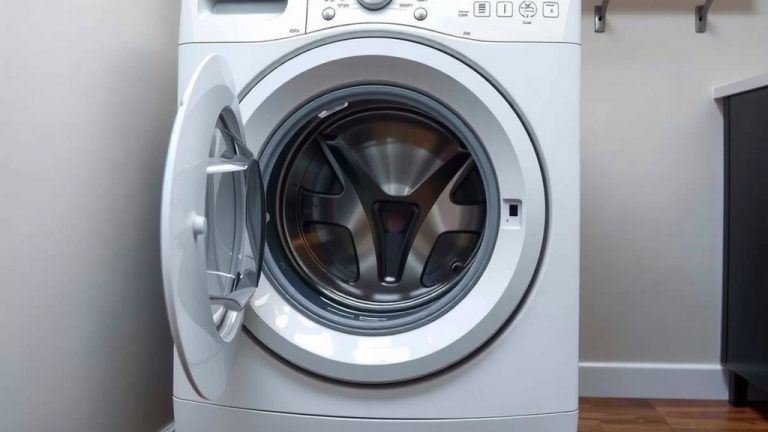
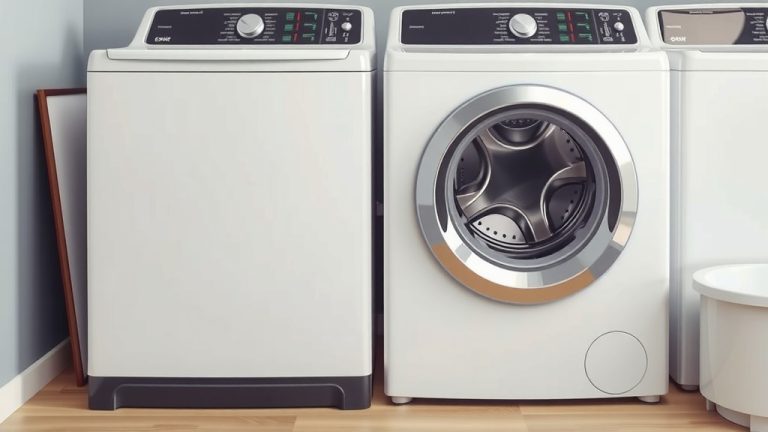
The style of washer you choose is a big price driver. Are you looking for the classic top-loader or the sleek front-loader? We found that front-loaders often come with a higher initial cost.
- Top-Loaders: These are typically more budget-friendly. They’re familiar and straightforward to use. Many still offer great cleaning power. Learn more about the best-rated top-load agitator models for budget-friendly choices.
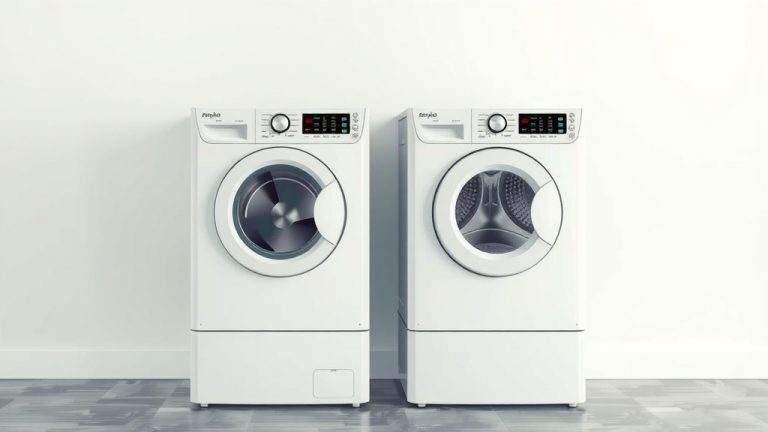
- Front-Loaders: Often considered more energy-efficient and gentler on clothes. They tend to be more expensive upfront. Many also offer larger capacities.
Brand Reputation and Quality
Just like with other appliances, some brands have built a reputation for **durability and innovation**. We found that well-known, established brands might cost a bit more. This often reflects their longer warranty periods or advanced technology. Smaller or newer brands might offer lower prices to get your attention.
Capacity and Size
How much laundry do you typically do? Washing machines come in various sizes. A smaller machine for a studio apartment will cost less than a large-capacity model for a big family. We found that larger drums mean more parts and often, a higher price tag. Think about your household size.
Energy and Water Efficiency
Appliances with high energy and water efficiency ratings, like ENERGY STAR certified models, can be more expensive initially. However, they can **save you money on utility bills** over time. The U.S. Department of Energy states that ENERGY STAR certified clothes washers use at least 25% less energy and more than 33% less water than standard models (U.S. Department of Energy).
Special Features and Technology
This is where prices can really climb! Do you want a washer that connects to your Wi-Fi? Or one with steam cycles, sanitizing options, or automatic detergent dispensers? These extras add to the cost. Smart features, in particular, can add hundreds of dollars to the price. We found that advanced wash cycles are a common upgrade.
Price Ranges for Different Washing Machine Types
Let’s get a bit more specific about what you might expect to pay.
Basic Models (Under $600)
If you’re on a tight budget, there are certainly options. These are usually **simple top-load agitator models**. They get the job done without a lot of fuss. You’ll get standard wash cycles and basic controls. Don’t expect fancy features like Wi-Fi or steam. These are often found from brands known for affordability.
Mid-Range Models ($600 – $1,000)
This is where you’ll find a lot of popular choices. You can often get a **good quality top-loader or a decent front-loader** in this range. Many models here offer improved water efficiency and a wider variety of wash cycles. Some might even have basic spin-only options or delay start features. You’re getting a good balance of features and price.
High-End and Smart Models ($1,000+)
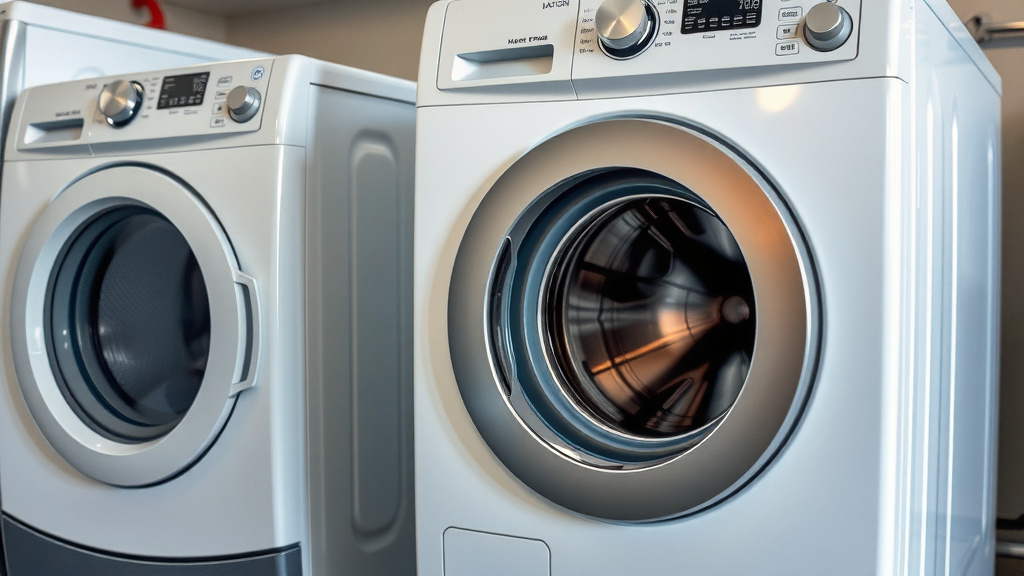
Ready to splurge? This is where you’ll find the **latest technology and most advanced features**. Think large-capacity front-loaders with steam cleaning, allergen cycles, and smart connectivity. You can control these washers from your smartphone. Some even have AI that can detect fabric types. These models are designed for maximum convenience and cleaning performance. The price reflects the cutting-edge tech.
Understanding the Value: More Than Just the Price Tag
It’s tempting to just go for the cheapest option. But we found it’s worth thinking about the long-term value. A more expensive washer might use less water and energy, saving you money monthly. Many experts suggest looking at the total cost of ownership, not just the purchase price (Cleveland Clinic). A higher-priced model might also last longer, meaning you won’t have to replace it as soon.
Quick Checklist for Your Washing Machine Budget
Before you start browsing, keep these points in mind to help set your budget:
- What’s your absolute maximum budget?
- How many people are in your household?
- Do you need a large capacity?
- Are smart features important to you?
- How important is energy efficiency?
- What’s your tolerance for noise?
Conclusion
You’ve seen how washing machine prices can vary widely, generally from $400 to $1,500. Your budget will depend on the type of machine, brand, size, and features you need. Remember to consider the long-term value, including energy savings and durability, not just the initial cost. Before you buy, use the checklist we provided to pinpoint your needs.
Your next step is to take that checklist to the store or online. Start comparing models that fit your budget and laundry requirements. Happy shopping for your new laundry companion!
Frequently Asked Questions
What’s the cheapest type of washing machine I can buy?
Typically, the most budget-friendly washing machines are basic top-load agitator models. These machines offer straightforward functionality without advanced features. You can usually find these priced under $600.
Do front-load washers always cost more than top-loaders?
Generally, yes. Our research found that front-load washers often have a higher upfront cost compared to traditional top-loaders. This is often due to their design, which tends to be more energy-efficient and gentler on clothes.
Are ENERGY STAR certified washers worth the extra cost?
While ENERGY STAR models may cost more initially, they can save you money over time. They use less energy and water, reducing your utility bills. The U.S. Department of Energy confirms these savings.
How much do smart features add to a washing machine’s price?
Smart features, like Wi-Fi connectivity or app control, can significantly increase the price of a washing machine. These advanced options can add several hundred dollars to the overall cost.
Should I consider the total cost of ownership for a washing machine?
Yes, absolutely. While the purchase price is important, you should also consider long-term expenses like utility bills and potential repair costs. Some sources suggest higher-priced, more efficient models offer better total value.