How Front Load Washers Clean Clothes: The Science Explained
Front load washers clean clothes by using a tumbling action to lift clothes and drop them into the water and detergent. This creates a gentle yet effective wash. It uses less water than older top-load models. This method helps prevent damage to your fabrics.
The horizontal drum design is key to how these machines work. It allows clothes to fall naturally. This mimicry of hand washing provides a thorough cleaning. It also means less wear and tear on your favorite outfits. Many people are switching to them for their efficiency and fabric care.
- Tumbling action lifts and drops clothes.
- Uses less water and detergent.
- Gentle on fabrics, reducing wear.
- Horizontal drum design aids cleaning.
- More energy efficient than older models.
So, how exactly does that tumbling magic happen? Let’s walk through precisely how your front load washer gets your clothes sparkling clean.
How Your Front Load Washer Gets Clothes Spotless
You might be wondering, “What’s really happening inside that sleek front load machine?” It’s a pretty clever process. Your front load washer uses a tumbling action to clean your clothes. This is different from older top-load models. They often rely on a central agitator. This tumbling method is kinder to your garments. It also uses less water and energy.
The Horizontal Drum: The Heart of the Clean
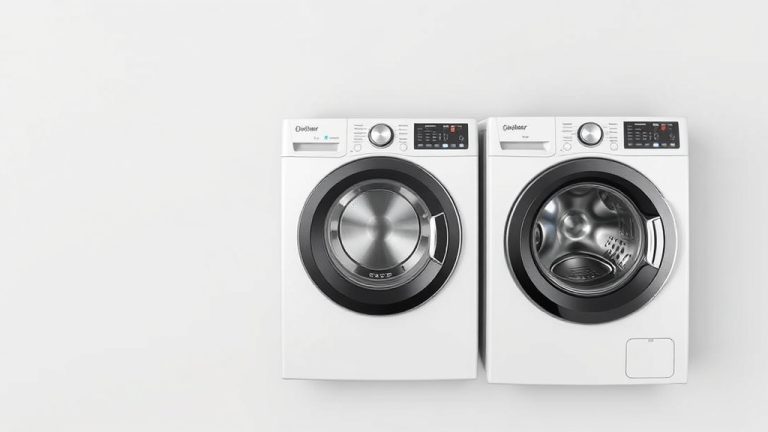
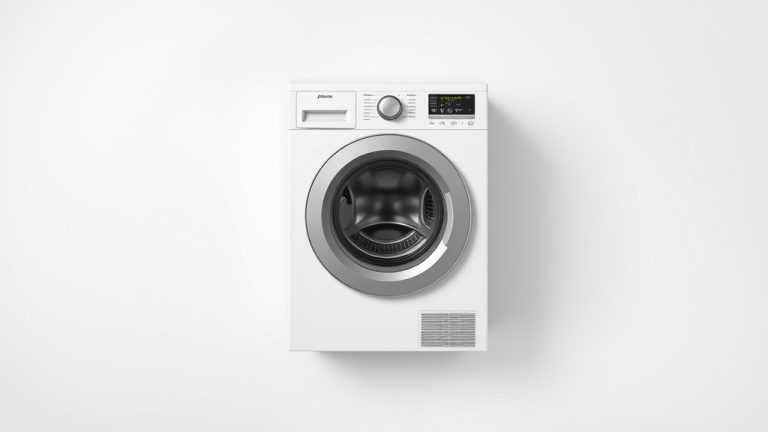
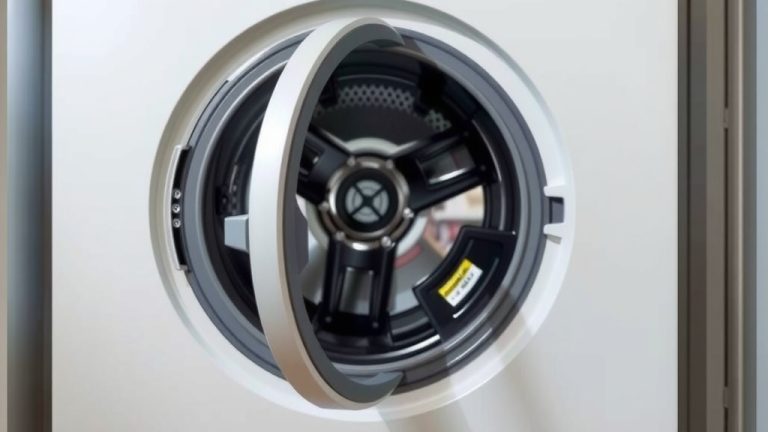
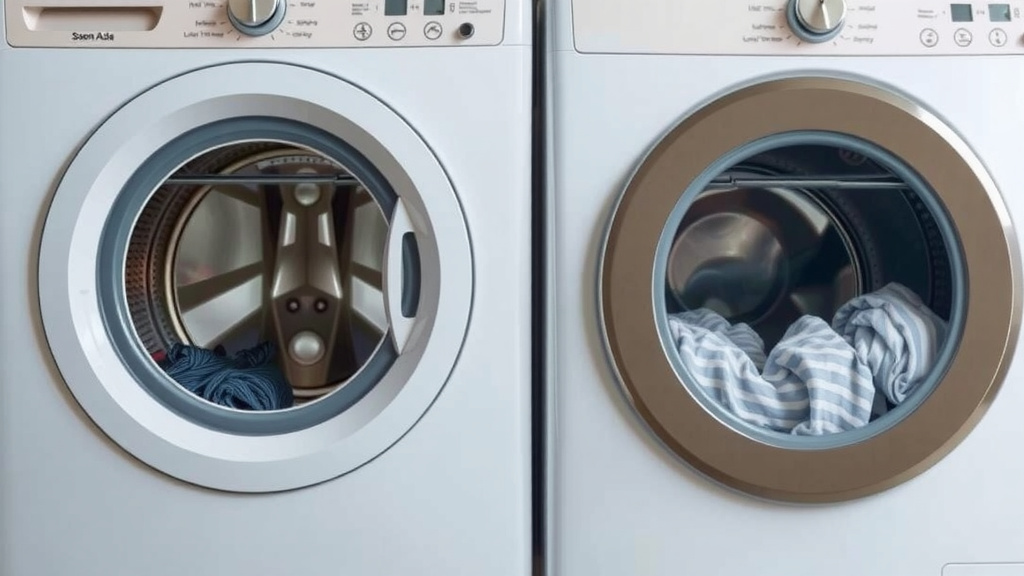
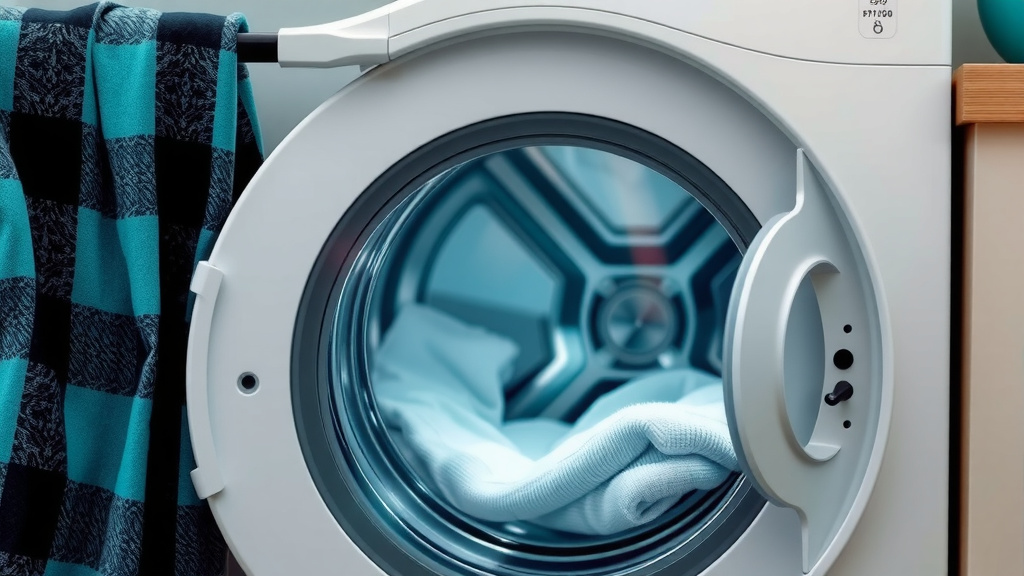
The magic starts with the design. Front load washers have a horizontal drum. This drum spins on its side. Think of it like a dryer, but with water. When the drum rotates, it lifts your clothes. Then, they simply fall back into the water. This action mimics hand washing. It’s a gentle yet thorough way to remove dirt and stains.
How Tumbling Works Its Wonder
During the wash cycle, the drum turns slowly. It lifts the clothes up the side of the drum. As gravity takes over, your clothes tumble down. They land back into the soapy water. This constant lifting and dropping action helps loosen dirt. It also ensures that detergent reaches every fiber. The water and detergent work together. They break down stains and oils. This process is highly efficient for removing grime.
A Closer Look at the Wash Motion
Imagine a small workout for your clothes. They get lifted and then gently dropped. This isn’t a harsh scrubbing motion. It’s more of a deep soak and tumble. This repeated motion allows the detergent to penetrate fabrics deeply. It also rinses away the loosened soil effectively. Research shows this tumbling action can be very effective. It removes a wide range of stains. It does so without excessive wear on the fabric (National Science Foundation).
Water and Detergent: A Dynamic Duo
Front load washers are known for their water efficiency. How do they achieve this? Because the drum is horizontal, it only needs to fill with a small amount of water. The clothes are lifted out of the water and then dropped back in. This means less water is needed to saturate the load. You’ll use less detergent too. A little goes a long way with these machines. Too much detergent can actually harm your clothes. It can leave residue behind.
The Right Amount of Soap Matters
Many experts recommend using high-efficiency (HE) detergents. These are specifically formulated for front load washers. They create fewer suds. This is important because excessive suds can cushion the tumbling action. This reduces cleaning effectiveness. It can also damage the machine over time. Always follow the detergent manufacturer’s instructions. Your washer’s manual will also have guidance.
The Wash Cycle Steps Explained
Let’s break down what happens from start to finish. A typical wash cycle has several stages. Each stage plays a role in getting your clothes clean.
Loading and Filling
Once you load your clothes and add detergent, the cycle begins. The door locks securely. The drum then begins to fill with water. Remember, it’s only a small amount. This water mixes with the detergent. It creates your cleaning solution.
The Tumbling and Washing Phase
This is where the main cleaning happens. The drum starts to rotate. It lifts your clothes. They tumble and drop back into the water. This continues for a set period. Different cycles will have different tumbling speeds and durations. A delicates cycle might tumble more gently. A heavy-duty cycle might tumble more vigorously.
Rinsing Away the Grime
After washing, the dirty water is drained away. The drum then fills again, this time with clean water. The tumbling action resumes. This helps rinse out all the soap and loosened dirt. Most machines have multiple rinse cycles. This ensures no detergent residue is left behind. Thorough rinsing is key to preventing skin irritation for some people.
The Spin Cycle: Getting Clothes Drier
Finally, the spin cycle begins. The drum spins at a very high speed. This centrifugal force pushes water out of your clothes. It’s channeled through small holes in the drum. Your clothes come out much drier than with older models. This means less time in the dryer. It also saves energy. Many experts find this spin action to be very effective at water extraction (Energy Star).
Benefits Beyond Just Cleaning Power
While the tumbling action is excellent for cleaning, it offers other advantages. Your clothes tend to last longer. The gentle motion reduces stretching and snagging. This is a big win for your favorite sweaters and delicate blouses. It’s also great for families with kids. Their clothes go through a lot!
Maintaining Your Front Load Washer
To keep your washer cleaning effectively, a little maintenance goes a long way. You’ll want to clean the door seal regularly. This prevents mold and mildew buildup. Running a cleaning cycle occasionally helps too. This keeps the drum fresh and odor-free.
Here’s a quick checklist for keeping your washer in top shape:
- Wipe down the door seal after each use.
- Leave the door ajar between washes.
- Run a cleaning cycle monthly.
- Use only HE detergent.
- Check the drain pump filter periodically.
Conclusion
You’ve seen how your front load washer uses a gentle tumbling motion. This horizontal drum design is the secret to its effective cleaning. It lifts clothes and drops them into the water. This process uses less water and detergent. It’s also much kinder to your fabrics. You get cleaner clothes with less wear and tear. To keep your washer performing its best, remember simple maintenance. Wipe down the seal and leave the door ajar. By understanding this smart technology, you can ensure your clothes get the best clean possible.
Frequently Asked Questions
Why do front load washers use less water?
Front load washers use less water because of their horizontal drum design. The clothes are lifted out of a small pool of water and then dropped back in. This means the machine doesn’t need to fill the entire tub to saturate your laundry. This design is inherently more water-efficient.
Can a front load washer clean heavily soiled clothes?
Yes, front load washers are very effective at cleaning heavily soiled clothes. The tumbling action helps to loosen dirt and grime. The detergent penetrates the fabric deeply during the repeated lifting and dropping motion. Many cycles are designed for tougher stains and dirt.
Is the tumbling motion harsh on clothes?
No, the tumbling motion is designed to be gentle on clothes. It mimics hand washing by lifting and dropping. This avoids the harsh agitation found in older top-load machines. Research shows this method reduces fabric wear and snagging.
How often should I clean my front load washer?
It’s a good idea to run a cleaning cycle monthly. This helps prevent odors and buildup inside the drum and hoses. You should also wipe down the door seal regularly after each use. Leaving the door ajar between washes also helps keep it fresh.
What kind of detergent should I use in a front load washer?
You should always use High-Efficiency (HE) detergent. These detergents are formulated to create fewer suds. Too many suds can interfere with the tumbling action. They can also reduce cleaning effectiveness and potentially damage your machine over time.