How Single Unit Washer Dryers Work Explained
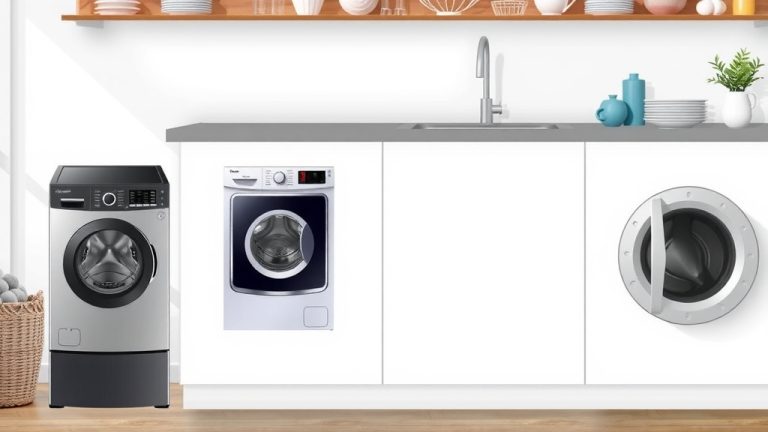
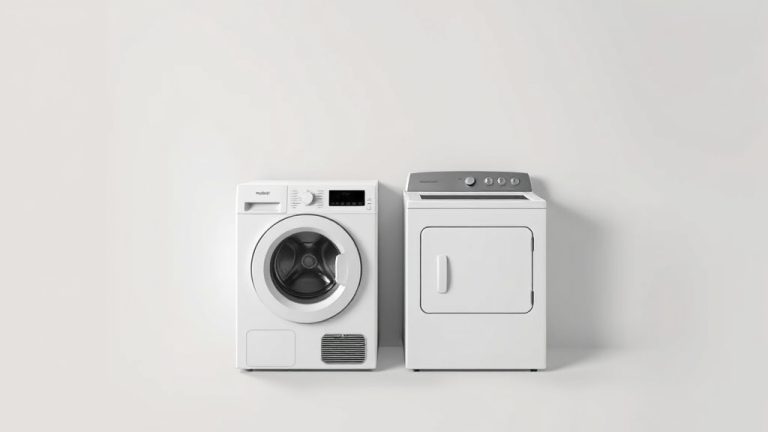
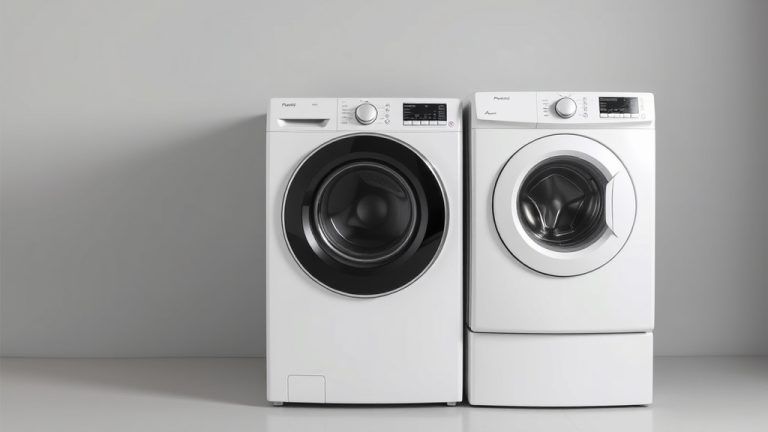
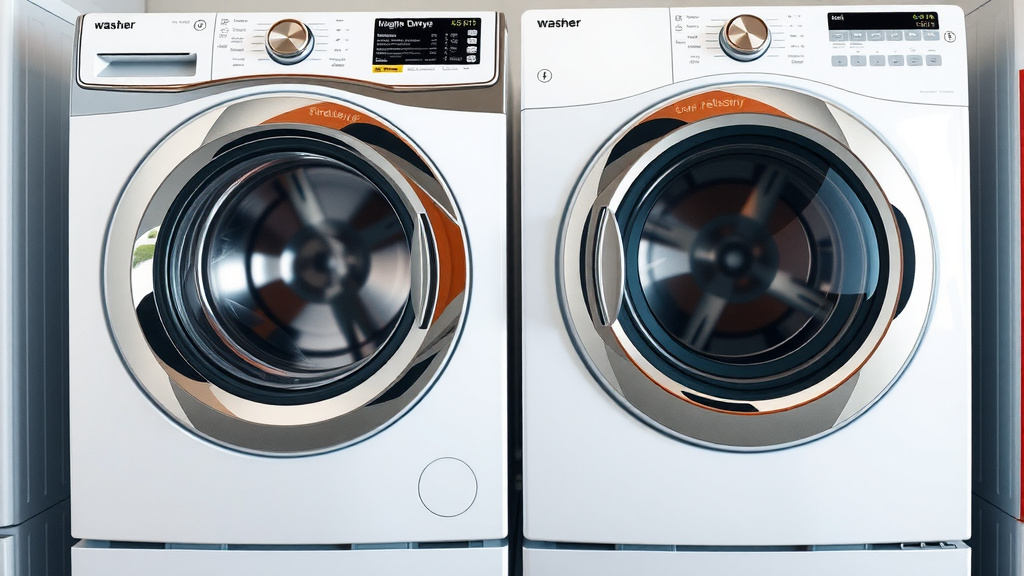
Single unit washer dryers work by combining the washing and drying functions into one compact machine. This space-saving appliance uses a drum that can both tumble clothes with water and detergent for washing, and then heat and tumble them with air for drying, all in the same cycle. They are a fantastic solution for smaller homes or apartments where a separate washer and dryer won’t fit. You get the convenience of doing a full laundry cycle without moving wet clothes.
These all-in-one units are designed for maximum efficiency in a limited space. They operate by completing a wash cycle, draining the water, and then using a heating element to dry the clothes inside the same drum. Many modern models offer smart features and energy-saving options to help you manage your laundry needs effectively. Research shows they can be a great compromise when you need both washing and drying capabilities but have limited room.
TL;DR:
- Single unit washer dryers wash and dry clothes in one machine.
- They use the same drum for both washing and drying cycles.
- Ideal for small spaces like apartments or RVs.
- They save space and the hassle of moving wet clothes.
- Convenient for a complete laundry cycle in one appliance.
Let’s walk through exactly how these clever machines handle your laundry, step by step!
Understanding How Single Unit Washer Dryers Operate
Single unit washer dryers are marvels of engineering for small spaces. They tackle both washing and drying in one neat package. You might be wondering how they manage this magic. It’s all about clever design and efficient use of space. Let’s break down the process so you know exactly what’s happening inside.
The Wash Cycle: Getting Your Clothes Clean
Your laundry journey begins with the wash cycle. This part is very similar to a traditional washing machine. You add your clothes, detergent, and fabric softener, just like usual.
Filling and Agitation
First, the machine fills its drum with water. Then, it starts tumbling your clothes. This tumbling action, combined with the detergent, loosens dirt and stains. Many experts say this gentle tumbling is key to effective cleaning without damaging fabrics (Good Housekeeping).
Draining and Rinsing
After the wash, the dirty water is pumped out. Then, the machine refills with clean water for rinsing. It tumbles your clothes again to remove any soap residue. Some models might have multiple rinse cycles for extra thoroughness.
The Transition: Preparing for Drying
Once the rinsing is complete, the washer dryer needs to prepare for the drying phase. This is a critical step where the machine shifts gears.
Water Extraction is Key
Before drying can begin, as much water as possible must be removed from the clothes. The machine uses a high-speed spin cycle for this. Think of it like a powerful centrifuge.
This spin removes a lot of the moisture. Research has shown that the faster the spin, the less time the dryer will need to run (Consumer Reports). This means your clothes come out damp, not soaking wet.
Heating Element Activation
After the spin cycle, the machine prepares its heating element. This element is what generates the hot air needed to evaporate the remaining water from your clothes. It’s a bit like a built-in hairdryer for your laundry.
The Drying Cycle: From Damp to Dry
This is where the ‘dryer’ part of the unit truly comes into play. The machine uses heat and tumbling to dry your clothes efficiently.
How Heat and Airflow Work
Hot air is circulated through the drum as it continues to tumble. This hot air absorbs moisture from the fabric. The machine constantly monitors the temperature and humidity inside the drum.
Condensing vs. Venting Systems
Most single unit washer dryers use a condenser drying system. This means the hot, moist air is cooled down. As it cools, the moisture turns back into water, which is then drained away.
This is different from traditional dryers that vent hot, humid air outside. Condenser models don’t need an external vent. This makes them perfect for apartments or places where venting isn’t possible. You just need a water drain.
| Feature | Single Unit Washer Dryer (Condenser) | Traditional Vented Dryer |
|---|---|---|
| Installation | No external vent needed. Requires water drain. | Requires an external vent to the outside. |
| Moisture Removal | Condenses moisture into water, then drains. | Vents moist air outside. |
| Energy Efficiency | Can be slightly less energy-efficient due to heating water for condensation. | Generally more energy-efficient for drying. |
| Space Saving | Excellent for small spaces, no venting required. | Requires space for the unit and a vent path. |
Sensor Drying vs. Timed Drying
Many models offer sensor drying. This technology detects the moisture level in your clothes. It stops the cycle automatically when clothes reach your desired dryness level. This prevents over-drying and saves energy.
Timed drying, on the other hand, runs for a set amount of time you select. While simpler, it’s easier to over-dry or under-dry your laundry with this method. Sensor drying is generally preferred for better results and efficiency.
Cycle Completion and Cool Down
Once the drying cycle is finished, the machine completes its job. It usually has a cool-down period.
The Cool-Down Phase
Towards the end of the drying cycle, the heat is often turned off. The machine continues to tumble the clothes with unheated air. This helps prevent wrinkles from setting in as the clothes cool down.
Ready for Unloading
After the cool-down, your laundry is typically ready to be removed. You’ll find your clothes clean, dry, and ready to be folded or put away. No more transferring damp clothes to another machine!
Maintenance Tips for Longevity
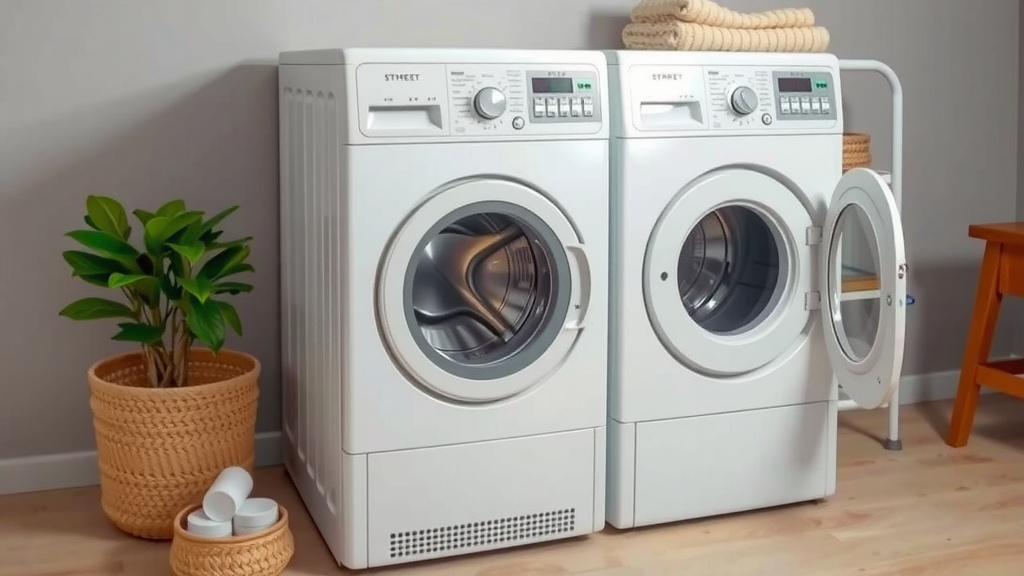
To keep your washer dryer running smoothly, a little maintenance goes a long way. We found that regular care can prevent common issues.
- Clean the Lint Filter: Regularly check and clean the lint filter. This is crucial for airflow and efficient drying. A clogged filter is a fire hazard and slows down drying times.
- Wipe Down Seals: After each use, wipe down the door seal. This helps prevent mold and mildew buildup.
- Run Cleaning Cycles: Use a washing machine cleaner periodically. This helps remove detergent residue and keep the drum fresh.
- Check Drainage: Ensure the drain hose isn’t kinked. Proper drainage is vital for both wash and condensing cycles.
What to Expect in Terms of Performance
It’s important to set realistic expectations. These units are fantastic for their space-saving ability.
Drying Times and Capacity
Generally, drying cycles in all-in-one units can take longer than separate dryers. This is because the drum is also used for washing. Also, their capacity for drying is often less than for washing. You might need to dry smaller loads than you wash.
Research suggests that for optimal drying results, it’s best to dry loads that are about half the size of the wash load (Wirecutter). This allows for better airflow and more efficient moisture removal.
Energy and Water Usage
These machines are designed with efficiency in mind. However, using both wash and dry cycles consecutively will use more energy and water than just washing alone. Many modern units have eco-friendly settings to help reduce consumption.
We found that selecting the right cycle for your load size and fabric type can make a noticeable difference in energy use. Always consult your user manual for specific efficiency tips.
A Checklist for Using Your Washer Dryer
Getting the most out of your appliance is simple with a few key steps.
- Load Correctly: Don’t overload the drum for washing or drying.
- Use the Right Detergent: Use high-efficiency (HE) detergent.
- Select Appropriate Cycles: Match cycles to fabric types and soil levels.
- Clean the Lint Filter: Do this after every few loads.
- Unload Promptly: Remove clothes after the cool-down to minimize wrinkles.
- Run a Tub Clean Cycle: Monthly maintenance is a good habit.
Conclusion
You’ve learned how single unit washer dryers ingeniously combine washing and drying into one convenient appliance. They handle everything from filling and agitating to spinning out water and using a condenser system to dry your clothes. Remember that managing expectations, especially regarding drying times and load sizes, is key to satisfaction. By following simple maintenance tips like cleaning the lint filter and wiping down seals, you’ll help ensure your compact laundry solution works efficiently for years to come. Ready to take the leap? Consider your laundry needs and space constraints to see if an all-in-one unit is the perfect fit for your home.
Frequently Asked Questions
How long does a wash and dry cycle typically take in a single unit washer dryer?
Wash and dry cycles on these units often take longer than separate machines, sometimes 2-3 hours or more for a full load. This is because the machine performs all steps sequentially within the same drum. Drying times can vary based on load size and fabric type.
Can I dry a full load after washing it in a single unit washer dryer?
While you can wash a full load, it’s generally recommended to dry smaller loads for optimal results. Research suggests drying about half the size of your wash load allows for better airflow and more efficient drying. This prevents clothes from remaining damp.
Do single unit washer dryers need to be vented outside like traditional dryers?
No, most single unit washer dryers use a condenser drying system and do not require an external vent. They cool the hot, moist air inside the machine, turning the moisture into water that is then drained away. This makes them ideal for apartments or small spaces.
Are these all-in-one machines energy efficient?
They are designed with space-saving efficiency in mind, and many newer models offer energy-saving settings. However, running both a wash and a dry cycle consecutively will naturally use more energy than just washing alone. Choosing the right cycle for your load can help.
What kind of maintenance is required for a single unit washer dryer?
Regular maintenance is simple but important. You should clean the lint filter after most uses, wipe down the door seal to prevent mold, and occasionally run a cleaning cycle to keep the drum fresh. Ensuring the drain hose isn’t kinked is also vital.