How to Bleach Clothes in Your Front Loader Safely
You can absolutely wash with bleach in a front-loader washing machine, but you need to do it the right way. The key is to use a bleach dispenser or dilute the bleach before adding it to your wash. This prevents damage to your machine and your clothes. It’s important to avoid pouring bleach directly onto fabrics.
Using bleach can help sanitize laundry and remove tough stains. Many modern front-loaders have a designated bleach compartment for this purpose. If yours doesn’t, there are safe workarounds. We found that understanding your machine’s features is essential for effective and safe bleaching.
- Always check your machine’s manual first.
- Use a bleach dispenser if available.
- Dilute bleach if no dispenser is present.
- Never pour bleach directly on clothes.
- Follow care labels carefully.
Let’s walk through exactly how to use bleach safely and effectively in your front-loader. We’ll cover the steps to ensure your clothes come out clean and your machine stays in good shape.
“`htmlSafely Bleaching Your Clothes in a Front-Loader
You can absolutely use bleach in your front-loading washing machine. It’s a great way to get whites whiter and sanitize your load. The trick is to do it the right way to protect both your machine and your clothes. We’ve researched the best methods, and it all comes down to proper dilution and placement of the bleach.
Understanding Your Front-Loader’s Bleach Dispenser
Many modern front-loaders come equipped with a special compartment for bleach. This is your go-to spot for safe bleaching. It’s usually a small drawer with a symbol that looks like a chemical hazard sign or the word “Bleach.” This dispenser is designed to release the bleach at the correct time during the wash cycle.
Locating the Bleach Dispenser
First, find the detergent drawer. It’s typically at the top of your washing machine. Look closely at the compartments within this drawer. One section is usually marked for liquid detergent, another for fabric softener, and a third for bleach. If you’re unsure, your washing machine’s manual is the best resource for identifying this specific compartment.
Using the Bleach Dispenser Correctly
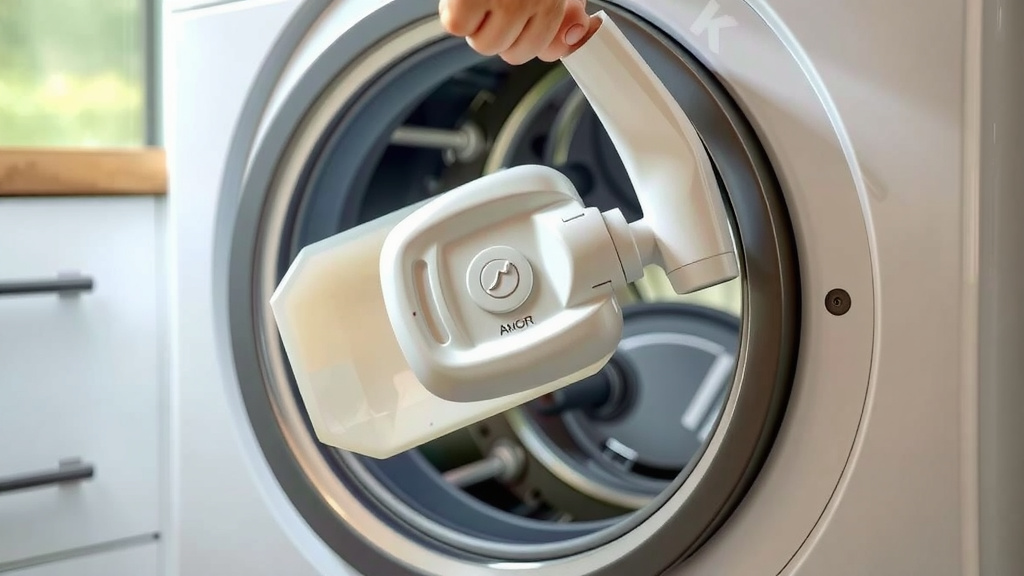
Once you’ve found it, use it! Simply pour the recommended amount of liquid chlorine bleach into this compartment. Never fill it past the “max fill” line. The machine will automatically dispense the bleach during the proper wash cycle. This prevents the concentrated bleach from coming into direct contact with your clothes too early, which can cause fading or damage.
What If Your Machine Doesn’t Have a Bleach Dispenser?
Don’t worry if your front-loader lacks a dedicated bleach dispenser. You can still achieve a great bleach clean! The key is to dilute the bleach before adding it to the wash. Pouring undiluted bleach directly onto clothes can lead to permanent damage and discoloration. We found that careful dilution is the most effective workaround.
The Dilution Method: Your Safe Alternative
This method involves mixing bleach with water before it ever reaches your laundry. It’s a simple process that makes bleaching safe for your machine. Experts agree that diluting bleach is essential when a dispenser isn’t available (CDC).
Step-by-Step Dilution Process
Here’s how to do it:
- Measure your bleach. Check your bleach bottle for the recommended amount per load.
- Get a container. Use a clean plastic pitcher or bowl.
- Add water. Fill the container with cool water.
- Add bleach to water. Pour the measured bleach into the water. Stir gently. A common ratio is 1/4 cup bleach to 1 gallon of water.
- Add to the wash. Wait until the washing machine is filling with water during the wash cycle. Then, carefully pour the diluted bleach solution into the drum.
Timing is Everything
It’s important to add the diluted bleach solution once the wash cycle has already begun and the water is filling the drum. You want the bleach to mix with the water immediately. This ensures it’s dispersed throughout the load, not just sitting on a few items. Adding it at the start of the main wash cycle is usually best.
Bleach and Your Front-Loader: What to Avoid
To keep your machine running smoothly and your clothes looking their best, there are a few things you absolutely must avoid. These are common mistakes that can cause big problems down the line. Think of it like avoiding certain foods if you have a sensitive stomach; you’re protecting your system!
Never Pour Bleach Directly onto Dry Clothes
This is perhaps the most critical rule. Pouring concentrated bleach onto fabric, especially when dry, can instantly create white spots or holes. The bleach literally eats away at the fibers. It’s a one-way ticket to ruined clothing. Always make sure bleach is mixed with plenty of water before it touches fabric.
Don’t Overuse Bleach
More bleach doesn’t always mean cleaner clothes. Too much bleach can weaken fabric fibers over time. It can also cause yellowing on certain synthetic fabrics. Stick to the recommended amounts on the bleach container and your washing machine manual. Moderation is key for both cleaning power and fabric longevity.
Consider Fabric Care Labels
Before you even think about bleach, check the care labels on your garments. Some fabrics, like wool, silk, spandex, and certain types of dyes, can be damaged by bleach. Look for the “do not bleach” symbol, which is a triangle with an X through it. If you see that, steer clear of the bleach for those items.
Choosing the Right Bleach for Your Needs
While chlorine bleach is common, there are other options. For those concerned about harsh chemicals or delicate fabrics, oxygen bleach can be a gentler alternative. It’s effective at brightening and stain removal, though it may not offer the same level of sanitization as chlorine bleach.
Chlorine Bleach vs. Oxygen Bleach
Chlorine bleach is powerful for sanitizing and whitening, especially for cottons. However, it can be harsh. Oxygen bleach is typically sodium percarbonate or hydrogen peroxide-based. It’s safer for colors and more delicate fabrics. We found that for general brightening and stain lifting, oxygen bleach is a fantastic choice for many loads.
When to Use Which
- Use chlorine bleach for: Heavily soiled whites, sanitizing bedding or towels, tough stain removal on durable fabrics (always diluted!).
- Use oxygen bleach for: Brightening colors, removing stains from colored items, refreshing moderately soiled loads, delicate fabrics.
Checklist for Safe Front-Loader Bleaching
Want a quick reminder? Here’s a simple checklist:
- Read your manual: Always start here.
- Use the dispenser: If you have one, use it!
- Dilute if no dispenser: Mix bleach with water before adding.
- Add during wash cycle: Let the machine do the work.
- Check care labels: Never bleach items that say not to.
- Measure carefully: Avoid using too much bleach.
Conclusion
Washing with bleach in your front-loader doesn’t have to be complicated. By understanding your machine’s bleach dispenser or using the simple dilution method, you can safely and effectively tackle tough stains and sanitize your laundry. Remember to always check fabric care labels and never pour bleach directly onto dry clothes. You’ve got this! Now you can confidently use bleach to keep your whites bright and your loads fresh.
Frequently Asked Questions
Can I use bleach in every wash cycle of my front-loader?
No, you should not use bleach in every wash cycle. Bleach is best reserved for loads that truly need it, like heavily soiled whites or to sanitize specific items. Frequent use can weaken fabrics and damage your machine over time. Always check your garment’s care label first.
How much bleach should I use in my front-loader?
The amount of bleach you should use depends on the load size and the bleach’s concentration. Always refer to the instructions on your bleach bottle for the recommended dosage per load. If using a dispenser, don’t fill it past the “max fill” line. For dilution, a common ratio is 1/4 cup of bleach per gallon of cool water.
Is it safe to mix bleach with other detergents?
Never mix chlorine bleach with other detergents or cleaning products, especially ammonia. This can create dangerous, toxic fumes. Your front-loader’s dispenser is designed to release bleach at the correct time, separate from your main detergent. If diluting, add the bleach solution to the drum after the wash cycle has started.
What should I do if I accidentally pour bleach directly onto clothes?
If you accidentally pour undiluted bleach directly onto clothes, rinse the affected area immediately with cold water. You can try to neutralize the bleach by soaking the garment in a solution of equal parts water and hydrogen peroxide for a few minutes, then re-washing. However, permanent damage like white spots or holes may have already occurred.
Can I use bleach if my front-loader is older and doesn’t have a dispenser?
Yes, absolutely! If your older front-loader lacks a dedicated bleach dispenser, the dilution method is your safest bet. Measure your bleach, mix it with cool water in a separate container, and carefully pour this diluted solution into the washing machine drum once the water has started filling during the wash cycle. This ensures the bleach is dispersed safely.