Standard Washer and Dryer Dimensions: A Guide
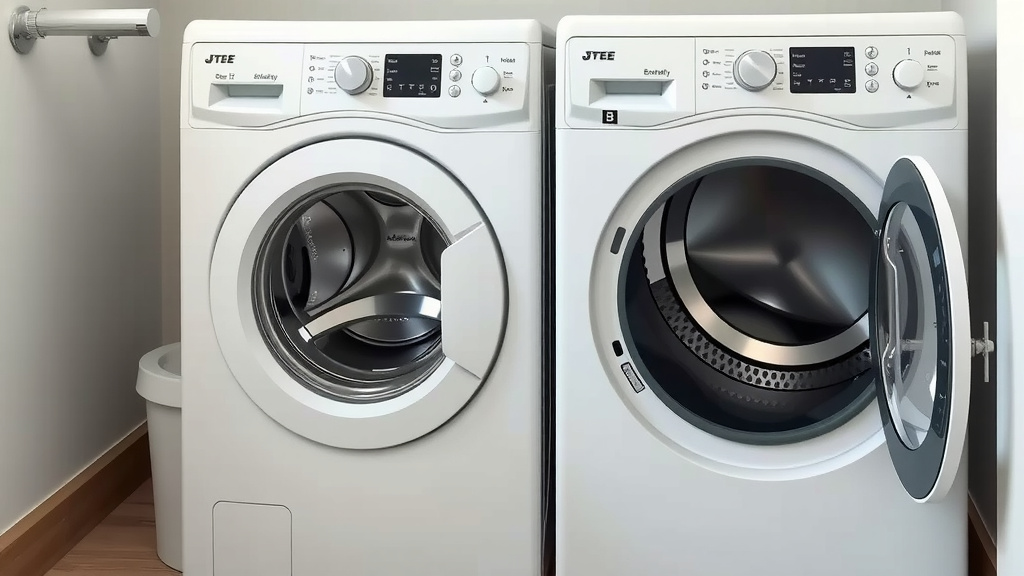
Standard washers and dryers typically measure around 27 inches wide and 30-34 inches deep. The height can vary, but most are about 36-40 inches tall. These are the most common dimensions you’ll find, making them a good fit for most laundry spaces.
When you’re shopping for a new laundry set, it’s smart to know these basic measurements. Many people don’t realize how much space their machines take up. Understanding these standard sizes helps you avoid surprises and ensures your new appliances will fit just right in your home.
- Standard washer/dryer width is about 27 inches.
- Depth is usually between 30-34 inches.
- Height typically falls between 36-40 inches.
- Knowing these helps you choose the best fit for your space.
Ready to measure your space and find the perfect fit? Let’s get into the specifics of washer and dryer dimensions so you can make an informed decision.
Understanding Common Washer and Dryer Sizes
When you’re looking to buy new laundry appliances, you’ll quickly realize that most washers and dryers come in fairly standard sizes. This helps manufacturers produce them efficiently and makes it easier for consumers to find units that fit their homes. We’ve found that most standard washing machines and their matching dryers are designed with common laundry room dimensions in mind.
Standard Width: The 27-Inch Rule
Let’s start with the width. You’ll discover that the vast majority of standard washers and dryers are about 27 inches wide. Think of it as the magic number for most laundry setups. This measurement is from the left side to the right side of the appliance. It’s a consistent size that allows you to fit two machines side-by-side in many laundry rooms or alcoves.
This 27-inch width is incredibly helpful. It means you can often replace an old machine with a new one without needing to alter your existing space. It’s a universal sizing convention that manufacturers seem to agree on. So, when you’re browsing, keep 27 inches as your go-to width.
Depth Matters: How Much Space Do They Stick Out?
Next up is depth. This refers to how far the appliance extends from the wall. Standard washers and dryers typically range from 30 to 34 inches deep. This measurement usually includes the door, control panel, and any hoses or vents at the back. You want to be sure you have enough room for this.
Why is depth so important? Imagine buying a beautiful new washer only to find it sticks out too far into your walkway. That’s not ideal! You need to account for the space required to open the doors fully and, importantly, to walk around the machines comfortably. We’ve seen many homeowners underestimate this. A few extra inches can make a big difference in your laundry room’s usability.
Considering Door Swing and Clearance
When you measure the depth, don’t forget to factor in the door swing. Front-load washers and dryers have doors that swing out. You’ll need extra space for the door to open completely. This might add another 10-15 inches to the total depth requirement when the door is open. Make sure you can access the drum easily without bumping into anything.
Top-load washers don’t have this door-swing issue, but you still need clearance above them. Some people like to stack their dryer on top of their washer. This requires careful planning and the right stacking kit. Always check the manufacturer’s recommendations for clearance.
Height: Reaching for the Sky (or Ceiling)
The height of your washer and dryer is another key dimension. Most standard units stand around 36 to 40 inches tall. This measurement is usually from the floor to the highest point of the appliance, often the top of the control panel. This height is designed to work well with standard countertop heights and cabinetry.
If you plan to stack your dryer on top of your washer, the combined height will, of course, be roughly double the individual height. This can get quite tall! It’s essential to measure your ceiling height carefully before considering a stacked unit. You want to be able to load and unload laundry without straining or hitting your head.
Top-Load vs. Front-Load Height Differences
While the overall height range is similar, there can be slight variations between top-load and front-load models. Top-load washers might have slightly higher control panels. Front-load units often have a more streamlined look and can sometimes be a bit shorter, especially when placed under a counter. There are differences between top-load and front-load models, and our guide reviews the best top-rated top-loading washing machines.
These differences are usually minor, but it’s wise to check the specifications for the exact models you’re considering. Every inch counts, especially in smaller laundry spaces. We recommend measuring from the floor to the lowest point of your ceiling or any overhead cabinets.
Beyond the Standard: Oversized and Compact Options
While we’ve focused on standard dimensions, it’s good to know that other options exist. You might encounter oversized or high-capacity units. These are often larger in all dimensions – wider, deeper, and sometimes taller. They offer bigger drums for handling larger loads, which can be a lifesaver for big families.
On the other end of the spectrum, you have compact or apartment-sized machines. These are designed for smaller living spaces. They are typically narrower, often around 24 inches wide, and may also be shallower and shorter. If space is extremely limited, these could be your best bet. Researching these smaller units is wise if a standard size won’t fit your nook.
The Importance of Measuring Your Space
Here’s the most critical advice we can give you: measure your laundry area before you shop. Don’t rely solely on the appliance dimensions you see online. You need to measure the exact space where the washer and dryer will go. Use a reliable tape measure and write down your findings.
Measure the width, depth, and height. Don’t forget to account for doorways, hallways, and staircases you’ll need to navigate to get the appliances into your home. A delivery team might be able to bring them in, but they often have limits on maneuvering tight corners or steep stairs. It’s better to be prepared.
What to Measure and How
Start with the opening where the appliances will sit. Measure the width from wall to wall. Then, measure the depth from the wall to the opposite wall or obstruction. Finally, measure the height from the floor to the ceiling or any overhead cabinets or shelves.
Also, consider the placement of water hookups, electrical outlets, and dryer vent ducting. Are they in the right spot for your new machines? Sometimes, the dimensions of the appliance are fine, but the utility hookups are inconveniently placed. This can lead to extra installation costs or headaches.
Putting It All Together: Your Laundry Space Checklist
To make sure you’re ready to shop, here’s a quick checklist:
- Measure the width of your laundry space.
- Measure the depth from the wall to the furthest obstruction.
- Measure the height from the floor to the ceiling or cabinets.
- Note the location of water hookups and electrical outlets.
- Check the path to your laundry room for doorway clearances and hallway width.
- Consider the door swing or lid opening for each appliance.
By taking these measurements, you’re setting yourself up for success. You’ll be able to confidently choose a washer and dryer that not only fit your space but also meet your laundry needs. It’s a small step that prevents a lot of potential problems down the line.
Conclusion
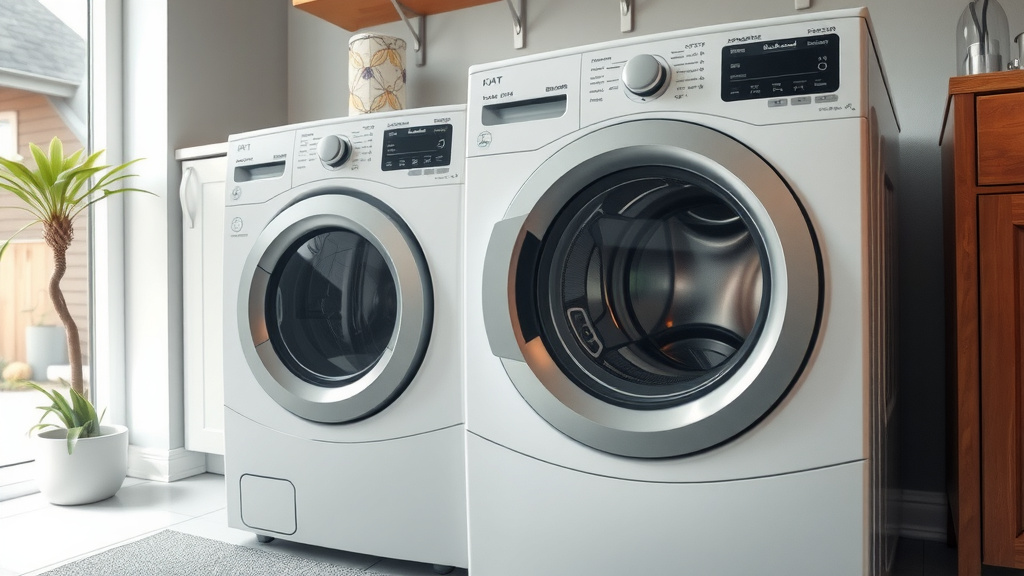
You’ve learned that standard washers and dryers usually measure around 27 inches wide, 30-34 inches deep, and 36-40 inches tall. Knowing these typical dimensions is your first step to a successful laundry appliance purchase. But remember, these are just guidelines. The most important action you can take now is to grab your tape measure. Accurately measure your specific laundry space, including pathways and doorways. This preparation ensures your new machines will fit perfectly and function without issue in your home.
Frequently Asked Questions
Are all washing machines the same width?
Most standard washing machines are approximately 27 inches wide, which is a common industry size. However, you can find compact models that are narrower, often around 24 inches, and some high-capacity units might be slightly wider.
Do I need to account for the dryer door when measuring depth?
Yes, absolutely. You need to measure the appliance’s depth plus the space required for the door to swing open fully. For front-load models, this can add another 10-15 inches, so ensure you have clearance for easy loading and unloading.
How tall are stacking washer and dryer units?
When stacked, the total height is roughly double the individual height of each appliance, plus any hardware needed for stacking. This can easily exceed 70-80 inches, so always measure your ceiling height and the path to your laundry room before buying.
What if my laundry space is very small?
If you have a limited space, look for compact or apartment-sized washers and dryers. These are typically narrower (around 24 inches) and may also be shallower and shorter than standard models, designed to fit in tighter spots.
Does the depth measurement include the back hoses?
The stated depth usually includes the main body of the appliance and any parts that protrude, such as control panels or protruding door handles. It’s wise to check the full specs, but you should also add a few inches for any hoses or vent connections at the back.