Best Washing Machines: Top Picks For Your Laundry Room
When looking for the best washing machines, you’ll want to consider models that offer excellent cleaning performance and are energy efficient. Top-rated machines often feature advanced wash cycles and smart technology to handle various fabric types and soil levels effectively. We’ve researched many options to help you find the perfect fit for your laundry needs.
Choosing the right washing machine means balancing cleaning power with user-friendly features. Many households prioritize durability and water savings when making this important purchase. We found that understanding different types, like front-load versus top-load, is key to finding a machine that suits your home.
- Front-load washers generally offer better cleaning and are more water-efficient.
- Top-load agitator models are often less expensive upfront.
- High-efficiency (HE) top-load models provide a good balance of cleaning and efficiency.
- Look for machines with various cycles for different fabrics.
- Consider capacity based on your household size and laundry habits.
Let’s walk through what makes a washing machine one of the best and guide you toward your ideal choice.
Finding Your Ideal Washing Machine
You’re in the market for a new washing machine, and we’re here to help you navigate the options. Selecting the right one means finding a balance. You want a machine that cleans your clothes effectively without costing too much to run. We researched many models to highlight key features and types that stand out.
Understanding Washing Machine Types
The first big decision you’ll make is between a front-load and a top-load washer. Both have their own set of advantages. Your choice often depends on your laundry habits, budget, and what you prioritize in a washing machine.
Front-Load Washers: The Efficiency Champions
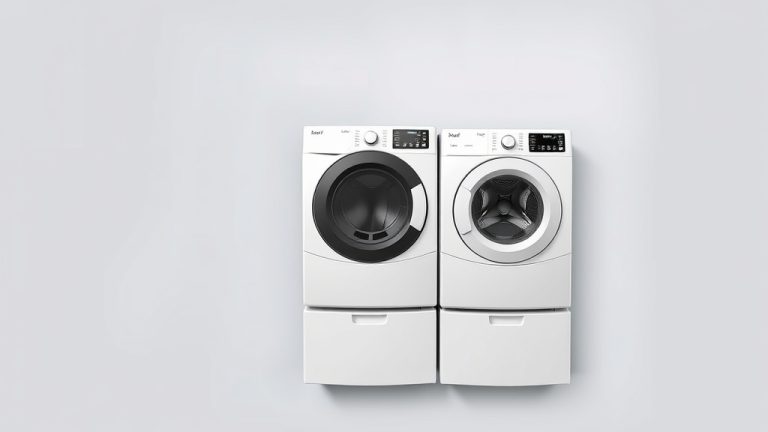
Front-load washers tumble clothes through water, much like a dryer. This method is incredibly gentle on fabrics. It also uses less water and energy compared to many other types. We found that front-loaders often have higher spin speeds. This means clothes come out drier, reducing dryer time and saving energy.
Many experts agree that front-loaders offer superior cleaning performance. They can handle larger loads, which is great for busy households. You might find they are a bit more expensive upfront. However, the long-term savings on water and energy can make up for it. Plus, many models come with sanitization cycles, which is a nice bonus.
Top-Load Washers: Simplicity and Accessibility
Top-load washers are the classic choice for many. You can simply toss your clothes in from the top. They come in two main varieties: those with an agitator and those without (high-efficiency or HE models).
Agitator Top-Loaders: The Traditional Workhorses
These are the machines most people grew up with. A central post, the agitator, twists and turns clothes. Agitator models are typically less expensive to buy. They also tend to be quicker to fill and start a cycle. However, they can be harsher on clothes and use more water.
High-Efficiency (HE) Top-Loaders: A Modern Twist
HE top-loaders skip the central agitator. Instead, they use a low-profile impeller to move clothes around. This design allows for larger capacities and better water efficiency. We found these models often provide a good middle ground between cleaning performance and cost.
Key Features to Look For
Beyond the basic type, several features can make a washing machine truly stand out. Thinking about these will help you narrow down your choices.
Capacity: How Much Laundry Do You Do?
Washer capacity is measured in cubic feet. It tells you how much laundry the drum can hold. A small household of one or two might be fine with a 4.0 to 4.5 cubic foot model. For larger families, a 5.0 cubic foot or larger machine is often a better fit. Consider if you often wash bulky items like comforters or sleeping bags. You’ll want a machine with enough space for those.
Wash Cycles and Options: Tailored Cleaning
The best washing machines offer a variety of cycles. Think about what you wash most often. You’ll want cycles for delicates, permanent press, and heavy-duty loads. Some machines have specialized cycles like:
- Steam cleaning: Helps remove tough stains and allergens.
- Sanitize cycles: Uses high heat to kill bacteria.
- Quick wash: For lightly soiled items you need done fast.
- Bulky/bedding: Optimized for large, awkward items.
Energy and Water Efficiency: Saving Money and the Planet
Look for the ENERGY STAR certification. This means the machine meets strict energy efficiency guidelines set by the U.S. Environmental Protection Agency. Energy-efficient washers use less electricity and water. This translates to lower utility bills over time. Many experts point out that this is a smart investment for the long run (ENERGY STAR).
Smart Technology: Convenience at Your Fingertips
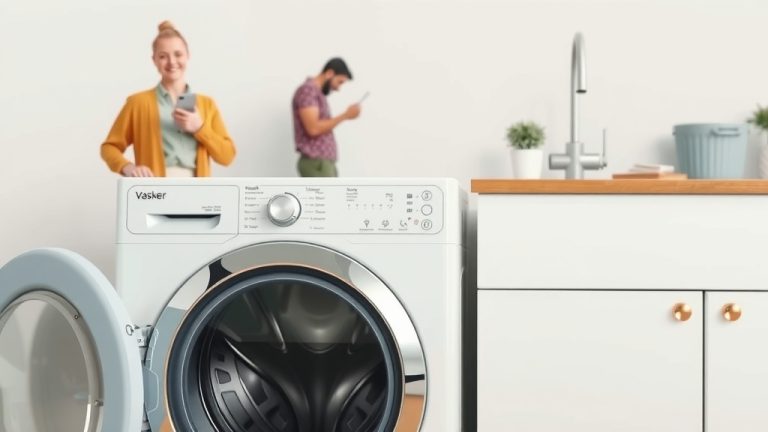
Many newer washers come with smart features. You can often connect them to your home Wi-Fi. This allows you to control and monitor your washer from your smartphone. You might get notifications when a cycle is done. Some even let you download new wash cycles. While not essential for everyone, these features add a layer of convenience.
A Quick Comparison: Front-Load vs. Top-Load
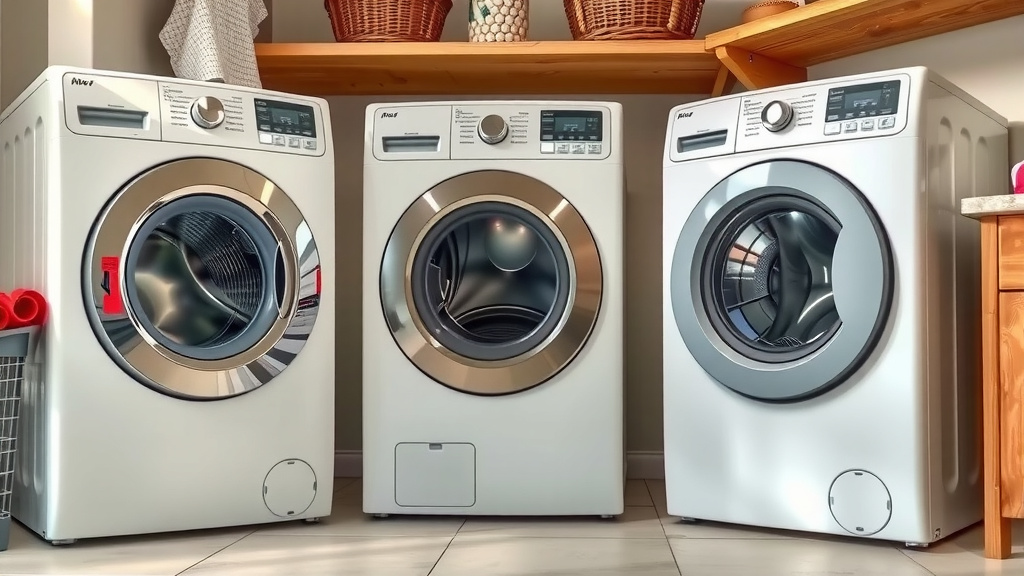
To help you visualize the differences, we’ve put together a simple comparison. Think about which aspects matter most to you.
| Feature | Front-Load Washer | Top-Load Washer (HE) | Top-Load Washer (Agitator) |
|---|---|---|---|
| Cleaning Performance | Excellent | Good | Fair to Good |
| Water Efficiency | Very High | High | Low |
| Energy Efficiency | Very High | High | Fair |
| Gentle on Clothes | Yes | Yes | No |
| Capacity | Generally Large | Large | Medium to Large |
| Upfront Cost | Higher | Medium | Lower |
| Cycle Time | Longer | Medium | Shorter |
Your Checklist for Choosing a Washer
Ready to make a decision? Keep this handy checklist with you:
- Assess your laundry needs: How many people are in your home?
- Consider capacity: Can it handle your typical loads and bulky items?
- Prioritize features: Which wash cycles are a must-have for you?
- Check energy ratings: Look for ENERGY STAR certification.
- Set a budget: Include both upfront cost and long-term operating expenses.
- Read reviews: See what other users say about durability and performance.
Conclusion
You’ve learned that finding the best washing machine involves understanding your needs and the options available. We’ve seen that front-loaders excel in efficiency and cleaning, while top-loaders offer accessibility and a range of choices. Prioritizing features like capacity, special cycles, and energy ratings will help you make a smart investment. Your next step is to use the checklist we provided and compare models based on what matters most to your household.
Frequently Asked Questions
How do I know what washing machine capacity I need?
Consider your household size and laundry habits. For one or two people, a 4.0 to 4.5 cubic foot capacity is often sufficient. Larger families or those who wash bulky items regularly should look for 5.0 cubic feet or more to ensure everything fits comfortably.
Are front-load washers really worth the higher upfront cost?
Many experts agree they are. While front-loaders typically cost more initially, their superior water and energy efficiency lead to significant savings on utility bills over the machine’s lifespan. They are also gentler on your clothes, potentially extending their wear.
What’s the difference between an HE top-loader and a traditional agitator model?
HE top-loaders use a low-profile impeller to move clothes and generally offer better water efficiency and larger capacities. Traditional agitator models have a central post that twists clothes, are often less expensive, but tend to use more water and can be harsher on fabrics.
How important is the ENERGY STAR certification for washing machines?
It’s quite important if you want to save money and reduce your environmental impact. ENERGY STAR certified washers meet strict guidelines for energy and water efficiency set by the EPA. This means they use less electricity and water, lowering your utility bills over time.
Can smart features on a washing machine actually be useful?
For many, smart features offer convenience. You can often control and monitor your wash cycles from your smartphone, receiving notifications when a load is done or even downloading new cycles. While not essential for everyone, they add a modern layer of ease to laundry chores.