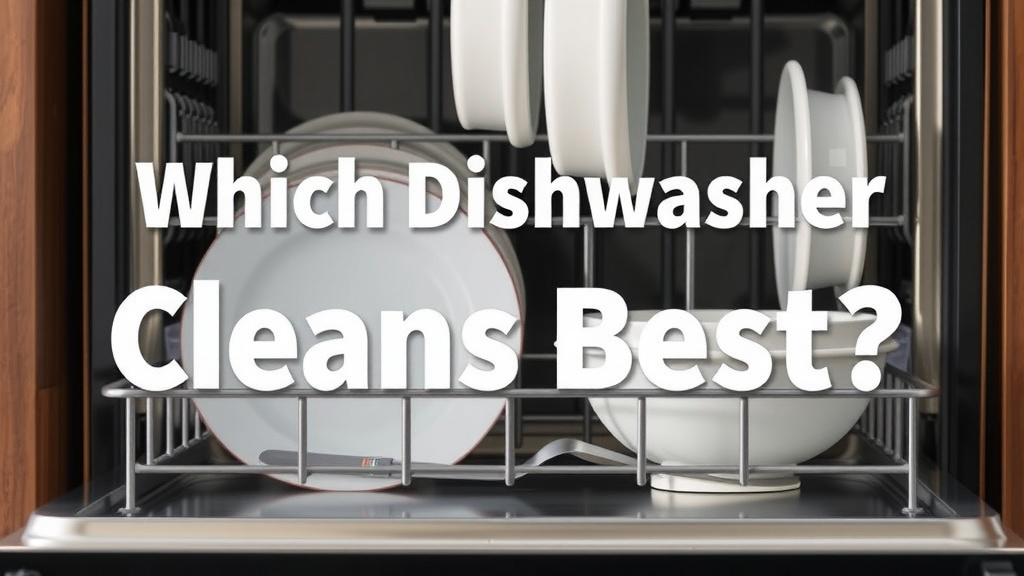
Which Dishwasher Cleans Best? Top Picks For Sparkling Dishes
When it comes to getting your dishes sparkling clean, many brands excel, but research consistently shows that Bosch dishwashers often deliver the best overall cleaning performance. They tend to handle tough, baked-on food without a fuss. You’ll also find that many models offer superior drying capabilities, leaving your dishes ready to put away.
Choosing the right dishwasher means looking beyond just the clean dishes. We found that other top contenders like Miele and KitchenAid also score highly. Consider factors such as energy efficiency and noise level. Your ideal dishwasher balances powerful cleaning with features that fit your household needs and budget.
- Bosch often leads for overall cleaning power.
- Look for strong performance on baked-on food.
- Drying ability is another key feature to check.
- Consider brands like Miele and KitchenAid too.
- Your best choice depends on your specific needs.
Let’s dive into what makes certain dishwashers so effective and what you should be looking for to get the cleanest dishes possible.
Which Dishwashers Truly Get Your Dishes Cleanest?
So, you’re wondering which dishwasher is the champ when it comes to sparkling dishes? You’re not alone! We’ve looked into what makes a dishwasher truly effective. It’s not just about water and soap. Advanced technology plays a big role. We found that brands like Bosch often get top marks. They seem to have a knack for tackling even the toughest food grime.
What Makes a Dishwasher a Cleaning Powerhouse?
Several factors contribute to a dishwasher’s cleaning prowess. It’s a blend of design, technology, and how it uses resources. Let’s break down the key elements that lead to that satisfying, spotless shine.
Spray Arm Technology and Water Distribution
Think about how a car washes itself. It uses jets of water to reach every nook and cranny. A great dishwasher does something similar. Its spray arms are designed to rotate and angle water precisely. This ensures every plate, bowl, and utensil gets a good soaking. Some high-end models even have a third spray arm. This really helps dislodge stubborn food particles from tricky spots. We found that better water coverage means fewer re-washes.
Water Temperature and Heating Elements
Hot water is your friend when it comes to cleaning. It helps to break down grease and dried-on food more effectively. Dishwashers that can heat water to higher temperatures generally perform better. Many top-performing models have built-in water heaters. This ensures the water is consistently hot, regardless of your home’s water heater setting. Research suggests that water temperatures around 130°F to 140°F are ideal for breaking down food soils (U.S. Department of Energy). This is why models with robust heating systems often shine.
Detergent Dispensing and Rinse Cycles
It’s not just about the water; the detergent plays a starring role. How and when the detergent is released can impact cleaning. Many modern dishwashers have smart dispensers. These release the right amount of detergent at the optimal time during the cycle. Multiple rinse cycles also help. They ensure all soap residue is washed away. This leaves your dishes looking clean, not streaky. We found that a good rinse cycle is key to that spotless finish.
Drying Capabilities: Beyond Just Air Drying
Getting dishes clean is one thing; getting them dry is another. Many people find that wet dishes are just as frustrating as dirty ones. Some dishwashers rely on residual heat from the wash cycle. Others use a dedicated heating element. A popular and effective method is condensation drying. This uses the hot final rinse to create steam. The stainless steel tub walls then cool the steam, causing it to condense into water. This water then drains away. This method is often more energy-efficient and gentler on plastics than heated drying. Bosch, for example, is well-known for its excellent condensation drying systems.
Top Brands Leading the Pack in Cleaning Performance
While many brands offer good cleaning, a few consistently rise to the top in expert reviews and consumer satisfaction. These brands have invested heavily in the technologies we just discussed.
Bosch: A Consistent Performer
As mentioned, Bosch frequently appears at the top of cleaning performance lists. They are renowned for their quiet operation and, importantly, their excellent cleaning results. Many Bosch models utilize a range of advanced spray technologies and efficient drying methods. We found that their engineering often leads to a superior clean, even on heavily soiled dishes.
Miele: The Premium Choice for Cleanliness
Miele dishwashers are often considered a premium option. They are built with durability and high performance in mind. Miele dishwashers often feature robust construction and sophisticated washing systems. They are designed to handle tough food residues effectively. Their advanced drying techniques also ensure dishes come out ready to use. While they can be an investment, many users report them lasting for decades with excellent cleaning.
KitchenAid: Power and Style Combined
KitchenAid dishwashers are known for their powerful cleaning capabilities. They often boast strong wash arms and multiple wash zones. This ensures water reaches all areas of the tub. Many models also offer flexible loading options. This helps you fit more in, so you can run fewer loads. Their cleaning performance is frequently highlighted in consumer reports as being consistently good.

What to Look for When Buying Your Next Dishwasher
Choosing the right dishwasher involves balancing cleaning power with other important features. Here’s a quick checklist to guide you:
- Soil Sensors: These detect how dirty your dishes are. The dishwasher then adjusts the cycle time and water usage accordingly. This saves water and energy.
- Adjustable Racks: You’ll want to fit all your pots, pans, and oddly shaped items. Adjustable racks make loading much easier.
- Third Rack: This top rack is perfect for silverware, utensils, and small items. It frees up space in the lower rack.
- Noise Level: Dishwashers are measured in decibels (dB). Below 45 dB is considered very quiet. A quieter dishwasher won’t disrupt your household.
- Energy Efficiency: Look for the ENERGY STAR label. This means the dishwasher meets strict energy efficiency guidelines. It can save you money on utility bills.
- Reliable Drying: As we discussed, good drying is as important as good washing. Check reviews for how well a model handles drying different types of items.
Understanding Different Wash Cycles
Most dishwashers come with a variety of cycles. Knowing what they do can help you choose the best one for your needs.
Normal/Auto Cycle
This is your everyday workhorse. It’s designed for a typical load of dishes with average food soil. Auto cycles often use sensors to determine the best settings. This provides a good balance of cleaning power and efficiency.
Heavy/Pots & Pans Cycle
When you have baked-on cheese or stubborn grease, this cycle is your best bet. It uses higher temperatures and longer wash times. It’s designed to tackle your toughest cleaning challenges. Use this for heavily soiled items that need extra attention.
Light/Quick Cycle
For dishes that aren’t heavily soiled or when you’re in a hurry, this cycle is ideal. It uses less water and a shorter cycle time. It’s great for refreshing plates or lightly used glassware. Just don’t expect it to handle dried-on food effectively.
Delicate/China Cycle
This gentler cycle is for your fine china or delicate items. It uses lower temperatures and less water pressure. This helps prevent damage to fragile items. Always check your manufacturer’s recommendations for washing delicate dishware.
By understanding these cycles, you can ensure your dishwasher is working smarter, not harder. This means cleaner dishes and potentially lower utility bills.
Conclusion
When you’re looking for the cleanest dishes, remember that brands like Bosch, Miele, and KitchenAid consistently excel. The best cleaning power comes from smart spray arm technology, precise water temperature control, and effective detergent dispensing. Don’t forget about drying; condensation drying is a highly effective method many top brands use. Your ideal dishwasher will blend these cleaning essentials with features that fit your specific kitchen and lifestyle. To find your perfect match, think about your most common cleaning needs and which brands are proven performers.
Frequently Asked Questions
Do all dishwashers clean equally well?
No, not all dishwashers perform the same. While many offer decent cleaning, some brands and models use more advanced technology. Features like superior spray arm design, better water heating, and optimized detergent release contribute to a noticeably cleaner result, especially on tough, baked-on food.
Is a higher water temperature the most important factor for cleaning?
Water temperature is very important for breaking down grease and food. However, it’s just one piece of the puzzle. Effective spray arm action to physically dislodge food and the right detergent dispensing are equally vital for achieving spotless dishes.
What does “condensation drying” mean for my dishes?
Condensation drying uses the hot water from the final rinse to create steam. The cooler stainless steel tub walls then cause this steam to condense into water, which drains away. This method leaves dishes dry without relying on a heating element, making it energy-efficient and gentle.
Are expensive dishwashers always the best cleaners?
While premium brands like Miele often offer excellent cleaning, you don’t necessarily need the most expensive model. Brands like Bosch offer top-tier cleaning performance at various price points. It’s more about the specific cleaning technologies employed by the dishwasher rather than just the price tag.
How can I ensure my dishwasher continues to clean well?
Regular maintenance is key. You should clean your dishwasher’s filter regularly to prevent clogs. Using the correct amount of detergent and selecting the appropriate wash cycle for the soil level of your dishes will also help ensure consistently clean results.