Wash Tower vs Stackable Washer Dryer: Which is Right
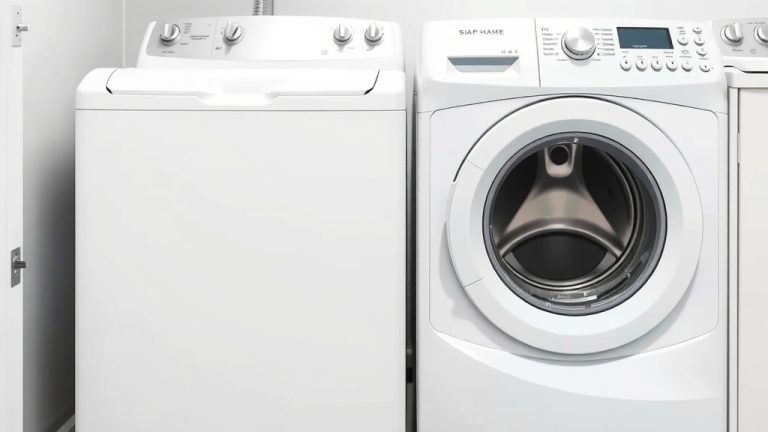
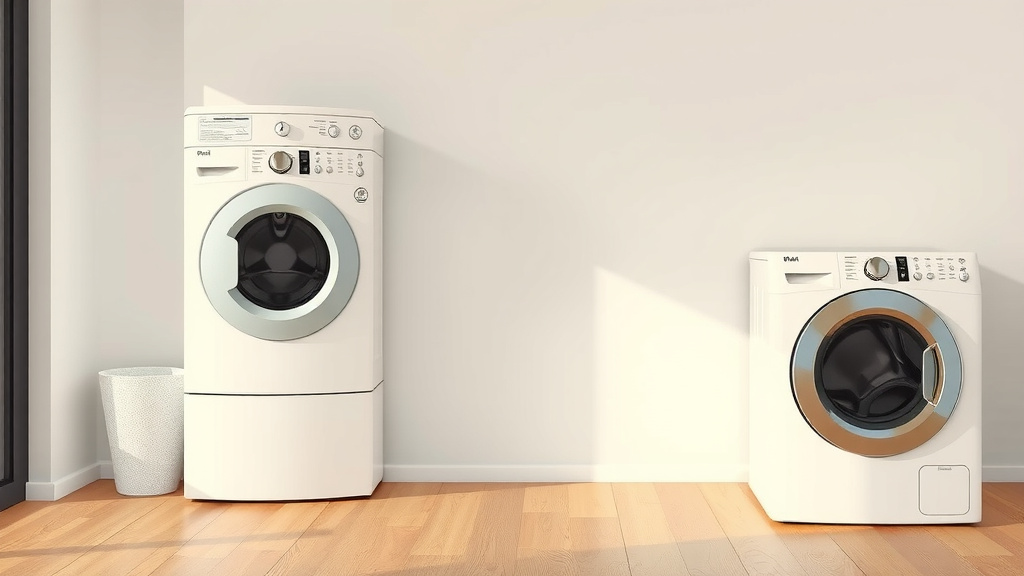
Choosing between a wash tower and a stackable washer and dryer really comes down to your available space and laundry needs. A wash tower is essentially a combined unit, while stackable units allow you to arrange a separate washer and dryer vertically. For apartments or tiny homes, a wash tower often wins for its compact design. However, stackable units offer more flexibility if you need different-sized machines or want to upgrade just one appliance later.
We found that both options are designed to save floor space compared to traditional side-by-side laundry appliances. The key difference lies in how they are constructed and configured. A wash tower is a single, integrated unit that handles both washing and drying, often using a unique venting system or ventless drying. Stackable units require you to purchase a compatible washer and dryer and then use a special kit to safely secure them on top of each other. Our guide to washing machine cost can help you budget for either option.
TL;DR:
- Wash tower = single, combined unit for washing and drying.
- Stackable = separate washer and dryer that can be mounted vertically.
- Wash towers are great for super tight spaces.
- Stackables offer more flexibility in appliance choice.
- Consider your laundry volume and space size.
Let’s dive into what makes each one unique and which might be the perfect fit for your home.
Understanding Your Compact Laundry Options: Wash Tower vs. Stackable
You’re looking for a smart laundry solution that fits your living space. It’s a common puzzle many renters and homeowners face. You want clean clothes without sacrificing precious square footage. That’s where wash towers and stackable units shine. We’ve found that both are excellent choices for maximizing vertical space. Let’s break down what makes each one tick so you can make the best decision for your home.
The Wash Tower: All-in-One Simplicity
Think of a wash tower as a single, unified appliance. It houses both the washer and the dryer in one sleek package. You typically find them side-by-side within a tall cabinet, or sometimes one above the other, but always as a single, connected unit. They are designed to be incredibly space-efficient. You just plug it in and go.
How Wash Towers Work
Many wash towers use a special system. The clothes are washed in the bottom compartment and then transferred to the top for drying. This transfer can be manual or automatic, depending on the model. Some advanced models even have a shared venting system, making installation simpler. Others use ventless drying technology, which is great if you don’t have external venting options. This makes them a fantastic choice for apartments.
Advantages of a Wash Tower
- Space Saving: They take up a footprint similar to a single appliance.
- Ease of Installation: Often simpler hookups, especially ventless models.
- Aesthetics: They offer a clean, integrated look.
- User-Friendly: Designed for straightforward operation.
Potential Downsides to Consider
Wash towers can sometimes have smaller capacities than traditional machines. Because it’s one unit, if one part breaks, the whole appliance might need repair or replacement. Finding models with specialized features might also be more limited compared to the vast range of individual washers and dryers.
Stackable Washer and Dryer Sets: Modular Flexibility
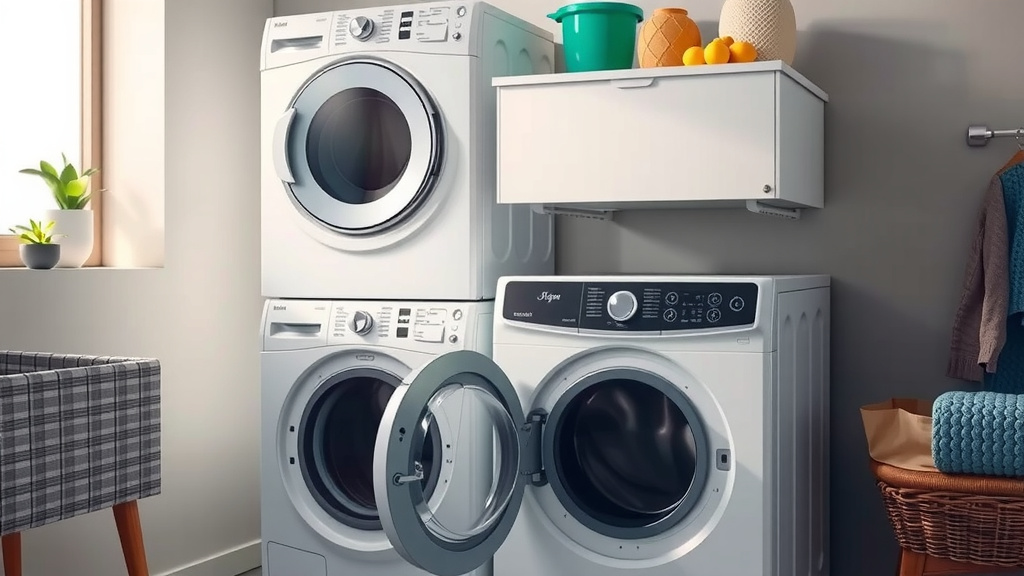
Stackable units are different. They consist of a separate washing machine and a separate dryer. You buy them individually but use a special kit to securely mount the dryer on top of the washer. This creates a vertical laundry system. It’s like building your own space-saving solution.
The Mechanics of Stacking
To stack your machines, you’ll need a washer and a dryer that are designed to be compatible. A stacking kit, often called a stacking bracket or adapter, is essential. This kit secures the dryer firmly to the washer. It usually includes straps or brackets to prevent any wobbling or shifting. Make sure the kit is approved for both your washer and dryer models. This ensures safety and stability.
Benefits of Going Stackable
- Appliance Choice: You can select the exact washer and dryer you want.
- Capacity Options: Often available in larger capacities.
- Repair Flexibility: If the dryer breaks, you can fix or replace just the dryer.
- Upgrade Potential: You can upgrade one appliance without replacing the other.
Things to Watch Out For
Stackable units require more planning. You need to ensure the machines are compatible and purchase the correct stacking kit. The combined height can be quite tall, so measure your space carefully. Installation might also be a bit more involved, especially if you need to run venting for the dryer. If the dryer is too heavy or your washer isn’t sturdy enough, it could pose a stability risk without proper installation.
Key Differences at a Glance
To help you visualize, let’s compare them directly. Here’s a quick rundown of what sets them apart:
| Feature | Wash Tower | Stackable Washer & Dryer |
|---|---|---|
| Unit Type | Single, integrated appliance | Two separate, compatible appliances |
| Installation | Generally simpler, often plug-and-play | Requires a stacking kit, potentially more complex hookups |
| Appliance Selection | Limited to specific models | Wide variety of choices |
| Capacity | Often smaller | Can find larger capacities |
| Repair | Entire unit may need service | Individual units can be serviced |
| Space Footprint | Very compact, single unit design | Vertical space saving, two units stacked |
Capacity Considerations
When we looked at the data, many wash towers were designed for individuals or couples. They often have smaller drum sizes. This is perfect for smaller loads and less frequent laundry. Stackable units, on the other hand, can be found with larger capacities. If you have a big family or do many large loads, stackables might be more suitable. Many experts suggest checking the cubic feet of the drum for both options (Cleveland Clinic).
Installation and Venting Needs
This is a big one. Wash towers, especially ventless models, are lifesavers for homes without existing dryer vents. They often just need a water line and a standard electrical outlet. Stackable dryers typically require external venting. You’ll need to ensure you have a way to vent the hot, moist air outside. Improper venting can lead to moisture buildup and potential mold issues, which is something to avoid.
Making Your Choice: What to Look For
So, how do you decide? It really comes down to your personal situation. Consider these points before you buy:
- Measure Your Space: Accurately measure the height, width, and depth available.
- Laundry Volume: How much laundry do you do? Who are you doing it for?
- Venting Options: Do you have a place to vent a dryer?
- Budget: Prices can vary significantly between models and brands.
- Features: What wash cycles and drying features are important to you?
A Quick Checklist for Your Decision
To make your choice easier, ask yourself these questions:
- Do I have very limited floor space?
- Do I need a simple, all-in-one solution?
- Is a large wash capacity a must-have?
- Can my home accommodate dryer venting?
- Do I want the freedom to choose my washer and dryer brands?
- Am I comfortable with a taller appliance structure?
Conclusion
Choosing between a wash tower and a stackable washer and dryer really boils down to your specific needs and living situation. If you have minimal space and want an all-in-one, simple solution, a wash tower is likely your best bet. For those who prioritize customization, larger capacities, or the ability to mix and match brands, a stackable set offers more flexibility. We’ve seen that both are excellent ways to reclaim floor space. Now, take a close look at your laundry habits and your available dimensions, and you’ll be able to confidently pick the perfect compact laundry solution for your home.
Frequently Asked Questions
Are wash towers generally more energy-efficient than stackable units?
Energy efficiency can vary greatly by specific model for both types. Some wash towers, particularly those with ventless drying, can be quite efficient. However, many high-efficiency stackable washers and dryers also offer excellent energy ratings. It’s best to compare the Energy Star certifications and estimated annual energy costs for the specific models you are considering.
Can I stack any brand of washer and dryer, or do they need to be the same brand?
While it’s safest and often recommended to use the same brand for stackable units, it’s not always strictly required. The critical factor is using a compatible stacking kit approved for both your specific washer and dryer models. Check the manufacturer’s guidelines for both appliances and the stacking kit to ensure stability and safety.
What are the typical height dimensions of a stacked washer and dryer unit?
Stacked washer and dryer units can be quite tall. You can generally expect the combined height to range from around 70 to 80 inches, sometimes even more, depending on the models. Always measure your vertical space carefully, including door clearances for installation, before deciding on a stackable set.
How much more does a wash tower usually cost compared to a stackable set?
The cost can vary widely. Basic wash towers might be comparable in price to mid-range stackable units. However, high-end wash towers with advanced features can be more expensive than many stackable options. When comparing, consider that a stackable set involves purchasing two separate appliances, while a wash tower is a single unit.
Is a wash tower a good option if I have very limited plumbing hookups?
Yes, a wash tower can be an excellent choice if you have limited plumbing. Many wash towers, especially ventless models, are designed for simpler installation. They often require just a standard water line connection and a drain, similar to a standard washing machine, and may not need complex dryer venting.