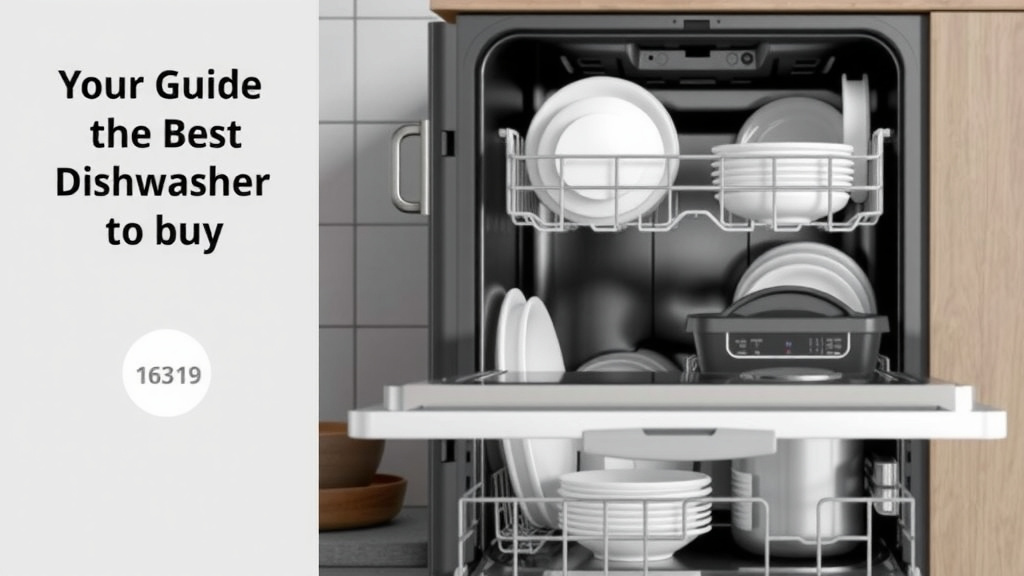
Your Guide to Buying the Best Dishwasher
When buying a new dishwasher, focus on finding a model that fits your budget, cleans dishes effectively, and offers the features you need most. Consider energy efficiency and noise levels to ensure it’s a good fit for your kitchen and your utility bills. A reliable dishwasher can save you time and hassle.
Choosing the right dishwasher involves balancing price with performance. We found that many consumers prioritize quiet operation and specific wash cycles, like sanitizing options. Don’t overlook the importance of interior tub material and rack flexibility for maximizing space and durability. Many experts agree that a good dishwasher is an investment in your kitchen.
- Determine your budget first.
- Prioritize cleaning performance.
- Look for energy-saving features.
- Consider noise level (decibels).
- Think about capacity and rack design.
Now that you know the key considerations, let’s walk through the factors to help you pick the perfect dishwasher for your home.
Choosing the Right Dishwasher for Your Home
Selecting a new dishwasher can feel overwhelming with so many options. You want a machine that cleans your dishes well without breaking the bank. We’ve researched what matters most to homeowners. Here’s how to navigate the choices to find your perfect fit.
Budgeting for Your Dishwasher Purchase
Your budget is likely the first thing on your mind. Dishwashers range from a few hundred dollars to over a thousand. A good rule of thumb is to set a realistic price range before you start shopping. This will help narrow down your choices quickly.
Entry-Level Options
Basic models often start around $400 to $600. These dishwashers typically offer standard wash cycles and a decent capacity. They get the job done without many fancy extras. You’ll find they are reliable workhorses for everyday needs.
Mid-Range Choices
For around $700 to $1,000, you’ll find dishwashers with more advanced features. Expect better noise insulation, more wash cycles, and improved rack designs. These machines often offer better energy efficiency too. They strike a great balance between cost and performance.
High-End Models
If your budget stretches to $1,000 and beyond, you’ll find premium dishwashers. These often boast the quietest operation and the most specialized wash options. They might include features like third racks, smart technology, and stainless steel interiors. These are for those who want the best and are willing to pay for it.
Understanding Key Dishwasher Features
Beyond price, specific features can make a big difference in your daily life. Think about how you use your dishwasher and what would make it easier.
Noise Level: The Decibel Dilemma
Noise is a major factor for many people. A loud dishwasher can be disruptive, especially in open-plan kitchens. Dishwasher sound is measured in decibels (dB). Lower numbers mean a quieter machine.
- Below 45 dB: Very quiet, you’ll barely notice it.
- 45-50 dB: Moderately quiet, like a normal conversation.
- Above 50 dB: You’ll likely hear it running.
We found that many consumers prioritize models under 45 dB. Check the product specifications for this number. Some manufacturers even offer sound-dampening insulation.
Wash Cycles and Options
Most dishwashers come with standard cycles like “Normal,” “Heavy,” and “Light/Quick.” But look for specialized cycles that match your needs.
- Sanitize Cycle: This option uses higher temperatures to kill bacteria. It’s great for baby bottles or if someone in your household is often sick (CDC guidelines suggest high heat for sanitization).
- Quick Wash: Perfect for lightly soiled dishes you need in a hurry.
- Pots & Pans Cycle: Designed to tackle tougher, baked-on food.
- Delicate/China Cycle: For your most fragile items.
- Soil Sensor: This feature adjusts water usage and cycle time based on how dirty your dishes are. It helps save water and energy.
Interior Tub Material: Plastic vs. Stainless Steel
The material of the dishwasher tub affects durability and appearance. Plastic tubs are common in lower-priced models. They are lightweight and easy to clean. However, they can sometimes absorb odors over time. Stainless steel tubs are more durable, resist stains and odors, and often contribute to quieter operation. Many experts suggest stainless steel for its longevity.
Capacity and Rack Design: Making Space Work for You
How much space do you need? A standard dishwasher holds about 8-12 place settings. Larger families or those who entertain often might need a wider model or one with a third rack.
Rack Flexibility
Adjustable racks and fold-down tines can make a huge difference. You want to be able to fit bulky items like pots, pans, and platters. Some dishwashers offer third racks for silverware or small utensils. This frees up space in the lower rack.
Loading Your Dishwasher Like a Pro
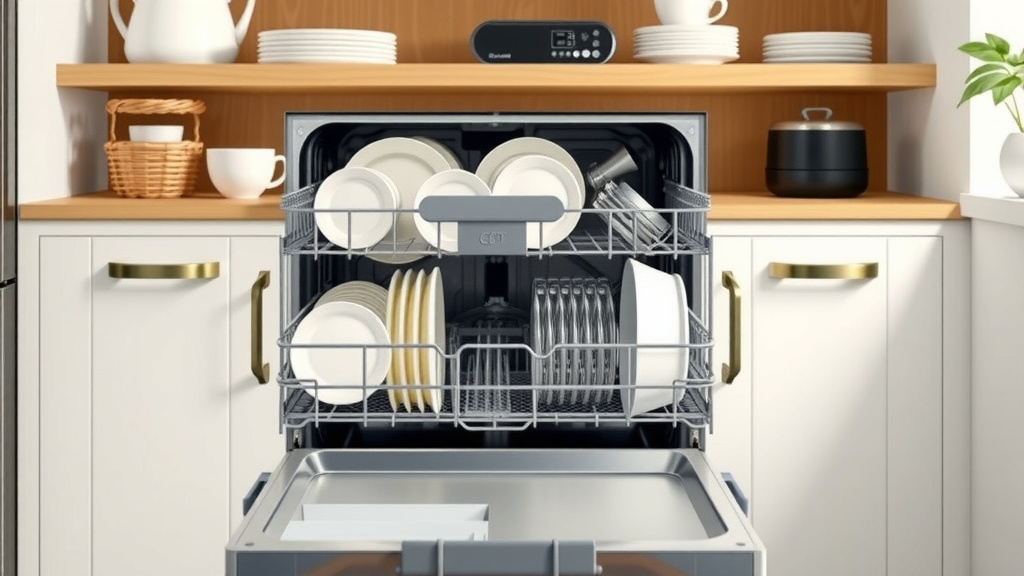
Proper loading can significantly improve cleaning results. Face dirtier surfaces towards the spray arms. Don’t let items block the spray. Place plastics on the top rack where they won’t warp.
Energy Efficiency: Saving Money and the Planet
Dishwashers use water and electricity. Look for the ENERGY STAR label. These models are certified to be more energy-efficient than standard ones. This can save you money on your utility bills over time. Guidelines from the U.S. Department of Energy suggest ENERGY STAR certified appliances are a smart choice for efficiency.
Considering Durability and Maintenance
You want a dishwasher that will last. Stainless steel tubs are generally more durable. Check reviews for common problems with specific models. Regular cleaning, like running an empty hot cycle with vinegar occasionally, can help keep your machine running smoothly. We found that simple maintenance extends the life of most appliances.
Your Dishwasher Buying Checklist
Here’s a quick rundown to help you make your decision:
- Set your budget first.
- Decide on the noise level you can tolerate (check dB).
- Identify essential wash cycles (e.g., sanitize, quick wash).
- Think about capacity and rack adjustability.
- Look for the ENERGY STAR label for efficiency.
- Read user reviews for common issues and durability.
Conclusion
You’re now equipped to find the dishwasher that best suits your home. Remember to balance your budget with essential features like effective cleaning and noise levels. Prioritizing a machine that meets your daily needs, from capacity to specific wash cycles, will lead to a satisfying purchase. Look for ENERGY STAR certification for long-term savings. Your next step is to visit a retailer or browse online, keeping your checklist handy, and start comparing models that fit your criteria.
Frequently Asked Questions
How much should I expect to spend on a new dishwasher?
Dishwasher prices vary widely, typically ranging from around $400 for basic models to over $1,000 for high-end options. Mid-range choices, offering a good balance of features and price, usually fall between $700 and $1,000. Setting a budget beforehand will help narrow your search.
What is considered a quiet dishwasher?
A quiet dishwasher is generally measured at 45 decibels (dB) or lower. If you have an open-plan kitchen, aiming for models below 45 dB is recommended so the noise isn’t disruptive. Anything above 50 dB might be noticeable when running.
Is a stainless steel tub really better than a plastic one?
Many experts suggest stainless steel tubs are a better long-term investment. They are generally more durable, resist stains and odors better than plastic, and often contribute to quieter operation. Plastic tubs are common in less expensive models and are lighter.
Do I need specialized wash cycles like ‘Sanitize’?
A sanitize cycle uses very high temperatures to kill bacteria, which can be beneficial for households with babies or immunocompromised individuals. While not strictly necessary for everyone, cycles like ‘Quick Wash’ or ‘Pots & Pans’ can greatly improve convenience for specific cleaning needs.
How important is ENERGY STAR certification?
ENERGY STAR certification indicates that a dishwasher is more energy-efficient than standard models. This means it uses less water and electricity, which can lead to noticeable savings on your utility bills over the appliance’s lifespan. It’s a smart choice for both your wallet and the environment.