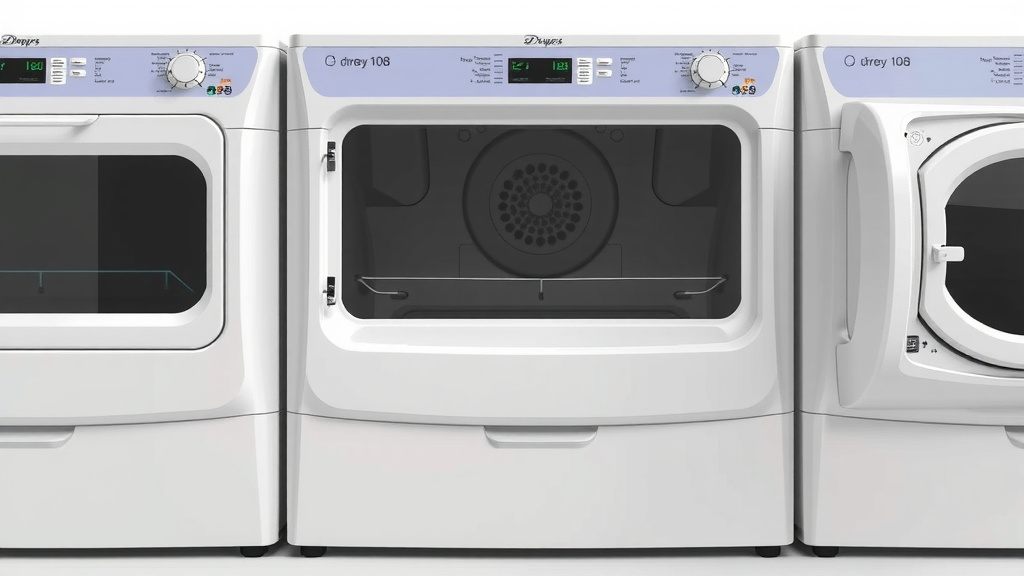
Electric Dryer Costs: What To Expect In 2026
Thinking about an electric dryer? You’re probably wondering about the cost. Generally, you can expect to spend between $700 and $1,800 for a new electric dryer. This price range can shift based on features and brands, so your final cost will depend on your specific choices.
When looking at electric dryer prices, consider not just the upfront purchase. Energy efficiency plays a big role in your long-term savings. Some models might have a higher initial cost but can save you money on your electricity bills over time. Think about the capacity and special cycles that matter most to your household.
- Electric dryers typically cost $700-$1800.
- Prices vary by brand and available features.
- Consider energy efficiency for long-term cost savings.
- Look at dryer capacity and special cycles.
- Installation and delivery can add to the total cost.
We’ve gathered the key details to help you understand electric dryer costs better. Let’s break down what influences the price and what you can expect. To understand dryer costs, it helps to compare them to washing machine costs.
So, you’re looking to understand the price tag on an electric dryer. That’s a smart move before heading to the store or browsing online. It helps to know what you’re getting into financially. We’ve gathered the details to give you a clear picture.
Understanding the Investment in an Electric Dryer
Getting a new electric dryer is an important household purchase. You want to know the typical costs involved. We found that most electric dryers fall within a common price range.
The Average Electric Dryer Price Tag
When you’re shopping, you’ll see a range of prices for electric dryers. For a standard electric model, expect to spend somewhere between $700 and $1,800. This range covers many options. It’s not a small purchase, so it’s good you’re doing your homework.
Factors Influencing Dryer Costs
Several things can push the price up or down. Think of it like buying a car. Some features are standard, while others are premium upgrades. Your choices directly impact the final cost.
Brand Reputation and Quality
Just like with other appliances, brand matters. Well-known brands often have a higher price point. This is sometimes due to their reputation for durability and better customer service. We found that premium brands can add a few hundred dollars to the bill.
Capacity and Size Matters
Dryer capacity is measured in cubic feet. Do you have a big family or just yourself? Larger capacity dryers can handle more laundry at once. This means fewer loads. These bigger machines often come with a slightly higher price tag. Small households might be fine with a standard size, saving you money.
Advanced Features and Technology
This is where prices can really start to climb. Do you want smart features? Maybe steam cycles to refresh clothes? Or sensors that stop the dryer when clothes are perfectly dry? These bells and whistles add to the cost. Basic models do the job well. More advanced models offer convenience and better fabric care. We found that smart technology, in particular, can add a premium.
Energy Efficiency Ratings
Energy Star certified dryers are designed to use less electricity. They might cost more upfront. But, they can save you money on your utility bills over the dryer’s lifespan. Many experts suggest looking at these ratings for long-term savings (U.S. Department of Energy). A higher efficiency model could save you hundreds of dollars in energy costs over 10 years.
What’s Included in the Price?
When you see a price tag, what exactly are you paying for? It’s usually just the dryer itself. However, there are other potential costs to consider. These can add up quickly if you’re not prepared.
Delivery and Installation Fees
Most retailers charge for delivery. Some may offer free delivery, especially if you buy other appliances at the same time. Installation can also cost extra. This might involve hooking up the dryer to your electrical outlet and ventilation system. If you need a new electrical outlet installed, that’s another expense. We found that these fees can range from $50 to $200 or more.
Extended Warranties and Protection Plans
Retailers often offer extended warranties. These can cover repairs for a few extra years beyond the manufacturer’s warranty. Think of it like insurance for your dryer. These plans can add $100 to $300 to your total cost. Whether it’s worth it depends on your comfort level with potential repair costs.
Price Breakdown: A Quick Look
Let’s break down the typical costs you might encounter. This gives you a clearer picture of where your money goes.
| Dryer Type/Feature | Typical Price Range | Notes |
|---|---|---|
| Basic Electric Dryer | $500 – $700 | Fewer features, standard capacity. |
| Mid-Range Electric Dryer | $700 – $1,200 | More features, better efficiency, larger capacity. |
| High-End/Smart Electric Dryer | $1,200 – $1,800+ | Advanced technology, steam, smart connectivity. |
| Delivery & Installation | $50 – $200+ | Varies by retailer and services needed. |
| Extended Warranty | $100 – $300 | Optional protection plan. |
This table shows you the range. Remember, these are general estimates. Your actual costs could be higher or lower.
Making the Smart Purchase: Your Checklist
Ready to find the right electric dryer for your budget? Use this quick checklist to stay on track.
- Set a clear budget: Know your maximum spending limit.
- Prioritize features: What’s essential for your laundry needs?
- Compare brands: Research reliability and customer reviews.
- Check energy ratings: Look for Energy Star certification.
- Factor in delivery/installation: Get quotes from retailers.
- Consider warranty options: Decide if an extended warranty is right for you.
By considering these points, you’ll be well-equipped to make a decision. You can find an electric dryer that fits your needs and your wallet. Happy shopping!
Conclusion
You’re now well-equipped to navigate the cost of an electric dryer. We’ve found that while the average price sits between $700 and $1,800, your final investment depends on choices like brand, capacity, and smart features. Remember to factor in potential delivery and installation fees, which can add another $50 to $200. By prioritizing what truly matters for your household and comparing options, you can find a dryer that balances performance and budget. Your next step is to create a clear budget and make a list of must-have features before you start shopping.
Frequently Asked Questions
Do cheaper electric dryers perform just as well?
Basic electric dryers can certainly get the job done. However, they often lack advanced features like moisture sensors or steam cycles. You might find yourself running longer cycles or needing to check clothes more often. For many households, a mid-range model offers a better balance of performance and cost.
Are Energy Star certified electric dryers worth the extra upfront cost?
Research suggests they often are. While Energy Star models may have a higher purchase price, their improved energy efficiency can lead to substantial savings on your electricity bills over the dryer’s lifetime. This long-term cost reduction can often outweigh the initial price difference.
How much extra should I budget for installation?
Budget around $50 to $200 for installation, depending on your location and the retailer. This typically covers connecting the dryer to your existing electrical outlet and vent. If you need new electrical work or vent modifications, expect additional charges.
Are smart electric dryers significantly more expensive?
Yes, smart electric dryers typically fall into the higher end of the price range, often costing $1,200 and up. Features like Wi-Fi connectivity, app control, and remote diagnostics contribute to this higher cost. Consider if these convenience features are a priority for your daily routine.
Can I find a decent electric dryer for under $700?
It’s possible, but you’ll likely be looking at basic models with fewer features and standard capacity. You might find them during sales events or as close-out models from older lines. Keep in mind that a very low price point might mean sacrificing some convenience or efficiency.