High Efficiency vs Regular Washers: What’s the Real Difference
The main difference between a high-efficiency washer and a regular washer is how they use water and energy. High-efficiency (HE) models use much less water and spin faster to remove more moisture, saving you money on utility bills. Regular washers typically use more water and have slower spin cycles.
When you’re looking to buy a new washing machine, understanding these differences is key. HE washers often clean clothes just as well, if not better, than older, standard models. They are designed to be kinder to your wallet and the environment by using less water and detergent.
- High-efficiency (HE) washers use less water.
- HE washers use less energy.
- HE washers spin clothes faster.
- This saves you money on utility bills.
- Regular washers use more water and energy.
We’ve researched the key distinctions to help you decide which type is best for your laundry needs. Let’s break down exactly what makes them different.
Understanding the Core Differences in Washing Machine Technology
You’re probably wondering what really sets a high-efficiency (HE) washer apart from the traditional machines you might be used to. The main difference boils down to how much water they use. HE washers are designed to be super water-wise. Regular washers, on the other hand, often act like a miniature swimming pool for your clothes.
This fundamental difference in water usage leads to a cascade of other distinctions. It affects how they clean, how much energy they consume, and even how your clothes come out of the spin cycle. Let’s dive deeper into what makes these machines operate so differently.
Water Usage: The Big Divergence
The most striking difference is the amount of water each type of washer consumes. Think of it like this: your old regular washer might fill up with several inches of water to wash your clothes. A high-efficiency washer operates with just a fraction of that.
How HE Washers Conserve Water
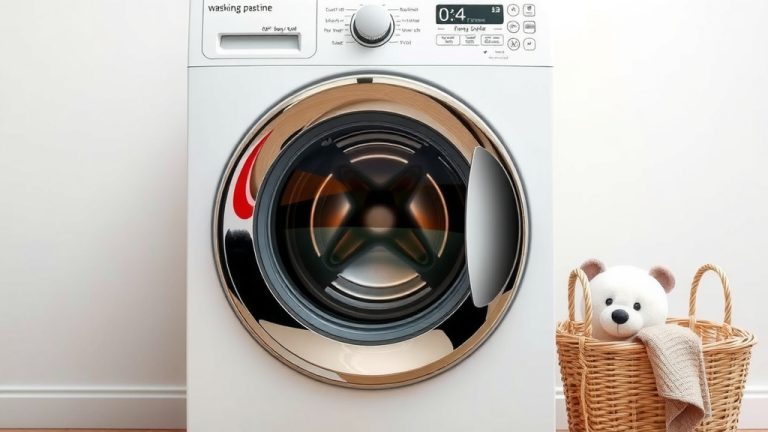
HE washers use a tumbling action, similar to a dryer, to move clothes through a small amount of water. They don’t submerge the clothes completely. Instead, they use sensors to determine the load size and add just enough water to get the job done efficiently. This means your clothes get cleaned with minimal water, often just enough to dampen them and allow the detergent to work.
The Water-Hungry Nature of Regular Washers
Regular washers, often called “top-loaders” because of their opening, typically rely on an agitator. This is the tall, finned post in the center of the drum. The agitator twists and turns, rubbing against your clothes and the water to clean them. To allow this movement and ensure clothes are fully saturated, these machines fill the tub with a substantial amount of water. We found that this can be 20 to 30 gallons per load for older models, sometimes more!
Energy Consumption and Efficiency
Less water usage in HE washers naturally leads to lower energy consumption. But there’s more to it than just heating water.
How HE Washers Save Energy
Because HE machines use less water, they also use less energy to heat that water (if you’re using hot cycles). A bigger energy saver, however, comes from their faster spin speeds. We found that HE washers can spin at 1,000 RPMs or more. This means more water is extracted from your clothes before they even hit the dryer.
The Dryer Connection
When your clothes come out of an HE washer, they are much drier. This directly translates to shorter drying times in your dryer. Since dryers are often one of the biggest energy consumers in your home, reducing dryer time saves you a significant amount of electricity or gas. Many experts suggest this is a hidden but very real energy-saving benefit of HE machines (Energy Star).
Energy Use in Regular Washers
Regular washers typically have slower spin speeds, often around 600-800 RPMs. This leaves more water in your clothes. Consequently, your dryer has to work harder and longer to get them dry. Plus, the larger volume of water means more energy is used for the wash cycle itself, especially if you opt for warmer water temperatures.
Cleaning Performance: Does HE Really Mean “Better”?
You might think using less water means less cleaning power. We found that’s generally not the case anymore.
HE Cleaning Technology
Modern HE washers use advanced wash actions. They employ different tumbling patterns and sometimes impellers (low-profile discs at the bottom) to move clothes effectively. Many studies and consumer reports indicate that HE machines provide excellent cleaning results. They are often gentler on fabrics too, helping your clothes last longer.
Traditional Cleaning Methods
While the agitator in regular washers is effective at scrubbing clothes, it can also be harsh. This can lead to more wear and tear on your garments over time. Some find the cleaning performance satisfactory, but it comes at the cost of higher resource usage.
Detergent Differences: A Small Detail, Big Impact
Because HE washers use less water, they also require less detergent. This is a critical point!
HE Detergent Requirements
You must use detergents specifically marked “HE” for high-efficiency washers. These detergents are formulated to produce very low suds. If you use regular detergent in an HE machine, you’ll likely create an excessive amount of suds. This can hinder the machine’s ability to rinse properly and may even cause overflows or damage. Many experts recommend using just a small amount, often a tablespoon or two (Consumer Reports).
Regular Washer Detergent Use
Regular washers are designed to handle the high suds produced by standard laundry detergents. You’ll typically use more detergent in these machines to create the necessary suds for the cleaning action. Using too little detergent in a regular washer might result in clothes not getting clean.
Cost Considerations: Upfront vs. Long-Term
When you’re shopping, the initial price tag can be a deciding factor. However, it’s smart to look beyond the sticker price.
Initial Purchase Price
Historically, HE washers tended to have a higher upfront cost compared to basic regular washers. This was often due to the more advanced technology and components involved. However, as HE technology has become more widespread, the price gap has narrowed considerably. You can now find HE models at various price points.
Savings Over Time
This is where HE washers truly shine. The reduced water and energy consumption translate directly into lower utility bills. Over the lifespan of the machine, these savings can more than offset a potentially higher initial purchase price. Some research suggests average household savings can be hundreds of dollars over 10 years (Energy Star).
Key Takeaways for Your Laundry Room
Making the switch to an HE washer involves a few adjustments, but the benefits are substantial. Here’s a quick rundown of what to remember:
- Always use HE-specific detergent.
- Expect less water usage per load.
- Prepare for shorter drying times.
- Check your machine’s manual for load size recommendations.
- Look for the Energy Star label for certified efficiency.
By understanding these differences, you can make an informed decision that benefits both your wallet and your laundry.
Conclusion
You’ve learned that high-efficiency (HE) washers and regular washers differ most in their water and energy use. HE models tumble clothes with minimal water, spin faster to remove more moisture, and require special low-suds detergent. Regular washers use more water and a central agitator, leading to longer drying times and higher utility bills. While the initial cost of an HE washer might be slightly higher, the long-term savings on water, energy, and even detergent make it a smart investment. Consider your household’s laundry habits and your budget to make the best choice for your home. Ready to upgrade? Look for Energy Star certified HE models for maximum efficiency.
Frequently Asked Questions
Do HE washers really clean clothes as well as regular washers?
Yes, research and consumer reports indicate that modern HE washers clean clothes effectively, often even better than older regular models. They use advanced tumbling actions and specialized wash cycles to get your laundry clean while being gentler on fabrics.
Can I use regular detergent in my HE washing machine?
No, you absolutely must use detergents specifically labeled “HE” for high-efficiency washers. Regular detergents create too many suds, which can interfere with the cleaning process, cause overflows, and potentially damage your HE machine.
How much more do HE washers cost upfront?
The upfront cost difference between HE and regular washers has narrowed significantly over the years. While some HE models might still be pricier, many are now competitively priced, and the long-term savings on utilities often outweigh any initial price difference.
Will my clothes take longer to dry if I use an HE washer?
Actually, the opposite is true! HE washers spin clothes at much higher speeds, extracting more water. This means your clothes will be significantly drier coming out of the washer, resulting in shorter drying times and saving you energy and time in the dryer.
What happens if I put too much laundry in an HE washer?
Overloading an HE washer can hinder its ability to clean effectively, even with less water. The tumbling action needs space to move clothes properly. Always check your machine’s manual for load size recommendations to ensure optimal performance and prevent potential damage.