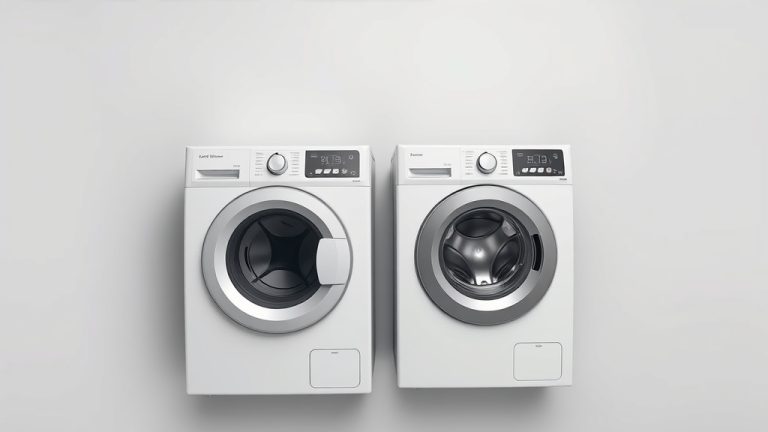
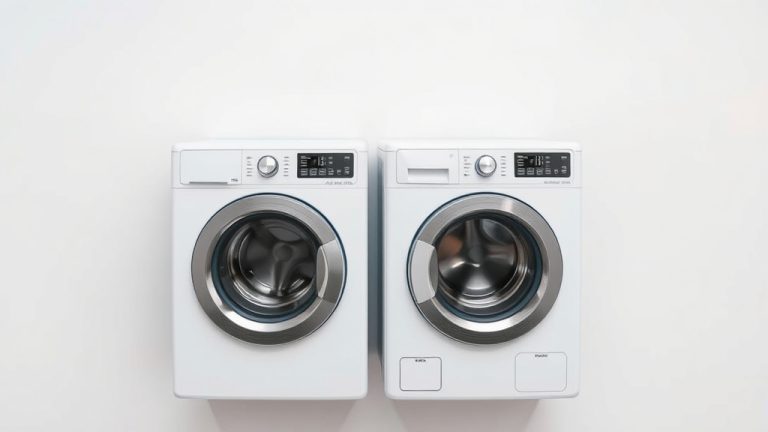
Front Loader vs Top Loader Washer: Which Is Best For You
When choosing between a front loader vs top loader washer, the front loader generally offers better cleaning performance and water efficiency. While top loaders might seem more convenient for quick additions, front loaders often have more advanced wash cycles and are gentler on your clothes. We found that the upfront cost of a front loader is often higher, but its long-term savings make it a smart investment.
Beyond just cleaning power, your decision also hinges on factors like capacity needs and available laundry room space. Many studies show front loaders can hold larger loads, which is great for families. However, the ergonomic design of some top loaders can be more comfortable for those with mobility issues. It’s a balancing act between efficiency, cost, and personal preference.
- Front loaders clean better and use less water.
- Top loaders can be easier to load mid-cycle.
- Front loaders usually have larger capacities.
- Consider your budget and laundry space.
- Both have pros and cons depending on your needs.
Let’s walk through the key differences to help you decide which type of washing machine is the best fit for your home.
Front Loader vs. Top Loader Washers: What’s the Difference?
Choosing the right washing machine can feel like a big decision. You want something that cleans your clothes well. You also want it to be easy to use and not cost too much. Let’s break down the differences between front loaders and top loaders to help you pick the best one for your home.
How They Clean: The Core Mechanics
At their heart, washing machines tumble clothes through water and detergent. The way they do this is the main difference. This difference impacts cleaning power, fabric care, and water usage.
Front Loaders: The Tumbling Powerhouses
Front loaders use an **impeller or agitator** in the middle of the drum. You load them from the front. The drum spins horizontally. Clothes are lifted by paddles and then dropped back into the water. This tumbling action is quite effective.
We found that this method is gentler on fabrics. It also allows for a more thorough wash. Because they don’t rely on a large amount of water to submerge clothes, they use less. Many studies show they are generally more water-efficient (U.S. Department of Energy).
Top Loaders: The Agitator or Impeller Action
Top loaders have the door on top. You load them from above. Most traditional top loaders use a central **agitator**. This is a tall post that twists and turns. It moves clothes around in the water. This can be rough on certain fabrics.
More modern top loaders use an **impeller**. This is a cone-shaped or disc-shaped device at the bottom. It spins and rubs clothes together. This is gentler than an agitator. However, research indicates it might not clean quite as deeply as a front loader’s tumble (Consumer Reports).
Performance and Efficiency: What the Numbers Say
When it comes to performance, there are clear distinctions. These distinctions relate to how well clothes get clean and how much water and energy they consume. Many experts point to front loaders as leaders in these areas.
Cleaning Power: A Closer Look
Many tests and user reviews suggest front loaders offer superior cleaning. Their tumbling action can reach dirt and stains more effectively. They are often recommended for heavily soiled items. This is due to the way the clothes are lifted and dropped.
Top loaders with agitators can sometimes cause tangling. This can lead to uneven cleaning. Impeller models perform better. They offer a good balance. Still, the consistent tumbling of a front loader often comes out on top in comparative studies.
Water and Energy Savings
This is where front loaders truly shine. They use much less water. A front loader might use 10-20 gallons per load. A traditional top loader can use 30-45 gallons or more (U.S. Environmental Protection Agency).
This water efficiency translates to lower utility bills. Less water heated means less energy used. Front loaders also tend to have higher spin speeds. This extracts more water. This means less time in the dryer, saving more energy.
Capacity and Convenience: Daily Use Matters
Beyond pure cleaning, how easy are they to use day-to-day? Capacity is key for families. Convenience can be a deal-breaker for others. Think about your laundry habits.
Load Size and Capacity
Front loaders often boast larger capacities. This means you can wash more clothes at once. This is a big plus for large families or if you wash bulky items like comforters. You might find yourself doing fewer loads per week. This saves time and effort.
Many top loaders have decent capacity too. But when comparing models of similar external size, the front loader often wins for internal drum space. This is because they don’t need space for a central agitator.
Ergonomics and Accessibility
For some, bending down to load a front loader can be a challenge. This is especially true for those with back or knee issues. Top loaders are easier to load. You just drop clothes in from the top. There’s no bending required.
However, this can also be a downside. Reaching the bottom of a deep top loader drum can be difficult. You might struggle to get out that last sock. Many front loaders are also available with pedestals. These raise the machine. This can make loading and unloading much easier.
Adding Clothes Mid-Cycle
Ever start a load and realize you missed a sock? Top loaders make it easy to lift the lid and toss it in. Front loaders typically do not allow this. The door locks once the cycle starts. Some newer models have a small pause-and-add door.
This might seem like a minor point. But for some, the ability to add forgotten items without starting over is a major convenience. Research from consumer appliance sites often highlights this difference.
Maintenance and Longevity: Keeping It Running
Both types require some maintenance. But they have different considerations. Understanding these can help you keep your machine running well for years.
Front Loader Specifics: Mold and Odors
Because front loaders use less water, the door seal can sometimes stay damp. This can lead to mold and mildew. This causes unpleasant odors. It’s important to wipe down the door seal regularly. Leaving the door ajar between washes helps air circulate.
Running a cleaning cycle with hot water and vinegar or a special washer cleaner every month is also recommended. Many user guides advise this practice (Whirlpool, GE).
Top Loader Durability
Top loaders generally have simpler designs. This can mean fewer parts to break. Traditional agitator models are known for their durability. However, the agitator itself can wear out over time.
Impeller models have more moving parts than basic agitator models. But they are still generally robust. Experts often note that top loaders might have a longer lifespan for some mechanical components.
Cost: Upfront vs. Long-Term Savings
Your budget is a major factor. Front loaders tend to have a higher initial purchase price. This can be a barrier for some shoppers.
However, remember the water and energy savings we discussed. Over the life of the machine, a front loader can actually be cheaper to operate. The savings on utilities can add up significantly over 10-15 years.
Which is Right for You? A Quick Checklist
Let’s quickly recap. Ask yourself these questions:
- Do you prioritize the best cleaning performance?
- Are you looking to save on water and energy bills?
- Do you often wash large loads or bulky items?
- Is ease of loading without bending a must-have?
- Do you tend to forget items after a wash has started?
- What is your budget for both purchase price and long-term costs?
Conclusion
Deciding between a front loader and a top loader comes down to your priorities. Front loaders often win on cleaning power and efficiency, saving you money on utilities over time. They also typically offer larger capacities for busy households. Top loaders provide easier loading and can be a more budget-friendly upfront choice. We found that considering your space, budget, and laundry habits is key. Your next step is to assess which machine’s strengths best align with your daily needs to make the perfect choice for your home.
Frequently Asked Questions
Are front loaders worth the higher price?
Research shows front loaders often have a higher initial cost. However, their superior water and energy efficiency can lead to significant savings on utility bills over the machine’s lifespan. Many consumers find the long-term cost-effectiveness makes them a worthwhile investment.
Can a top loader clean as well as a front loader?
While top loaders have improved, studies and user reviews generally indicate front loaders offer better cleaning performance. The tumbling action of front loaders is often more effective at removing tough stains and dirt. Impeller-style top loaders come close, but a central agitator can sometimes be harsher on clothes.
Do front loaders take longer to wash clothes?
Wash cycles on front loaders can sometimes be longer than those on top loaders. This is partly due to their efficiency methods. However, their higher spin speeds extract more water, which can reduce overall drying time, potentially balancing out the longer wash time.
How do I prevent mold in my front loader?
To prevent mold and odors in your front loader, regularly wipe down the door seal and leave the door slightly ajar between uses to allow for air circulation. Running a monthly cleaning cycle with hot water and vinegar or a specialized washer cleaner is also highly recommended.
Are top loaders better for people with mobility issues?
Yes, many people with mobility issues find top loaders easier to use. There’s no need to bend down to load or unload clothes, which can be more comfortable for those with back or knee problems. Some front loaders offer pedestal options to raise them, which can also help.