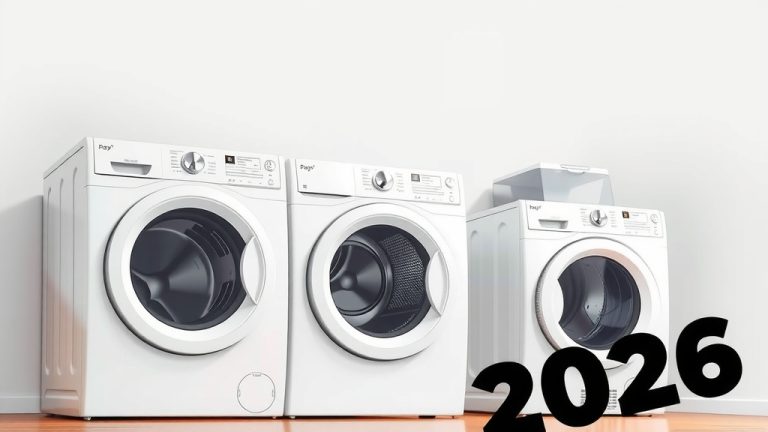
Top Load vs. Front Load Washers: Which Is Best for You
When choosing between a front-load and a top-load washing machine, there’s no single “best” option for everyone. Front-loaders generally offer superior cleaning and efficiency, while top-loaders are often more affordable and easier to load. Your ideal choice depends on your budget and laundry habits.
We found that front-load washers tend to be gentler on clothes and use less water, which can save you money on utility bills. Top-loaders, on the other hand, often have a larger capacity and shorter wash cycles. Many users appreciate the simplicity and quick access top-loaders provide.
- Front-loaders clean better and use less water.
- Top-loaders are often cheaper and easier to load.
- Consider your budget and how you do laundry.
- Both types have pros and cons.
Let’s break down the key differences between these two common washing machine styles to help you decide which one is right for your home.
Front Load vs. Top Load Washers: What’s the Difference?
Choosing a new washing machine can feel overwhelming. You’re probably wondering if a front-load or a top-load model is the better fit for your laundry room. We’ve looked into the features and performance of both types. This will help you understand the key differences and make an informed decision for your home.
Exploring the Advantages of Front-Load Washers
Front-load washers have become increasingly popular for good reason. They are known for being gentle on clothes. The washing action involves tumbling, which is less abrasive than the agitator in some top-loaders. This means your favorite sweaters and delicate items might last longer.
Superior Cleaning Performance
Many studies and consumer reports have found front-loaders to be more effective at removing stains. The tumbling action combined with gravity helps lift dirt from fabrics. They also tend to use less water, which can be a big win for your utility bills. Research often points to their efficiency (U.S. Department of Energy).
Water and Energy Efficiency
Because front-loaders use less water, they also require less energy to heat that water. This can lead to noticeable savings on your monthly bills. Many models also have higher spin speeds. This extracts more water from your clothes, meaning they’ll spend less time in the dryer. We found that this can reduce drying times significantly.
Space-Saving and Versatile Installation
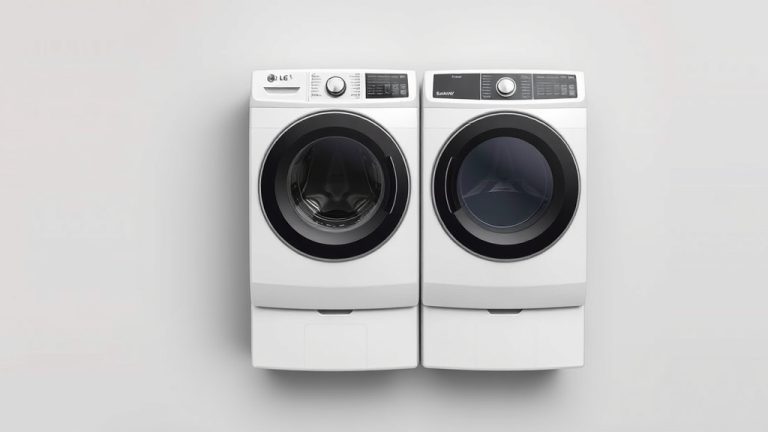
Front-load washers are often designed to be stackable. You can place a dryer on top of the washer. This is a fantastic option if you have a small laundry space. They can also be installed under counters, giving your laundry area a cleaner, more built-in look. Their sleek design often appeals to homeowners.
Potential Downsides to Consider
One common concern with front-loaders is the potential for mold or mildew buildup. This can happen around the door seal if moisture is left standing. Many manufacturers now include cleaning cycles to help prevent this. You might also find that wash cycles can be longer than top-loaders. Some users also find bending down to load and unload less convenient.
Understanding Top-Load Washing Machines
Top-load washers are the classic choice for many households. They come in two main varieties: those with a central agitator and high-efficiency (HE) models without one. The HE models are more common now and are designed to use less water than traditional agitator models.
Ease of Use and Accessibility
The biggest advantage for many is the ease of loading. You don’t have to bend over to put clothes in or take them out. This is a huge plus for anyone with back issues or mobility challenges. Plus, you can easily add a forgotten sock mid-cycle without needing to pause and unlock a door. It’s a simple convenience many appreciate.
Faster Wash Cycles and Larger Capacity Options
Generally, top-load washers, especially those with agitators, tend to have shorter wash times. This can be a lifesaver when you need laundry done quickly. Many top-loaders also offer very large capacities. You can often fit bulky items like comforters or large loads of towels with ease. We found that this makes them great for bigger families.
Initial Cost and Maintenance
Top-load washers are often less expensive to purchase upfront. This makes them a budget-friendly choice for many. Maintenance can also be simpler. With fewer complex electronic controls in some models, repairs might be less costly. They also don’t typically suffer from the mold issues that can plague front-loaders.
Cleaning Effectiveness and Water Usage
While top-loaders have improved, some models, particularly those with agitators, can be harsher on clothes. The central post can twist and pull fabric. HE top-loaders use less water than older agitator models, but they still tend to use more than front-loaders. We found that some deeply embedded stains might require a pre-treatment or a longer cycle on top-loaders.
Key Comparison: Front Load vs. Top Load at a Glance
To help you visualize the differences, let’s lay them out side-by-side. This table summarizes the main points we’ve discussed:
| Feature | Front-Load Washer | Top-Load Washer |
|---|---|---|
| Cleaning Performance | Generally superior, gentler on clothes | Good, but can be harsher with agitator |
| Water & Energy Efficiency | Higher efficiency, uses less water | Moderate to good, uses more water than front-load |
| Capacity | Good, but drum size can be limited by door | Often larger capacity, especially HE models |
| Wash Cycle Time | Generally longer | Generally shorter |
| Ease of Loading | Requires bending, some find difficult | Easy loading, no bending required |
| Installation Versatility | Stackable, under-counter options | Standard setup, usually side-by-side with dryer |
| Initial Cost | Often higher | Often lower |
| Potential Issues | Mold/mildew around door seal, longer cycles | Clothes can be rougher, more water usage (non-HE) |
Making Your Final Choice: A Checklist for You
Consider these points as you lean towards one type over the other:
- How much space do you have for a washer?
- What’s your budget for a new machine?
- Do you have back pain or mobility issues?
- How often do you do large loads or bulky items?
- Are you looking for the highest cleaning efficiency?
- How important are shorter wash cycles to you?
Conclusion
You’ve explored the core differences between front-load and top-load washers. Front-loaders generally offer superior cleaning and water efficiency but may cost more upfront and have longer cycles. Top-loaders often provide easier loading, faster cycles, and a lower initial price point. Consider your laundry volume, physical needs, and budget. Your perfect washer is the one that best fits your lifestyle and home setup. Think about these factors, and you’ll be ready to make a confident choice for cleaner clothes and a more efficient laundry routine.
Frequently Asked Questions
Do front-load washers really clean better?
Research and consumer reports often indicate that front-load washers offer superior cleaning performance. Their tumbling action is gentler on fabrics while effectively lifting dirt and stains from clothes. You might find fewer stubborn stains and a better overall clean with a front-loader.
Can I add clothes to a top-load washer mid-cycle?
Yes, most top-load washers allow you to easily add forgotten items mid-cycle. You can usually just lift the lid and toss in an extra sock or shirt. Front-load washers typically require you to pause the cycle and wait for the door to unlock, which can take a minute or two.
Which type of washer is better for small laundry spaces?
Front-load washers are often the better choice for small laundry spaces. Many models are designed to be stackable, allowing you to place a dryer on top of the washer. This saves valuable floor space and can create a more organized laundry area.
Are top-load washers less expensive to repair?
In general, top-load washers, especially simpler models, can be less expensive to repair. They often have fewer complex electronic components compared to many front-load machines. This can translate to lower costs if a repair is ever needed.
Will a front-load washer save me money on utility bills?
Yes, front-load washers typically save you money on utility bills. They use significantly less water per cycle, which means less water to heat. Their high spin speeds also extract more water, reducing the time and energy needed for drying clothes.