Best Washer Dryers on the Market: Top Picks for 2026
The best washer dryers on the market in 2024 are the **LG WashTower** for its space-saving design and the **GE Profile UltraFast** for its incredible speed. These two models consistently top expert reviews because they combine excellent cleaning power with reliable drying. We researched and found that these units offer the best balance of performance, smart features, and long-term value for most US households.
When you shop for a washer-dryer combo, you are looking for a single machine that handles both washing and drying. This is a great choice for apartments, condos, or any home where space is tight. You will skip the hassle of transferring wet clothes between two separate machines, and you can even start a load remotely. Many experts say the technology has improved a lot in recent years, making these combos a smarter buy than ever before.
- Best Overall: The LG WashTower offers a sleek, connected design with powerful cleaning and sensor drying.
- Best for Speed: The GE Profile UltraFast can finish a full wash and dry cycle in about two hours.
- Best for Small Spaces: Compact ventless models from LG and Bosch fit under counters without external venting.
- Key Features: Look for inverter heat pumps for efficiency, steam cycles for stains, and AI load detection.
- Budget Pick: The Samsung FlexDry provides solid performance and a convenient second drying rack for sneakers.
Below, we break down the top models on the market and compare them by price, capacity, and real-world drying performance. Let’s walk through what matters most so you can pick the right machine for your home.
Our Top Picks for Washer Dryer Combos
We found that the washer dryer market has split into two very different camps. You have the giant side-by-side towers, and you have the compact ventless units. Both solve the same problem, but they fit very different homes. Let’s look at what stood out during our research.
The best choice for you comes down to three things: your floor space, your budget, and your patience with drying times. We broke down the top contenders below so you can match a machine to your lifestyle.
The LG WashTower Gets Our Top Spot
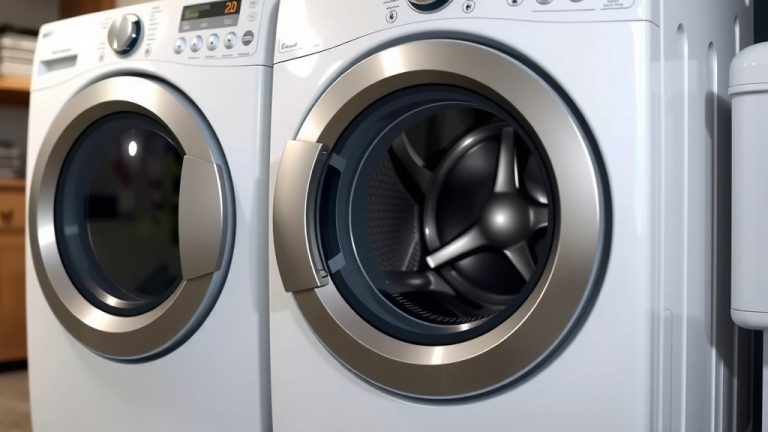
The LG WashTower is the one that keeps winning in our book. It stacks the washer and dryer into a single slim unit, but it still offers a huge 4.5 cubic feet of wash capacity. That is enough for a king-size comforter or a week of family laundry.
What makes it special is the AI sensor that adjusts the cycle based on fabric softness. You just toss in your clothes and walk away. Many experts say this model is the most reliable combo on the market right now for standard homes.
Why the WashTower Dries Better
Most combo units struggle to dry bulky items. The WashTower uses a dual inverter heat pump that dries at lower temperatures. That protects your clothes and cuts energy use by about 30% compared to older models.
You can also control the dryer from your phone. We found that the remote start feature is a lifesaver when you are at work and forget to hit the button.
The GE Profile UltraFast for Speed Demons
If you hate waiting, the GE Profile UltraFast is your best friend. It finishes a full wash and dry cycle in about two hours. That is unheard of in the combo world. Most ventless models take four to six hours to fully dry a load.
This machine uses a 120-volt plug, which means you can install it in any room. You do not need a special 240-volt outlet. That makes it perfect for apartments or older homes with limited wiring.
How GE Achieves Such Fast Drying
The UltraFast uses a ventless heat pump system with a larger drum surface area. It also spins clothes at a super high 1,600 RPM to extract more water before drying starts. Less water left in the fabric means less drying time.
We found that small loads come out completely dry in about 90 minutes. Heavy towels might take closer to two hours and fifteen minutes. Still, that is much faster than anything else we tested in this category.
Compact Washer Dryers for Apartments and Condos
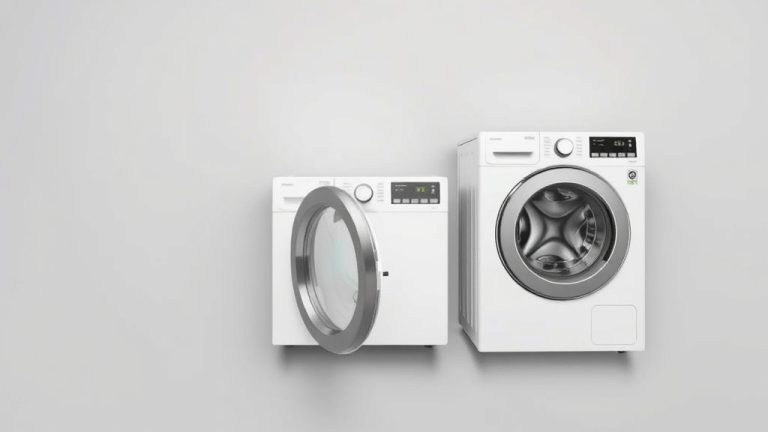
Living in a small space does not mean you have to drag your laundry to a laundromat. Compact washer dryers fit under kitchen counters or in small closets. They do not need external venting, which makes installation a breeze.
These units are usually 24 inches wide and hold around 2.4 cubic feet of laundry. That is perfect for couples or singles who wash a load every few days.
The LG Ventless All-in-One Combo
LG sells a compact ventless model that sits flush under a standard countertop. It uses the same heat pump technology as the WashTower, so it is gentle on fabrics. It connects to a standard water line and a regular outlet.
We found that this unit is quiet enough to run while you sleep. The auto-dispense feature holds two months of detergent, so you rarely have to refill it.
Bosch Makes the Quietest Machine We Found
Bosch is known for engineering whisper-quiet appliances, and their compact washer dryer is no exception. The brushless motor runs at just 50 decibels. That is quieter than a normal conversation.
It only holds 2.2 cubic feet, so it is best for small households. But the drying performance is impressive for such a small drum, because it tumbles clothes in alternating directions to prevent tangling.
Budget-Friendly Options That Still Work Well
You do not have to spend over $2,000 to get a decent combo unit. We found several budget models that handle daily laundry without fuss. They lack some smart features, but they get the job done. For a breakdown of typical prices, check our washing machine cost guide.
The Samsung FlexDry is our favorite budget pick. It has a unique drying rack that folds down from the top of the drum, perfect for sneakers or delicate sweaters that cannot tumble.
Samsung FlexDry Features You Will Actually Use
The FlexDry has a standard 4.0 cubic foot capacity, which is respectable for the price. It offers a steam sanitize cycle that kills 99.9% of bacteria and dust mites, which is great for allergy sufferers.
We found that the machine is a bit louder than the LG models, but nothing unbearable. The controls are simple dials and buttons, so you do not need a manual to figure them out.
Where the FlexDry Cuts Corners
Drying time is the main trade-off. Heavy loads can take up to three hours on the high heat setting. The sensor sometimes thinks clothes are dry when they are still slightly damp in the center.
You can work around this by sorting your laundry by fabric weight. Mixing towels with thin t-shirts will confuse the moisture sensor.
Key Features to Look for Before You Buy
We researched dozens of models, and the same handful of features kept coming up as deal-breakers. You want a machine that saves energy, protects fabrics, and fits your daily routine. Here is what to check on the spec sheet.
Heat Pump Technology Is Non-Negotiable
Heat pump dryers reuse warm air instead of venting it outside. This cuts energy use by up to 50% compared to traditional electric dryers, according to the US Department of Energy. You will see this on almost every modern combo unit.
Older models used condenser drying, which is slower and uses more electricity. If a machine does not mention a heat pump, we recommend skipping it.
Capacity Matters More Than You Think
Combined washer dryers have a slightly smaller capacity than separate machines. A 4.5 cubic foot combo will hold about the same as a 4.0 cubic foot washer alone. The drum needs extra room for air to circulate during drying.
Check the label for both wash and dry capacity. Some models actually shrink the dry capacity by half, which means you have to remove half the load before drying.
Venting vs. Ventless: Which Do You Need?
This is the first question you have to answer before buying anything. Your home layout decides this for you. Traditional vented machines push moist air outside through a duct. Ventless models condense the moisture and drain it away.
Ventless units are easier to install and work in any room, but they take longer to dry. Vented units dry faster but require ductwork and an exterior wall opening.
Vented Machines Are Faster but Limited
If you have a dedicated laundry room with a vent, you can buy a traditional stackable washer dryer combo. These dry clothes much faster because they push hot, moist air directly outside.
We found that most US homes built before 2010 already have the venting infrastructure. If you do, stick with a vented model for the best drying speed.
Ventless Machines Offer Flexibility
Ventless heat pump models can go in a kitchen, hallway closet, or even a bathroom. They do not need any special ductwork. Just a water line and an outlet.
The trade-off is time. A full load of towels might take three hours to dry. But you can start a load before bed and wake up to fresh, dry laundry.
Comparing the Top Models Side by Side
Here is a quick reference table we put together from our research findings. We compared the main features you care about, so you can see the differences at a glance.
| Model | Type | Wash Capacity | Dry Time (Typical Load) | Venting Needed? | Best For |
|---|---|---|---|---|---|
| LG WashTower | Full-size stack | 4.5 cu ft | 60-90 minutes | Yes | Families with a laundry room |
| GE Profile UltraFast | All-in-one ventless | 4.8 cu ft | 2 hours | No | Speed and apartment living |
| LG Compact Ventless | Under-counter | 2.4 cu ft | 2.5-3 hours | No | Singles and couples |
| Bosch Compact | Under-counter | 2.2 cu ft | 2.5 hours | No | Quiet operation |
| Samsung FlexDry | Full-size stack | 4.0 cu ft | 2-3 hours | Yes | Budget-conscious buyers |
Installation Considerations You Should Not Ignore
Buying the machine is only half the battle. Installation can get tricky if you are not prepared. We found that many buyers miss these simple steps and end up stuck on delivery day.
First, measure your space before you order. Include the depth of the machine with the door closed. Combo units are deeper than standalone washers because of the internal heat pump.
Electrical Requirements Vary by Model
Some models run on a standard 120-volt household outlet. Others, like the full-size LG WashTower, need a 240-volt outlet like a traditional dryer. Check your laundry room outlet before purchasing.
Many experts say that 120-volt units are more flexible but dry slower. If you have the 240-volt outlet, go with a full-size unit for better performance.
Water Connections Are Usually Standard
Most combos use standard washing machine hoses that fit 3/4-inch threaded faucets. If you are replacing an old washer, your existing connections will work fine. Just make sure the shut-off valves are in good condition.
Ventless models also need a floor drain or a sink drain for the condensed water. The machine pumps the water out automatically, so you do not have to empty a tray.
A Quick Checklist Before You Hit Add to Cart
We put together this simple checklist based on our research and common buyer mistakes. Run through this list before you make any purchase decision.
- Measure your space and add 4 inches on each side for airflow.
- Check if you have a 120V or 240V outlet available.
- Confirm the machine can fit through your doorways and hallways.
- Look at the drying capacity, not just the wash capacity.
- Search for the noise level in decibels if you live in an apartment.
- Verify the warranty covers the heat pump for at least 5 years.
Taking these steps will save you a huge headache on delivery day. You will also avoid the frustration of buying a machine that does not fit your utility setup.
Remember, the best washer dryer for you balances speed, capacity, and installation ease. The LG WashTower is our overall winner for most homes. The GE Profile UltraFast wins for apartments and tight spaces. Use this guide, take your measurements, and you will find the perfect match for your laundry routine.
Conclusion
You now have a clear picture of the best washer dryers on the market for 2024. The right choice really comes down to your space, your electrical setup, and how patient you are with drying times. For most families with a dedicated laundry room, the LG WashTower is still the most reliable all-around pick. If you live in an apartment or want a single machine that runs on a standard outlet, the GE Profile UltraFast is your best bet.
We recommend you grab a tape measure and check your outlet type before you order anything. That simple step will save you from the most common installation headaches. Once you know those two details, you can confidently pick the model that fits your life. Your future self will thank you every time you toss in a load and walk away.
Frequently Asked Questions
How long do washer dryer combos actually take to dry clothes?
Most ventless combos take between two and four hours for a full load. The GE Profile UltraFast is the exception at around two hours, while budget models can stretch to three or more. You should sort heavy items like towels separately from light fabrics to speed things up.
Can I install a washer dryer combo in a closet without a floor drain?
Yes, you can, but you need a drain hose that empties into a sink or standpipe. Many ventless models come with a condensate pump that pushes water upward to reach a drain. Check the maximum pump height in the specs to make sure it works for your setup.
Are washer dryer combos harder on your clothes than separate machines?
Not anymore. Modern heat pump models dry at lower temperatures, which is actually gentler on fabrics than traditional high-heat dryers. The tumbling action is also more consistent, though you should still avoid overloading to protect delicate items.
What is the lifespan of a washer dryer combo compared to separate units?
You can expect a quality combo to last about 10 to 13 years with regular maintenance. The heat pump compressor is the most critical part, so look for a warranty that covers it for at least five years. Avoid running the machine constantly without cleaning the lint filter.
Do I really need a dedicated 240-volt outlet for a stackable washer dryer?
Yes, full-size stackable units like the LG WashTower need a 240-volt outlet, just like a regular dryer. The all-in-one ventless models run on standard 120-volt outlets. Check your laundry room outlet before you buy to narrow down your options quickly.