All-in-One Washer Dryer Combos: What to Know
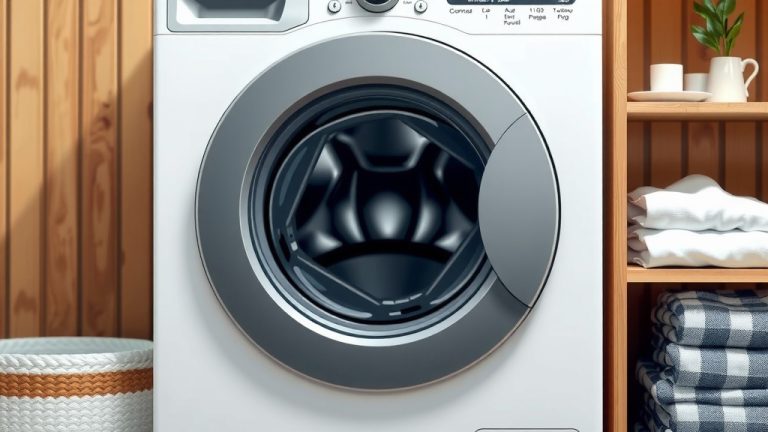
An all-in-one washer dryer combo is a single appliance that washes and dries your clothes in one unit, without you having to move them between machines. It replaces two bulky appliances with one compact, ventless machine that fits in small spaces, like apartments or RVs. We found that these combos are the easiest way to get clean, dry laundry when you don’t have the room—or the hookups—for a separate washer and dryer.
You don’t need to pull wet clothes out of one machine and stuff them into another. Instead, a combo uses a condensation drying system that collects moisture and drains it away. This saves you time and back-breaking labor, and it is a real space-saver for closets, bathrooms, and tiny laundry areas. We found that while they take a bit longer to dry than traditional dryers, the convenience of a true set-it-and-forget-it laundry routine is a major win for many households.
- What it is: One unit that does the washing and drying cycles automatically.
- Space saver: Fits in small spots where separate machines won’t.
- Ventless design: No outside venting is required—just a standard outlet and water hookup.
- Capacity limits: They hold less laundry than standard machines, so you wash in smaller loads.
- Longer drying times: Expect drying to take a bit longer, but with zero effort from you.
Let’s walk through how these combos actually work and whether one is the right fit for your home.
How an All-in-One Washer Dryer Combo Actually Works
We found that the magic of a combo unit comes down to two separate systems working inside one metal box. The washing side works like a standard front-load washer. It fills with water, tumbles your clothes, and rinses them clean.
The drying side is where things get clever. Instead of blowing hot air out of a vent, it uses a closed-loop system. Think of it like a dehumidifier meets a dryer. The machine heats the air, pulls moisture from your clothes, and then cools that air to collect the water. That water goes right down your drain.
The Two Types of Condensation Drying
Not all combos dry the same way. We found there are two main drying methods used in these machines.
Air-Cooled Condensation
This system uses room air to cool the hot, damp air inside the drum. The machine pulls in air from the room, passes it over the wet clothes, and then uses that air to condense the moisture. It works fine, but it can warm up your laundry room a bit. Many experts say this is the most common and budget-friendly option.
Water-Cooled Condensation
This method uses cold water to cool the hot air instead of room air. The results are faster drying and less heat released into your space. The trade-off? It uses more water during the drying cycle. We found that this system is usually found on higher-end models.
Either way, you never need a vent. That is the single biggest advantage for apartment dwellers.
Why Choose a Washer Dryer Combo Over Separate Machines?
You might be wondering if a combo can really replace two full-size appliances. We found that for the right person, it absolutely can. The benefits go way beyond just saving floor space.
You Get Your Laundry Room Back
Let’s be honest. A separate washer and dryer take up a massive footprint. A combo unit slides into a 24-inch wide cabinet. You can stack shelves above it or install a countertop over it. You instantly gain counter space for folding.
You also eliminate the need for a bulky vent hose. That means you can install a combo almost anywhere there is water and power. Closets, bathrooms, kitchens, or even under a staircase. We found that this flexibility is a huge win for small homes.
No More Transferring Clothes
Raise your hand if you have ever forgotten to move wet clothes to the dryer. We have all done it. The clothes sit in the washer overnight and get that musty smell. Then you have to rewash them. It is a total waste of time.
With a combo, you just press start before bed. You wake up to fresh, dry clothes. It is truly a set-it-and-forget-it experience. This is the main reason people fall in love with these machines.
The Real Downsides You Need to Know About
We would be doing you a disservice if we only talked about the positives. These machines have some real quirks. You need to know them before you buy.
Smaller Capacity Limits
This is the biggest adjustment for most people. A standard washer holds about 4.5 cubic feet. Most combo units only hold between 2.4 and 2.9 cubic feet. That is a significant difference.
You will not be washing a king-sized comforter or multiple towels at once. We found that you have to break your laundry into smaller, more frequent loads. If you have a big family, this can feel like a full-time job.
Longer Drying Times Are Normal
Condensation drying takes longer than traditional vented drying. A typical load might take two to three hours total. That is wash time plus dry time.
You can speed this up by using the spin cycle to its fullest. The faster the drum spins, the more water it removes before drying starts. We found that higher-end models spin at 1,400 RPM or more. That helps cut drying time significantly.
Vented vs. Ventless: What Is the Difference?
You might see both terms when shopping. We found that nearly all combo units sold in the US are ventless. But it is worth knowing the difference.
- Vented combos: These are rare. They still require an outside vent like a traditional dryer. They dry faster but limit where you can install the unit.
- Ventless combos: These are the standard. They use condensation drying and just need a drain. You can put them almost anywhere.
Stick with a ventless model unless you have a specific reason not to. They are easier to install and far more flexible.
Power and Water Requirements for Installation
Do not assume a combo will work with your current setup. We found that these machines have specific needs that differ from separate units.
Electrical Needs
Most combos run on a standard 120-volt outlet. That is great news for apartments. However, some larger models require a 240-volt outlet. Check the specs before you buy.
If you have an electric dryer, you already have a 240-volt outlet. If you only have a gas dryer, you might need an electrician to run a new circuit. This is an added cost to factor in.
Water and Drainage
You need both a cold water supply and a drain. Some models only use cold water. Others have a hot water hookup as well. Cold water is standard for most laundry loads anyway.
Make sure the drain line is close by. Many people install these in kitchens because the sink drain is right there. A simple Y-connector can split the water supply line.
How to Decide If a Combo Is Right for Your Household
We found that this decision really comes down to your living situation and habits. Let us break it down into a quick checklist.
You Should Consider a Combo If:
- You live in an apartment, condo, or RV with no hookups for a separate dryer.
- You have a small household of one or two people.
- You do not wash bulky items like comforters or heavy rugs.
- You value the convenience of automatic wash and dry cycles.
- You are okay with smaller loads and longer cycle times.
- You want to save money on installation and venting costs.
You Should Skip It If:
- You have a large family that produces mountains of laundry daily.
- You frequently wash heavy items like blankets, curtains, or work clothes.
- You need to finish laundry quickly and cannot wait for longer cycles.
- You already have proper hookups for full-size machines.
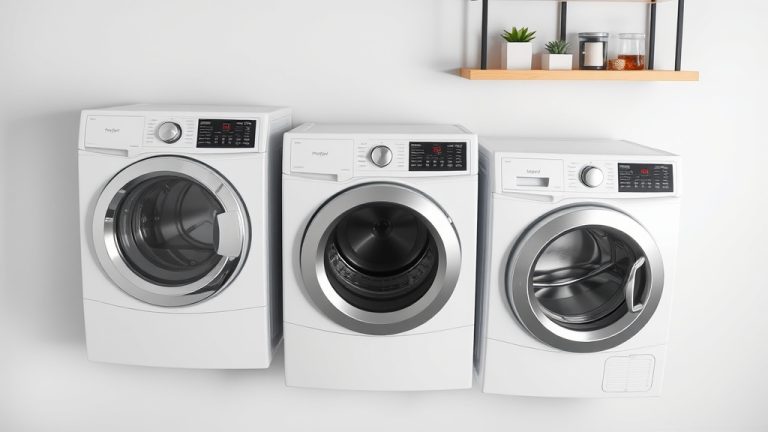
Comparing Combo Units to Stackable Washers and Dryers
This is the other common option for small spaces. Stackable units are two separate machines that fit into a tall column. They use the same footprint as a combo. But the experience is very different.
| Feature | Combo Unit | Stackable Set |
|---|---|---|
| Footprint | One small machine | Two machines stacked |
| Venting | Ventless | Usually needs a vent |
| Capacity | Smaller (2.4–2.9 cu ft) | Full-size capacity |
| Drying Speed | Slower condensation drying | Fast vented drying |
| Manual Transfer | No, fully automatic | Yes, move clothes yourself |
| Price | Mid-range | Higher upfront cost |
We found that stackable sets are better for families. They give you full-size performance in a small footprint. Combos are better for singles or couples who value automation over speed.
The Real Cost of Owning a Combo Unit
Let us talk dollars and cents. The purchase price is just the beginning. We found that the long-term costs are actually lower than you might think. For a full breakdown of what you might spend, check our washing machine cost guide.
Energy and Water Usage
Most combo units are ENERGY STAR certified. They use less water than a traditional washer because they run smaller loads. The drying cycle uses electricity, but it is efficient.
Many guidelines point to ventless dryers being gentler on your clothes. The lower heat settings reduce wear and tear on fabrics (Energy Star). That means your clothes last longer, which saves you money in the long run.
Maintenance and Repairs
Combos are complex machines. There are more parts packed into a small space. That means repairs can be more expensive if something breaks.
You will need to clean the lint filter after every load. We found that this is non-negotiable. A clogged filter drastically reduces drying performance. You should also run a cleaning cycle monthly to prevent buildup and odors (Consumer Reports).
Tips for Getting the Best Results from Your Combo
Once you own one, there are tricks to make it work better. We found that a little know-how goes a long way.
- Do not overload the drum. Leave about 25% empty space for clothes to tumble freely.
- Use the highest spin speed. This removes more water and cuts drying time.
- Separate heavy and light items. Towels dry slower than t-shirts. Keep them in different loads.
- Use the right detergent. High-efficiency (HE) detergent is a must. Regular detergent creates too many suds.
- Clean the lint filter every time. This is the number one reason drying takes too long.
- Run a drum cleaning cycle monthly. This prevents musty smells and keeps the machine fresh.
Common Questions People Ask About Combos
We get a lot of questions about these machines. Let us clear up a few things people often wonder about.
Can You Wash and Dry a Full Load at Once?
Yes, but you will learn what “full” means. The wash cycle can handle a moderate load. But the dryer works best with half a load. We found that splitting large loads into two batches gives the best results.
Are Combos Good for Delicate Fabrics?
Actually, yes. The lower drying temperatures are gentle on fabrics. Many experts say this is one of the best machines for silks, wools, and other delicate materials. You can also run a wash-only cycle and air dry your delicates separately.
Do You Need Special Detergent?
You need HE detergent. It is low-sudsing and designed for front-load machines. We found that using regular detergent causes excess foam, which can trick the machine into thinking it has more water than it does. That leads to poor cleaning and longer cycles.
Is a Combo Unit Worth It for Your Home?
We found that this answer depends entirely on your space and your laundry habits. If you live in a small apartment and hate hauling clothes to a laundromat, a combo is a lifesaver. The convenience of pressing one button and walking away is unmatched.
If you have a big family or wash bulky items, you will likely get frustrated with the smaller capacity and longer dry times. You would be happier with a stackable set or full-size machines.
Think about your daily routine. Do you have time to run two or three smaller loads throughout the day? If yes, a combo will work great. If you need to power through all your laundry in one afternoon, a traditional setup is better.
Many guidelines point to the fact that these machines are perfect for small households with busy schedules. We found that most users who adapt their habits end up loving their combo unit. It truly is the future of compact laundry.
Conclusion
So, is an all-in-one washer dryer combo worth it? We think it comes down to your space and your routine. If you live in a small apartment or just hate hauling laundry around, this machine is a game changer. You get clean, dry clothes with a single press of a button.
The trade-offs are real. You will wash smaller loads, and drying takes longer. But you save floor space, skip the venting costs, and never forget to move wet clothes again. We found that most people who adjust their habits end up loving the convenience.
Your next step is simple. Measure your space and check your hookups. Then compare a few top-rated ventless models online. Pick one that fits your budget and load size. You will wonder why you waited so long to simplify laundry day. Before you buy, review typical new washing machine costs to budget accurately.
Frequently Asked Questions
Do all-in-one washer dryers actually dry clothes completely?
Yes, they do, but it takes longer than a standard dryer. The condensation system pulls moisture out and drains it away. You might need to run a “dry” cycle again for heavy items like thick towels or jeans. Most loads come out fully dry, just on a slower timeline.
Can you stop a combo washer dryer mid-cycle?
You can pause most models to add a stray sock or remove a delicate item. Look for a pause or hold button on the control panel. Just keep in mind that stopping a cycle can leave clothes wet and sitting in the drum. We recommend waiting until the cycle finishes for best results.
How long does a typical wash and dry cycle take?
Plan for about two to three hours for a full wash-and-dry cycle. The wash portion takes 45 to 60 minutes, and drying adds another hour or two. High-end models with faster spin speeds can cut that drying time down significantly. It is a slower process, but you do not have to babysit it.
Can you install a washer dryer combo in an apartment without hookups?
You still need a water supply and a drain. Most apartments have these under a kitchen sink, which is a popular installation spot. You will need a standard 120-volt outlet for most models. Check with your landlord first, but these units are often approved for apartment use.
Are all-in-one washer dryers good for RVs or campers?
They are one of the best laundry options for RVs. The ventless design means no cutting holes in your camper walls. You just need access to water, power, and a drain. Compact 24-inch models fit in most RV laundry closets with room to spare.