Best Washer and Dryer Sets for 2026: Top Picks
The best washer and dryer set to buy is a front-load washer paired with a heat pump dryer, because it offers the best cleaning performance and the most energy savings. We found that this combo is the top choice for most households, even though it costs more upfront. You want a set that cleans well, dries fast, and won’t break the bank on your utility bills.
Picking the right laundry duo goes beyond just the sticker price. You also have to think about load capacity, noise levels, and whether you want smart features like steam cycles. Many experts say that LG and Samsung lead the market right now, but Speed Queen is the winner if you want a machine that lasts for decades.
- Best overall: LG WashTower (saves space and is super efficient).
- Best budget set: GE GTW335 and GFD65 (solid performance without the luxury price).
- Best for durability: Speed Queen TR7 and DR7 (built like a tank for heavy use).
- Best for large families: Samsung 5.5 cu. ft. front loaders (fit a king-size comforter with ease).
- Key tip: Skip the extra “steam” models unless you have pets or kids—the base models often do the same job.
Below, we break down everything you need to know about buying a washer and dryer set, so you can pick the perfect pair for your home and your budget.
Choosing the Best Washer and Dryer Set for Your Home
You want a laundry setup that works hard without giving you headaches. The right set saves you time, cuts your energy bills, and actually gets your clothes clean. We found that most people are happiest when they match the machine to their household size and their budget. It is not just about picking the fanciest model on the showroom floor.
Front Load vs. Top Load: The Big Decision
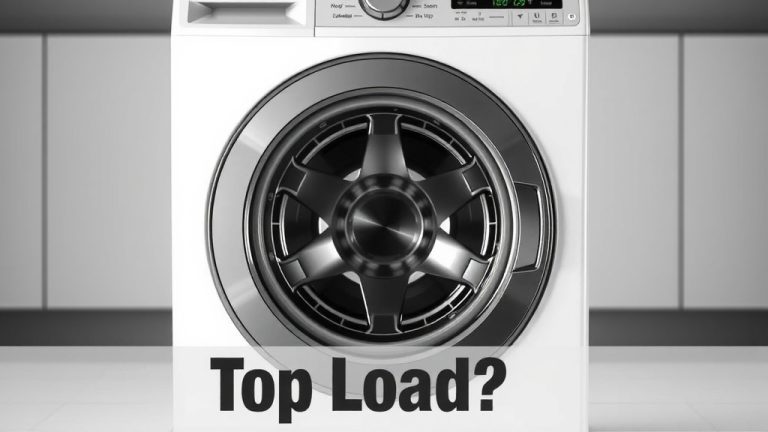
Your first choice is between a front loader and a top loader. This decision shapes everything else. Front loaders are the go-to for most modern homes. They use less water and spin clothes faster, which cuts drying time. Top loaders are easier on your back because you do not have to bend down to load them.
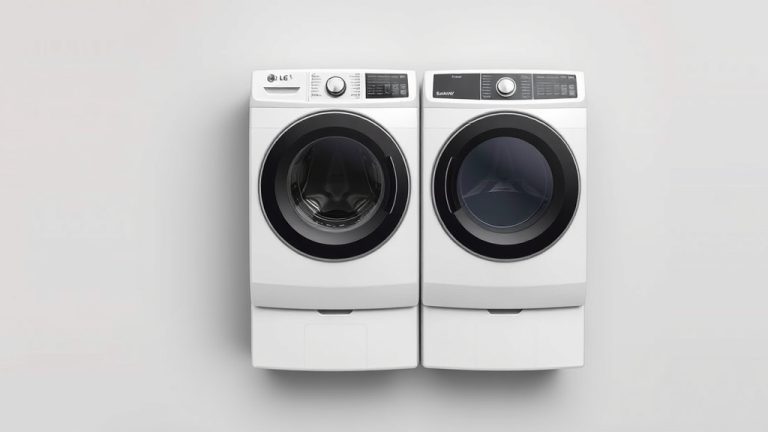
Many experts say that front loaders clean better overall. They also stack nicely with a dryer if you are short on space. The trade-off is that they can develop mold around the door gasket if you leave it wet. You just need to leave the door open for an hour after a cycle. That little habit keeps the mildew away.
Why Heat Pump Dryers Are Taking Over
Traditional dryers use a metal heating coil to blast hot air into the drum. Heat pump dryers work like a dehumidifier. They pull moisture out of the clothes at a lower temperature. This is much gentler on your fabrics. Your jeans and t-shirts will last longer without fading or shrinking.
We found that heat pump dryers use about half the energy of a standard vented dryer. That is a big win for your monthly utility bill. The catch is that they cost more upfront. They also take a bit longer to dry a load. But you make that time back in savings and softer clothes.
Capacity and Size: Match the Machine to Your Laundry Pile
Load capacity is the single most important spec to check. If you buy a washer that is too small, you will run extra loads every week. If you buy one that is too big, you waste water and detergent on half-empty drums. Measure your family’s weekly laundry output to find the sweet spot.
For a single person or a couple, a 4.5 cubic foot washer works fine. A family of four should look for 5.0 cubic feet or more. Large families need 5.5 cubic feet to handle bulky comforters and lots of towels. The dryer should always match or slightly exceed the washer’s capacity. Otherwise, you will have wet clothes waiting around.
Physical Dimensions and Venting Requirements
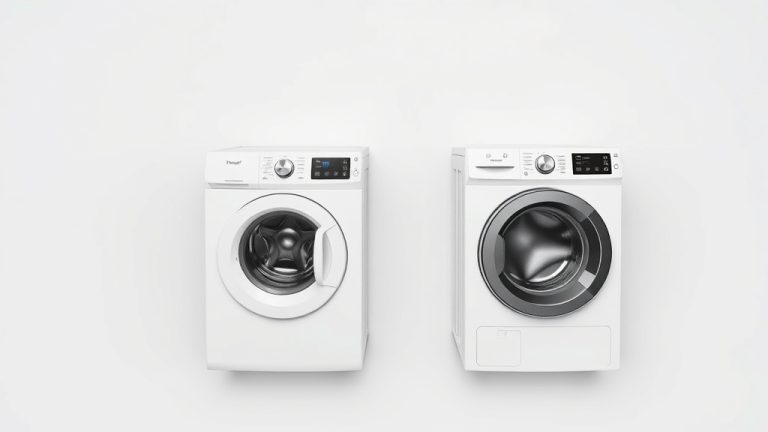
Before you fall in love with a specific model, grab a tape measure. Standard washer and dryer sets are about 27 inches wide. But some high-end models stretch to 29 or 30 inches. You need to measure the width, depth, and height of your laundry space. Remember to account for the door swing and space behind the machines for hoses.
Venting is another big deal. Traditional dryers need an exhaust vent to push hot, moist air outside. Heat pump dryers do not need a vent at all. This makes them perfect for apartments, closets, or small laundry rooms. If you are replacing an old set, check whether you already have a vent. If you do not, go with a ventless heat pump dryer.
Smart Features and Wash Cycles That Matter
Laundry machines now come with Wi-Fi, touchscreens, and dozens of cycle settings. It can feel overwhelming. We found that most people only use three or four cycles on a regular basis. Look for a machine that handles the basics well: normal, heavy duty, delicates, and quick wash. Everything else is just a bonus.
Steam cycles are a popular upgrade. They help remove wrinkles and tackle tough stains. But they are not necessary for everyone. If you have pets or kids who come home muddy, steam is worth it. If your laundry is mostly office clothes and gym gear, skip the extra cost and stick with a base model.
Noise Levels and Vibration Control
Front loaders spin at very high speeds. That can cause shaking and thumping. Look for machines with inverter motors and vibration reduction technology. These features keep the machine quiet and steady, even during the spin cycle. You can run a load at night without waking up the whole house.
Many experts say that LG and Samsung lead the pack on noise control. Their motors use magnets instead of belts, which means fewer moving parts. This makes them quieter and more reliable over time. Speed Queen machines are louder and more basic. But they are built for heavy use in commercial settings, so they last for decades.
Energy Efficiency and Utility Bill Savings
Your washer and dryer run almost every day. That makes them a major part of your home’s energy usage. The Energy Star rating is your best friend here. We found that Energy Star certified machines use about 25% less energy than standard models. They also use about 33% less water. Over a year, that adds up to real cash in your pocket.
Front loaders are more efficient than top loaders because they tumble clothes through a shallow pool of water. Heat pump dryers are the most efficient option on the market. Some models can save you up to 40% on drying costs compared to a traditional electric dryer. The U.S. Department of Energy encourages consumers to look for these high-efficiency models when upgrading.
Budget Breakdown: What You Actually Need to Spend
Prices for washer and dryer sets range from around 800 to over 2,500 dollars. You do not need to spend a fortune to get a reliable machine. Budget sets from GE and Whirlpool offer solid cleaning and basic cycles for under 1,000 dollars. They are not flashy, but they get the job done.
Mid-range sets, usually between 1,200 and 1,800 dollars, add features like steam and smart controls. High-end sets from LG and Samsung push past 2,000 dollars with larger drums, quieter motors, and sleek designs. You are paying for convenience and aesthetics at that point. The cleaning performance is not dramatically better.
The Real Cost of Repairs and Maintenance
Cheaper machines often have higher repair costs down the road. They use plastic parts and basic belts that wear out. Premium machines with inverter motors have fewer parts to fail. But when they do break, repairs can be pricey. It is a trade-off between upfront cost and long-term reliability.
Many experts say that Speed Queen is the clear winner for longevity. Their machines are built with metal components and simple controls. They are the same machines used in laundromats. You will pay more upfront, around 1,800 dollars for a set. But you might never need to replace them in your lifetime.
Stackable Units and Space-Saving Solutions
If you live in an apartment or a small condo, space is tight. A stackable washer and dryer set is your best bet. These units let you put the dryer on top of the washer, taking up less than half the floor space. You can even get a single unit that does both washing and drying in one drum, though these take longer.
The LG WashTower is a popular choice here. It is a single tower unit with the washer and dryer connected. This design saves space and looks clean. It also puts the dryer controls at a comfortable height, so you do not have to reach high. We found that this is a great option for families in smaller homes who want modern efficiency.
All-in-One Combo Units: Are They Worth It?
All-in-one washer dryers are perfect for tiny apartments. They wash your clothes and then dry them in the same drum. You do not have to transfer clothes between machines. The downside is that they hold less laundry and take longer to finish a cycle. A typical load can take three to four hours from start to finish.
We recommend these units only for singles or couples. They are not practical for families with lots of laundry. You will also need to be patient. If you are used to a 45-minute wash and a 30-minute dry, this will be a big adjustment. But if you have zero space, they are better than a trip to the laundromat.
Top Brands Compared: LG, Samsung, GE, and Speed Queen
The brand you choose matters. It affects the price, the features, and how long the machine lasts. We compared the top four brands to help you decide. Each one has its own strengths and weaknesses. Here is what we found:
| Brand | Best For | Key Strength | Watch Out For |
|---|---|---|---|
| LG | Overall value and smart features | Quiet inverter motors, energy efficient | Mold on door gasket if left closed |
| Samsung | Large capacity for families | Big drums, good smart controls | Repairs can be costly |
| GE | Budget-friendly reliability | Simple controls, affordable price | Fewer premium features |
| Speed Queen | Durability and long lifespan | Commercial-grade build, simple mechanics | Higher upfront cost, basic design |
LG: The Balanced Choice
LG is the most recommended brand by home appliance experts. Their front loaders are efficient, quiet, and packed with useful features. The ThinQ app lets you start a load from your phone. You can also get notifications when a cycle is done. This is great when you are busy around the house.
We found that LG machines clean exceptionally well. Their TurboWash feature cuts cycle time by about 30 minutes without sacrificing performance. The main downside is that you need to be diligent about leaving the door open to prevent mildew. If you can handle that, LG is a safe bet.
Samsung: Big Drums for Big Loads
Samsung focuses on capacity and modern design. Their largest models offer 5.5 cubic feet of space. That fits a king-size comforter with room to spare. The controls are intuitive, with a full-color touchscreen on premium models. They also offer steam sanitize cycles that kill dust mites and bacteria.
The downside to Samsung is repair costs. If something breaks after the warranty, parts can be expensive. Many experts say that LG is more reliable in the long run. But if you have a huge family and need to wash bulky items often, Samsung’s big drums are hard to beat.
Warranty and Lifespan: Protecting Your Investment
Your washer and dryer are a big purchase. You want them to last. Most standard machines come with a one-year parts and labor warranty. Some premium brands offer a 10-year warranty on the motor. This is a huge deal. The motor is the most expensive part to replace. A longer warranty gives you peace of mind.
Speed Queen offers some of the best warranties in the business. They cover parts for three to seven years depending on the model. This reflects their confidence in the build quality. If you are planning to stay in your home for a long time, spending more for Speed Queen can save you thousands in replacement costs later.
Before You Buy: A Quick Pre-Purchase Checklist
You are almost ready to make a decision. But there are a few more things to think about. Use this checklist to make sure you are getting the right set for your home. Take a deep breath and go through it step by step.
- Measure your space: Width, depth, height, and door swing clearance.
- Check your venting: Do you have a dryer vent, or do you need a ventless model?
- Calculate your load size: How many loads do you run each week?
- Set a realistic budget: Include installation costs and potential delivery fees.
- Read the energy guide: Compare estimated annual operating costs between models.
- Verify the warranty: Look for at least a 10-year motor warranty.
Once you have checked all these boxes, you are ready to shop. You will walk into the store knowing exactly what you need. No more wandering around the showroom feeling confused.
Final Thoughts on Finding the Best Washer and Dryer Set
The best set for you depends on your household, your space, and your budget. We found that LG and Samsung are excellent for most families. They offer a great balance of price, features, and efficiency. Speed Queen is the right pick if you want a machine that outlasts everything else in your house.
Do not overthink the small stuff. Focus on capacity, energy efficiency, and the warranty. Everything else is just bells and whistles.
Conclusion
Picking the best washer and dryer set comes down to your family size, your space, and how long you plan to stay in your home. A front-load washer with a heat pump dryer is the smartest choice for most households. You get better cleaning, gentler drying, and serious savings on your utility bills.
LG and Samsung give you the best mix of features and reliability. Speed Queen is worth the extra cash if you want a set that lasts 25 years. Budget shoppers can trust GE for solid performance without the luxury price tag.
Your next step is simple: measure your laundry space, check your venting setup, and set a firm budget. Then order a set that matches your weekly load size. Your clothes will thank you.
Frequently Asked Questions
Is it better to buy a washer and dryer set or two separate units?
Buying a matching set is usually the better deal. Manufacturers often bundle washers and dryers at a discount compared to buying them separately. Matching sets also stack or sit side-by-side with the same depth and height. You avoid the headache of mismatched dimensions that leave awkward gaps in your laundry room.
How long should a new washer and dryer last?
Most standard machines last between 10 and 14 years with normal use. Speed Queen models are the exception, often lasting 20 to 25 years thanks to their commercial-grade parts. You can extend the life of any set by cleaning the lint filter after every load and leaving the washer door open to prevent mold.
Do I really need a heat pump dryer, or is a regular vented dryer fine?
You only need a heat pump dryer if you lack a vent or want to cut your energy bills. They use about half the electricity of traditional dryers. The trade-off is a longer dry time and a higher upfront price. If you already have a vent and you are on a tight budget, a standard dryer still works well.
What size washer and dryer do I need for a family of four?
You should look for a washer with at least 5.0 cubic feet of drum capacity. That handles about eight to ten loads per week without running the machine constantly. Your dryer should match or slightly exceed that capacity. Otherwise, you will end up with wet clothes waiting for the dryer to catch up.
Should I pay extra for a smart washer and dryer with Wi-Fi?
Only if you actually want to control your laundry from your phone. Smart features let you start cycles remotely, get notifications, and download new wash programs. Most people find these convenient but not essential. You can skip the smart upgrade and save a few hundred dollars if you prefer simple, reliable controls.