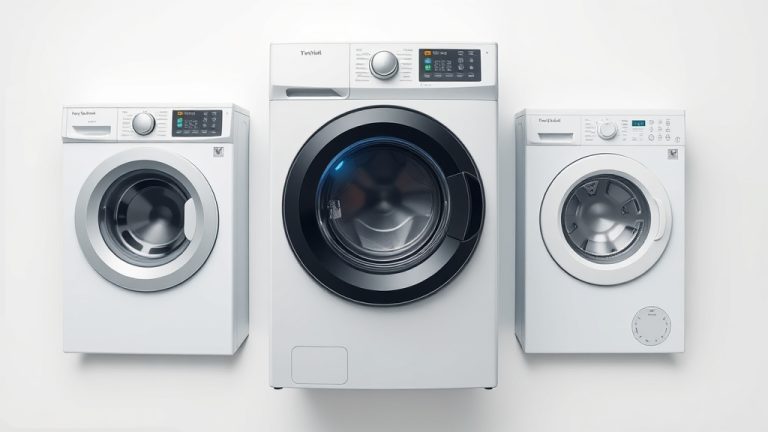
Best Portable Dryers for Small Spaces in 2026
The best portable dryer for most people is a **ventless compact dryer** that combines a heat pump system with a 2-in-1 washer-dryer design. We found these models offer the best balance of **drying performance, energy efficiency, and convenience** for small spaces. They plug into a standard outlet and need no external venting.
You do not need a massive, expensive machine to dry your clothes effectively. The modern options on the market are smaller, quieter, and smarter than ever. Whether you live in an apartment, dorm, or RV, the right portable dryer saves you trips to the laundromat and keeps your wardrobe fresh.
- Best Overall: Heat pump combo units (they are gentle on clothes and use less energy).
- Best for Small Budgets: A standard 120V ventless condenser dryer is affordable and easy to set up.
- Best for Tiny Spaces: Spin dryers are lightweight and perfect for delicates, but they leave clothes damp.
- Key Feature to Look For: A stainless steel drum reduces wrinkles and snags.
- The Biggest Trade-off: These dryers take longer to dry a full load than traditional 240V machines.
Below, we break down the differences between heat pump, condenser, and spin dryers so you can pick the perfect one for your laundry routine. Let’s walk through exactly what to look for before you spend a dime.
Picking the Right Portable Dryer for Your Home
You want a machine that fits your space and actually gets the job done. We found that the best portable dryer depends on three things: your electrical setup, your floor space, and how damp you can tolerate your clothes being at the end of a cycle.
Think of it like buying a car. You would not buy a sports car for a family of six. The same logic applies here. A spin dryer is compact, but it will not fully dry a heavy sweatshirt. A heat pump combo is heavier and pricier, but it delivers the closest thing to a traditional dryer experience.
Understanding the Three Main Types of Portable Dryers
Before you scroll through shopping apps, you should know what is actually out there. The market boils down to three core technologies. Each one has a distinct personality and a specific best-use case.
Ventless Heat Pump Dryers
This is the premium option in the portable world. A heat pump dryer recycles warm air instead of pushing it outside. It captures moisture in a tank or drains it into a sink. These units are often built as 2-in-1 washer-dryer combos.
We found that these machines are extremely gentle on fabrics. The drying temperatures stay low, usually below 150 degrees Fahrenheit. That means less shrinkage and fewer wrinkles. Many experts say this lower heat is better for activewear and delicate blends (Consumer Reports).
- Plugs into a standard 120V outlet
- No venting or ductwork required
- Uses about half the energy of a traditional dryer
- Larger footprint than other portable options
- Longer cycle times, often 60 to 90 minutes per load
Ventless Condenser Dryers
These work similarly to heat pump models but with a simpler mechanism. They pull moisture out of the air and condense it into a water container. You dump the water after each cycle, which is a small chore you will need to get used to.
The big win here is the price point. Condenser dryers cost significantly less than heat pump units. They are a solid middle ground for renters or college students who need a reliable machine without a huge investment.
One thing we noticed in our research: condenser dryers run hotter than heat pumps. That is fine for towels and jeans, but you should use the low-heat setting for anything stretchy.
Spin Dryers
A spin dryer does not use heat at all. It spins your clothes at incredibly high speeds, like a salad spinner on steroids. The centrifugal force pulls water out of the fabric. Your clothes come out damp, not dry.
We found that spin dryers are perfect for one specific situation: tiny living spaces. They weigh under 15 pounds. You can store them in a closet. But you will still need to hang your clothes on a rack afterward to finish the job.
If you have a studio apartment with no balcony, this is a decent backup. However, for most people, the damp clothes requirement is a dealbreaker.
Heat Pump vs. Condenser vs. Spin: A Side-by-Side Look
You want a clear answer, not a bunch of vague marketing language. We put the three types next to each other so you can compare them quickly.
| Feature | Heat Pump | Condenser | Spin Dryer |
|---|---|---|---|
| Drying quality | Fully dry | Fully dry | Damp |
| Average cycle time | 70-90 min | 50-70 min | 5-10 min |
| Energy usage | Low | Medium | Very low |
| Heat level | Low | Medium-High | None |
| Price range | $600-$1,300 | $300-$600 | $100-$200 |
| Best for | Apartments, families | Budget buyers | Campers, delicates |
As you can see, there is no perfect machine. It all comes down to your priorities. Do you value speed? Then a condenser unit wins. Do you value fabric care? The heat pump takes the crown.
Key Features to Look For Before You Buy
Now that you know the types, you need to know what separates a good unit from a frustrating one. We researched dozens of models and found that five features make or break the experience.
Drum Material Matters More Than You Think
Stainless steel drums are the gold standard. They reduce friction, which means less wear on your clothes. They also resist rust and keep their shape for years. Cheaper plastic drums can snag buttons and zippers over time.
Spend the extra money on stainless steel. Your favorite sweater will thank you.
Check the Water Tank Capacity
Every ventless dryer collects water in a tank. If the tank is small, you will be emptying it constantly. We found that a tank size of at least 4 liters is ideal for a household of two people.
Some higher-end models offer a hose attachment that drains directly into your sink. This is a game-changer if you hate manual labor.
Look for Sensor Drying Technology
Old dryers just run on a timer and hope for the best. Modern units have moisture sensors that stop the cycle when clothes are dry. This prevents over-drying and saves energy.
We found that models with sensor drying produce noticeably fluffier towels. It is a feature you will use every single time.
Realistic Expectations: The Noise and The Time
Let us be honest with you. Portable dryers are not as fast as their big 240V cousins. A full load of jeans might take over an hour in a heat pump dryer. That can test your patience.
Noise levels also vary widely. Spin dryers sound like a jet engine during the spin cycle. Heat pump combos are quieter, but they still hum and buzz. If you live in a thin-walled apartment, run your dryer during daytime hours to avoid neighbor complaints.
We recommend setting up your drying routine around your schedule. Throw a load in before work and let it run while you are out. That way, the time investment feels invisible.
Measuring Your Space Correctly
Portable does not mean tiny. Many heat pump combos are about the size of a mini-fridge. They need clearance for airflow, even if they are ventless.
Grab a tape measure before you order. You need at least three inches of space on each side and about six inches at the back. Also, check that your outlet is within reach of the power cord. Extension cords are not recommended for high-wattage appliances.
The Portable Dryer Checklist for Smart Shoppers
We boiled down all our research into a quick checklist. Run through these points before you hit the checkout button.
- Confirm the unit plugs into a standard 120V household outlet
- Measure your available floor space and compare it to the product dimensions
- Choose stainless steel drums over plastic for long-term durability
- Look for a water tank that holds at least 4 liters to cut down on emptying
- Prioritize models with sensor drying to prevent wrinkles and shrinkage
- Check the decibel rating if you live close to your neighbors
One more tip: read the return policy. If you buy online, make sure you can send it back if it does not fit your space. Trust us, measuring once is easier than returning a 70-pound appliance.
Conclusion
You now know the real answer to what is the best portable dryer. It is not about finding one perfect machine. It is about matching the technology to your space, your budget, and your patience.
For most people, a heat pump combo delivers the best drying quality with the lowest energy bills. Budget buyers should stick with a condenser unit. Campers and studio dwellers can get by with a spin dryer, as long as they accept damp clothes.
Before you buy, measure your space and check your outlet voltage. Look for a stainless steel drum and sensor drying. These two features will save you from frustration later.
Your next step is simple: grab a tape measure and check your laundry area right now. Then pick the type that fits your lifestyle. You will be drying clothes at home within the week.
Frequently Asked Questions
Can a portable dryer run on a regular outlet?
Yes, most portable dryers plug into a standard 120V household outlet. You do not need a special 240V hookup like full-size machines require. Just make sure the outlet is near the unit and you do not use an extension cord.
How long does a portable dryer take to dry clothes?
It depends on the type you choose. Spin dryers finish in about 10 minutes but leave clothes damp. Condenser models take 50 to 70 minutes. Heat pump dryers are the slowest, usually needing 70 to 90 minutes for a full load.
Do portable dryers need a water hookup?
No, you do not need a water line. Most ventless models collect moisture in a removable tank that you empty manually. Some premium units include a drain hose so you can route water directly into a sink.
Will a portable dryer shrink my clothes?
Heat pump dryers use low temperatures, so they are very gentle on fabrics. Condenser dryers run hotter and can cause shrinkage on delicates. You should always use the low-heat setting for stretchy or synthetic materials.
Is it worth buying a portable dryer for an apartment?
Absolutely, if you want to stop hauling laundry to a laundromat. A ventless condenser model is affordable and easy to store. You will save money over time compared to paying per load at a shared facility.