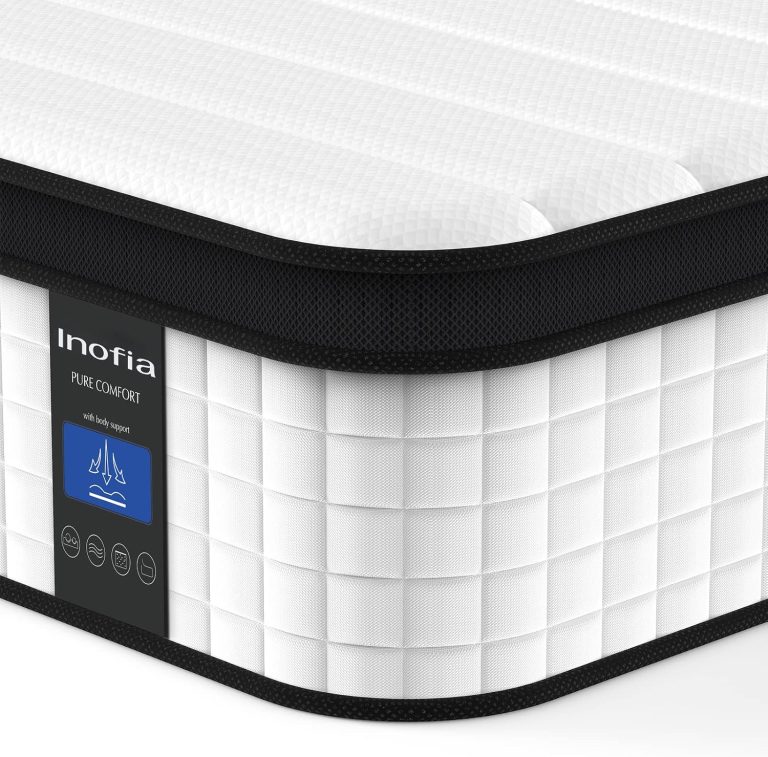
Can You Use FSA for Mattresses? Rules Explained
Yes, mattresses can be covered by an FSA, but only if you have a medical need and a doctor’s note. The IRS does not list mattresses as an automatic eligible expense, so you cannot simply use your card on any bed. Your specific condition and a Letter of Medical Necessity are what make the purchase qualify.
We found that this rule applies to both FSA and HSA accounts, but the approval process requires careful documentation. Many experts say that conditions like chronic back pain, acid reflux, or sleep apnea can justify a mattress purchase. However, you must prove the mattress is a treatment for a medical condition, not just for general comfort or better sleep.
- Mattresses are only FSA-eligible with a Letter of Medical Necessity (LMN) from your doctor.
- You must have a diagnosed condition like back pain, allergies, or GERD to qualify.
- Keep your prescription, receipt, and LMN in case your FSA provider asks for proof.
- Smart beds, adjustable bases, and mattress toppers may also qualify under the same rules.
- You cannot use FSA funds for a mattress just because you want a better night’s sleep.
Below, we break down exactly how to get your mattress approved, what documents you need, and the smartest way to use your FSA card without getting rejected. Let’s walk through the steps so you can rest easy without losing your tax-free savings.
Understanding FSA Eligibility for Mattress Purchases
You might be surprised to learn that your FSA card can actually work for a mattress purchase. The key is understanding what makes the IRS say yes. We found that the rules hinge on one simple question: is this mattress a medical treatment or a comfort item?
The IRS uses something called medical necessity to make this call. If your doctor says you need a specific mattress to treat a condition, you’re in business. If you just want a softer bed, that’s a personal expense. Many people miss this distinction and get their claims denied.
Why the IRS Treats Mattresses Differently Than Other Items
Think of it like this. A wheelchair is clearly medical. A treadmill is borderline. A mattress falls into that gray zone where context matters. The IRS looks at the purpose of the purchase, not the item itself.
We found that the same mattress could be eligible for one person and denied for another. It all depends on your medical situation. A doctor’s note changes everything because it connects the mattress to your health condition.
The Letter of Medical Necessity Explained
This letter is your golden ticket. It’s a formal document from your doctor that states your diagnosis and explains why the mattress is necessary treatment. Without it, most FSA providers will reject your claim.
The letter should include your condition, the specific features you need, and how long you’ll need the mattress. We recommend getting this document before you even start shopping. That way you know exactly what to buy.
Which Medical Conditions Qualify for FSA Mattress Coverage
Certain health issues make mattress purchases much easier to justify. We found that conditions involving pain, breathing, or allergies tend to get approved most often. Here’s what typically works.
- Chronic back pain or spinal issues
- Acid reflux or GERD that worsens when lying down
- Sleep apnea or other breathing disorders
- Severe allergies triggered by dust mites
- Fibromyalgia or other chronic pain conditions
- Circulation problems that require elevation
These conditions have one thing in common. They directly affect how your body responds to sleep surfaces. Many guidelines point to proper sleep support as part of treatment plans (Mayo Clinic).
How Back Pain Justifies a Specific Mattress Type
If you have chronic back pain, your doctor might recommend a medium-firm mattress. Research and found evidence suggests this firmness level supports spinal alignment best. Your LMN should specify this exact requirement.
We found that doctors often write prescriptions for mattresses with specific pressure-relieving properties. Memory foam and hybrid options frequently come up in these recommendations. The more specific your doctor is, the stronger your case.
Sleep Apnea and Adjustable Beds
Sleep apnea requires keeping your upper body elevated. That’s why adjustable beds often qualify alongside mattresses. Many experts say that elevation helps keep airways open during sleep. Our comparison of adjustable beds vs. regular mattresses explains which setup best supports elevated sleep.
Your prescription might include a full adjustable base system. If your doctor documents the medical need for elevation, you can often get both items covered. Just make sure the documentation clearly links the equipment to your condition.
How to Get Your Mattress Approved by Your FSA Provider
Getting approval takes a few specific steps. We found that preparation is everything. If you go in without the right paperwork, you’ll likely face a denial.
Start by scheduling an appointment with your doctor. Explain your symptoms and ask if a specific mattress type could help. Get everything in writing before you spend any money.
The Documentation You Need to Keep
Your paperwork is your proof. Keep every piece of it organized and accessible. Here’s what you’ll need.
- A signed Letter of Medical Necessity from your doctor
- Your itemized receipt showing the exact mattress purchased
- The product description and specifications
- Your FSA claim form if you’re submitting manually
- Any correspondence with your FSA provider about the purchase
We recommend scanning all documents and storing them digitally. You never know when your provider might ask for verification. Being ready saves you from stressful back-and-forth emails.
What Happens When You Use Your FSA Card Directly
Sometimes the card goes through at checkout. That doesn’t mean you’re in the clear. Many FSA providers run audits later and ask for proof.
If you can’t provide documentation when they ask, you’ll have to pay the money back. We found that this happens more often than people expect. Don’t assume that a successful swipe means permanent approval.
Comparing FSA and HSA Rules for Mattress Coverage
Both accounts follow similar rules, but there are key differences. We found that HSAs give you more flexibility. The IRS treats them similarly for eligibility, but HSAs are easier to manage.
| Feature | FSA | HSA |
|---|---|---|
| Money rolls over each year | Limited or none | Yes, fully |
| Requires doctor’s note | Yes | Yes |
| Account ownership | Employer | You own it |
| Reimbursement process | May require upfront approval | Can reimburse yourself |
Many experts say that HSA users have an easier time with self-verification. You can pay for the mattress and reimburse yourself if you have proper documentation. FSA users often need pre-approval depending on their plan.
Smart Strategies to Avoid FSA Mattress Denials
Nobody wants to lose their tax-free savings on a denied claim. We found a few smart moves that reduce your risk. Follow these steps and you’ll have a much smoother experience.
Get pre-approval before purchasing. Call your FSA provider and ask about their specific requirements. Some plans have special forms you need to use. Knowing this upfront saves you from costly mistakes.
Choosing the Right Time to Purchase
If your FSA has a use-it-or-lose-it rule, timing matters. Don’t wait until December to scramble for documentation. Plan your purchase mid-year so you have time to address any issues.
We also recommend buying from a retailer that provides detailed receipts. Big box stores and online sellers can give you itemized invoices. These make your documentation stronger and clearer.
What to Do If Your Claim Gets Denied
Don’t panic. A denial isn’t the end of the road. You have the right to appeal with additional documentation.
Contact your FSA provider and ask exactly why they rejected the claim. Often, they just need more specific wording from your doctor. Ask your physician to revise the letter with the exact language your provider wants.
Your FSA Mattress Checklist for Success
We put together a quick checklist to keep you on track. Run through these items before you make any purchase. This simple list can save you hundreds of dollars.
- Schedule a doctor’s appointment to discuss your condition
- Get a detailed Letter of Medical Necessity in writing
- Confirm your FSA provider accepts this type of claim
- Choose a mattress that matches your doctor’s specifications
- Keep your itemized receipt and product documentation
- Submit your claim promptly with all supporting paperwork
Following this checklist keeps everything organized. You’ll have exactly what you need if your provider asks questions. Plus, you’ll have peace of mind knowing you did everything right.
Remember that the process takes some effort. But the payoff is real. You get a mattress that helps your condition while using your pre-tax dollars. That’s a win-win worth pursuing.
Conclusion
Getting a mattress covered by your FSA takes some legwork, but it’s absolutely worth the effort. The secret is connecting your purchase to a real medical condition with a solid Letter of Medical Necessity from your doctor. Without that document, your claim will likely fall flat.
You have a clear path forward: book that doctor’s appointment, get your paperwork in order, and confirm your FSA provider’s rules before you swipe your card. Keep every receipt and document organized. If you follow those steps, you can use your pre-tax dollars on a mattress that genuinely helps your health. That’s a smart financial move and a solid step toward better sleep.
Frequently Asked Questions
Can I use my FSA card to buy a mattress online?
Yes, you can buy a mattress online with your FSA card if your purchase qualifies. The same rules apply as buying in a store. You need your Letter of Medical Necessity and a detailed receipt from the online retailer.
Make sure the receipt clearly shows what you purchased and the cost. Online stores like mattress brands or Amazon can provide itemized invoices. Keep that documentation in case your FSA provider requests it later.
Does a mattress topper qualify for FSA coverage?
Yes, a mattress topper can qualify under the same rules as a full mattress. Your doctor needs to document that the topper treats your specific medical condition. A prescription for pressure relief or back support can work.
The same Letter of Medical Necessity process applies. Your topper must be a treatment, not just a comfort upgrade. Keep your receipt and the doctor’s note together in your files.
What happens if I already bought a mattress without a doctor’s note?
You might still get reimbursed, but you need to act fast. Contact your doctor and explain your condition and why the mattress helps. Ask them to write a Letter of Medical Necessity retroactively.
Your FSA provider may accept this if the letter is dated correctly and explains your medical need. You also need your itemized receipt. Submitting both together gives you the best shot at approval.
Can I use my FSA for an adjustable bed base?
Yes, an adjustable bed base can qualify if you have a medical need for elevation. Conditions like acid reflux, sleep apnea, or circulation issues often justify this purchase. Your doctor must document why elevation is necessary for your health.
The base and the mattress can sometimes be bundled into one claim. Make sure your Letter of Medical Necessity covers both items. This strengthens your case and simplifies your documentation.
How long does an FSA mattress reimbursement take?
Most FSA providers process claims within 5 to 10 business days. The timeline depends on your specific plan and whether you submitted all required documents upfront. Missing paperwork will slow things down.
You can speed things up by submitting your Letter of Medical Necessity, itemized receipt, and claim form all at once. Check your provider’s portal for real-time updates. If it takes longer than two weeks, give them a call.