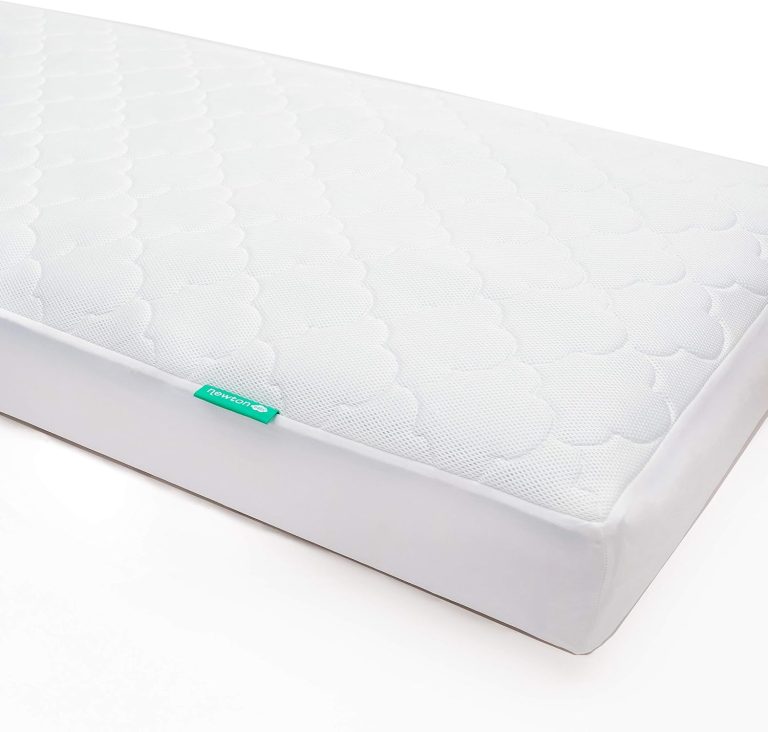
Can You Use an HSA for Mattresses? 2026 Rules
No, mattresses are not HSA eligible in most cases, because the IRS considers them a general household item rather than a medical expense. You can only use your Health Savings Account for a mattress if you have a doctor’s written recommendation for a specific medical condition, like chronic back pain or sleep apnea. Even then, the cost may only be partially covered, depending on what your doctor prescribes.
We found that the rules around HSA-eligible expenses can feel confusing, especially when you’re dealing with back pain and just want a good night’s sleep. The IRS has strict guidelines, but there are some clever workarounds if you know where to look. Many people assume all “health-related” purchases qualify, but that’s simply not how the IRS sees it.
- The short answer: A standard mattress is not HSA-eligible.
- The exception: A doctor’s Letter of Medical Necessity can make it eligible.
- The catch: The cost must be for the medical need, not just general comfort.
- The rule: If the mattress helps a diagnosed condition, you may qualify for partial reimbursement.
- The reminder: Always keep your doctor’s note and purchase receipt for your records.
Below, we break down the exact IRS rules, the steps you need to take, and the practical options you have for using your HSA funds on a new mattress.
Understanding HSA Rules for Everyday Purchases
The IRS draws a clear line between medical care and general living expenses. A mattress usually falls on the “living expenses” side. We found that this distinction trips up a lot of people. You might think, “If my back hurts, doesn’t that make it medical?” The IRS says not automatically.
Your HSA is designed for costs that treat or prevent a specific medical condition. It is not a general wellness fund. Think of it like this: buying running shoes is great for your health, but unless a doctor prescribes them for a foot condition, they are not HSA-eligible. Mattresses work the same way.
Why the IRS Says No to Standard Mattresses
Research and found that the IRS uses a “but-for” test for medical expenses. The cost only qualifies if you would not have incurred it but for the medical need. A regular mattress purchase fails this test. You need a bed regardless of your health status. It is a household item first, a medical tool second.
Many guidelines point to the fact that general health improvement is not enough (IRS Publication 502). The expense must be primarily for medical care. If your main reason is comfort or a better night’s sleep, it will not pass the test. The IRS is strict here.
The One Big Exception: Your Doctor’s Note
A doctor’s written recommendation changes everything. This is called a Letter of Medical Necessity (LMN). We found that this letter is your golden ticket for HSA reimbursement. It must clearly state that the mattress treats a specific, diagnosed condition.
The note cannot be vague. “Patient has back pain” is not enough. It needs to say something like, “Patient has chronic lumbar disc disease. A firm mattress with specific support is medically necessary to manage symptoms.” That level of detail matters to the IRS.
Steps to Get Your Mattress Covered by Your HSA
You can make this work, but you need to plan ahead. We found that the process is simple if you follow the right order. Do not buy the mattress first and ask for a note later. That looks like an afterthought to the IRS. Here is the process that works.
First, schedule an appointment with your doctor. Second, explain your symptoms clearly. Third, ask if a specific type of mattress would be a legitimate medical treatment. Fourth, get the letter in writing. Fifth, keep it with your receipt forever.
What to Ask Your Doctor For
You need a prescription, not just a suggestion. Many experts say that doctors are happy to write these for chronic pain, sleep apnea, or severe allergies. The letter should mention the specific medical condition. It should also explain why your current bed makes things worse.
The letter must link the mattress to your treatment plan. For example, if you have sleep apnea, the letter might state that an adjustable base helps keep your airway open. Without that link, the expense is just a purchase. We found that specificity is your best friend here.
Sample Details Your Doctor Should Include
- Your exact diagnosis, like “chronic lower back pain” or “obstructive sleep apnea.”
- The specific type of mattress needed, like “firm” or “adjustable.”
- A clear statement that the mattress is part of your treatment plan.
- The expected duration of the need, like “long-term management.”
- A signature and the date of the recommendation.
- Their medical license number, which adds credibility.
Partial Reimbursement: The Realistic Scenario
Here is the catch that surprises most people. Even with a doctor’s note, you likely will not get the full cost back. We found that the IRS only allows reimbursement for the portion that exceeds a standard bed cost. You have to prove the medical version costs more.
Let’s say a basic queen mattress costs $500. Your doctor prescribes a special ergonomic model that costs $1,200. The IRS may only consider the $700 difference as a medical expense. The baseline cost is on you. This is a fair approach, but it requires careful math on your part.
How to Calculate What You Can Claim
Start by documenting the price of a comparable standard mattress. Then subtract that from the price of the medical one. The difference is what you can claim on your HSA. We found that this calculation keeps you safe if the IRS ever audits you.
Keep all your price research. Screenshots, store quotes, and printouts all help. You want to show that the medical version costs more for a medical reason. That extra cost is the part your HSA can cover. It is a fair system, but it demands paperwork.
| Scenario | Mattress Cost | HSA Reimbursable? |
|---|---|---|
| Standard mattress, no doctor note | $800 | No, full cost disqualified |
| Medical mattress, doctor note provided | $1,400 | Possibly the difference above a standard model |
| Adjustable base for sleep apnea, with note | $2,000 | Yes, if cost exceeds standard base |
Alternatives When Your HSA Falls Short
If you cannot get a doctor’s note, do not worry. We found that there are other ways to pay for your new mattress. Your HSA is not the only option. You might have an FSA, a different savings account, or store financing to consider.
Another angle is to look for medical discount programs. Some mattress companies sell “medical grade” products and offer payment plans. These do not make the purchase HSA-eligible, but they make it more affordable. That is a practical workaround for your budget.
Using Your FSA Instead
A Flexible Spending Account (FSA) has similar rules, but it is not exactly the same. Many guidelines point to the same IRS definitions for both accounts. However, FSAs sometimes have more lenient documentation requirements. It is worth checking with your benefits administrator about their specific rules.
One key difference is that FSAs are “use it or lose it.” You need to spend the money by a deadline. If you have funds sitting in an FSA, a medically necessary mattress could be a smart way to use them. Just get the same doctor’s letter for safety.
When to Just Use Cash or Financing
Sometimes the simplest path is to skip the HSA entirely. If your condition is mild or a doctor is hesitant, do not force it. We found that many people stress over HSA rules when they could just buy a good mattress directly. Your health matters more than a tax break.
Look for sales, use a 0% APR card, or check if the store offers layaway. A good mattress is an investment in your daily life. Even if the IRS does not help, your body will thank you. That is a win in our book.
Keeping Your Documentation in Order
Paperwork is boring, but it protects you. We found that the IRS can ask for proof years after your purchase. You do not want to be caught empty-handed. A simple folder or digital scan of your documents is enough. It takes ten minutes and saves headaches later.
Store your doctor’s letter, the itemized receipt, and your payment method confirmation. You should also keep the product description from the manufacturer. That description proves the mattress has the medical features your doctor prescribed. It ties everything together. If you’re considering an adjustable base, our adjustable bed mattress warranty guide explains what to check before you buy.
What to Save and for How Long
The IRS generally has a three-year window for audits, but it can be longer. We recommend keeping records for at least seven years. That is the safe standard for most financial documents. You can store them digitally with cloud backup or in a physical file.
Also, take a photo of the mattress tag or model number. If you ever need to explain your purchase, that photo helps. It shows exactly what you bought. It is a small step that makes a big difference if questions come up later.
Common Mistakes People Make With HSA Mattress Claims
We found that most rejected claims are due to avoidable errors. People buy the bed first, then try to find a doctor to sign off. That is backwards. You need the prescription before the purchase, not after. The IRS looks at the timing carefully.
Another big mistake is using a general “wellness” letter from a chiropractor or online service. The IRS prefers a letter from your primary care physician or a specialist. It must be for a diagnosed condition, not just “general discomfort.” A vague note is almost as bad as no note.
A Quick Checklist Before You Buy
- Get a written prescription or Letter of Medical Necessity from your doctor.
- Ensure the letter names your specific diagnosis, like sleep apnea or sciatica.
- Ask the mattress company for a detailed invoice that lists medical features.
- Calculate the cost difference from a standard mattress for your claim.
- Keep the doctor’s note, receipt, and product description in one place.
- Save all documents for at least seven years in a safe spot.
You have the power to make an informed choice here. We found that a little planning goes a long way. If you have a real medical need, get the note and follow the rules. If not, just buy the mattress you love and sleep well knowing you made a smart decision for your health.
Conclusion
Getting your HSA to cover a mattress is possible, but it takes planning. The IRS only approves it with a doctor’s written recommendation for a specific condition. A standard bed for general comfort will not pass the test.
Your best move is to talk to your doctor before you shop. Get a detailed Letter of Medical Necessity that explains your diagnosis and the exact mattress features you need. Then, keep every receipt and document for at least seven years.
If you do not have a medical need, skip the HSA hassle. Buy the mattress that fits your budget and sleep well. Your health is worth the investment, whether or not the IRS agrees to help.
Frequently Asked Questions
Can I use my HSA card to buy a mattress online?
Most online mattress retailers will reject your HSA card at checkout. That is because the IRS does not classify standard mattresses as qualified medical expenses. If you have a doctor’s note, you can pay with your own money and submit a reimbursement claim afterward.
Does a chiropractor’s note count for HSA mattress reimbursement?
The IRS prefers a recommendation from a licensed physician, like your primary care doctor or a specialist. A chiropractor’s note might work if they are licensed to diagnose your condition. Your best bet is to ask your main doctor for the letter to keep things safe.
What if my doctor writes a note after I already bought the mattress?
You can still submit a claim, but it is riskier. The IRS may see the timing as proof that you bought the bed for comfort, not medical care. Try to get the letter before you purchase to strengthen your case.
Are adjustable bed bases HSA eligible if I have acid reflux?
An adjustable base can qualify if your doctor says it treats a diagnosed condition like GERD or sleep apnea. The same rules apply as with mattresses. You need a written prescription and documentation that proves the medical need.
Can I claim a mattress on my taxes if I used an FSA instead of an HSA?
No, you cannot double-dip. If you used pre-tax FSA funds for the mattress, you already got the tax benefit. You cannot also claim it as a deduction on your tax return. Pick one method and stick with it.