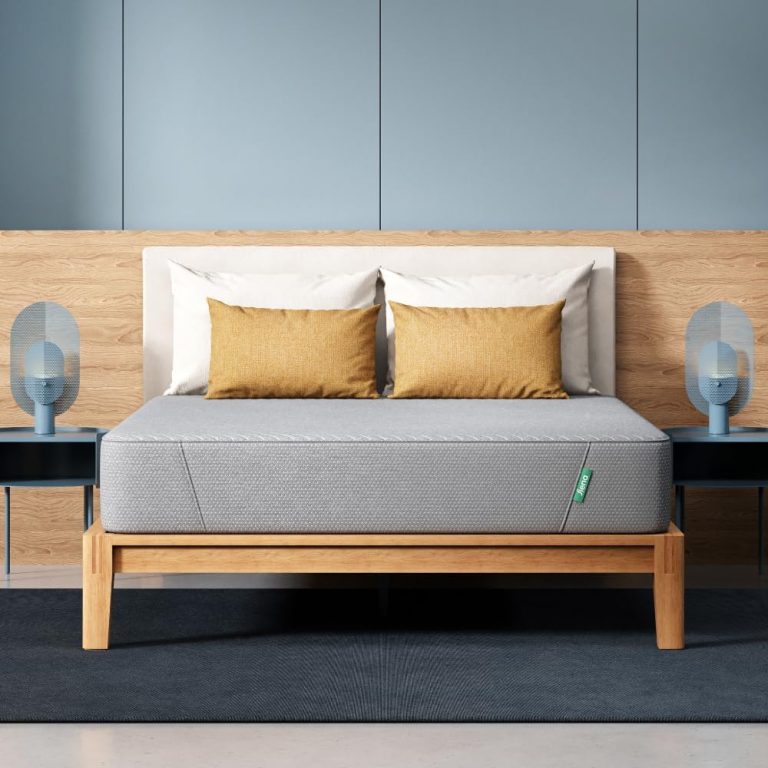
Mattress Dimensions Compared: Find Your Perfect Fit
When you compare mattress dimensions, the main difference comes down to bed size categories—Twin, Full, Queen, King, and California King—and their exact measurements in inches. A Queen mattress is the most popular choice for couples because it measures 60 inches wide by 80 inches long, giving each person about 30 inches of personal space. You should match your mattress size to your room dimensions and your sleeping habits before you buy.
Your height and how you sleep matter almost as much as the square footage of your room. Taller sleepers often need a longer bed like a California King, which is 72 inches wide by 84 inches long. We found that most people overlook the actual length and width differences between a standard King and a Cal King, which causes fit problems later. We also found that crib, toddler, and RV mattresses use totally different sizing rules, so always measure your frame first.
TL;DR
- A Twin mattress is 38″ x 75″ and works best for kids or tight guest rooms.
- A Full (or Double) is 54″ x 75″ but only gives each sleeper 27 inches—tight for two adults.
- A Queen is 60″ x 80″ and the top pick for couples who want extra length.
- A King is 76″ x 80″ and offers the most width for families with kids or pets.
- A California King is 72″ x 84″ and is longer but narrower than a standard King.
Below, we walk you through every standard mattress dimension, the room sizes that fit them, and how to choose the right one for your body type and budget.
Comparing Standard Mattress Sizes Side by Side
You have probably stared at a showroom floor and wondered why there are so many rectangles. We found that understanding the numbers makes the whole process much simpler. Every standard mattress size exists for a specific reason, from a kid’s first big bed to a master suite upgrade.
Below is the quick breakdown you need before you grab a tape measure. We also found that most frames are built for one specific size, so double-check yours first.
Common Bed Sizes and Their Exact Measurements
Standard US mattress dimensions follow a consistent grid. Here is the full list so you can compare mattress dimensions without any guesswork.
| Bed Size | Width (inches) | Length (inches) | Best For |
|---|---|---|---|
| Twin | 38 | 75 | Kids, single adults, guest rooms |
| Twin XL | 38 | 80 | Tall teens, college dorms |
| Full (Double) | 54 | 75 | Single sleepers who want extra room |
| Queen | 60 | 80 | Couples, master bedrooms |
| King (Eastern King) | 76 | 80 | Couples with kids or pets |
| California King | 72 | 84 | Tall sleepers, narrow rooms |
Notice the length difference between a Twin and a Twin XL. That extra five inches makes a big difference for a growing teenager. Many college dorms require a Twin XL because standard Twin sheets simply do not fit.
Why Room Size Dictates Your Mattress Choice
We found that people often buy a bed first, then realize it swallows the entire bedroom. A mattress needs breathing room. You should be able to walk around the bed and open drawers without bumping your shins.
Here is a simple rule of thumb. Your room should be at least five feet wider than the mattress. For a Queen bed at 60 inches wide, you want a room that is roughly 10 feet by 10 feet. A King bed needs a room that is at least 12 feet by 12 feet to feel comfortable (many interior design guides recommend this minimum).
Measuring Your Bedroom Space Properly
Grab a tape measure and write down the room’s length and width. Then subtract about three feet for a dresser and closet doors. That remaining space is your realistic bed zone. If you are working with a small room, you might need to compare mattress dimensions with a focus on floor space.
Pro tip from our research: trace the outline of the mattress on the floor with painter’s tape. You will instantly see how much room you have left. It sounds silly, but it works.
Queen vs. King vs. California King for Couples
This is the big debate. We found that couples disagree less about brand and more about width versus length. A Queen gives each person 30 inches of personal space. A standard King gives each person 38 inches. That is a huge difference for a side sleeper who throws an elbow.
Queen Size Mattress Dimensions Explained
The Queen is the most popular mattress in the United States. At 60 inches wide and 80 inches long, it fits most master bedrooms. It also fits most budgets. We found that couples who do not have pets or kids in bed are usually happy with a Queen.
If you are over six feet tall, the 80-inch length might be tight. Your feet could hang off the edge. In that case, you should look at a longer option.
Standard King Size Mattress Dimensions Explained
A standard King, sometimes called an Eastern King, measures 76 inches by 80 inches. It is the same length as a Queen, but 16 inches wider. That extra width is a blessing for families who let the dog sleep in the bed. It also helps if your partner is a blanket hog.
Many experts say that a King is the best choice for couples who want maximum horizontal space (Consumer Reports). Just remember that you need a bigger frame, bigger sheets, and a bigger bedroom to house it.
California King Mattress Dimensions Explained
The California King flips the equation. It is 72 inches wide and 84 inches long. That means it is 4 inches narrower than a standard King, but 4 inches longer. This size was designed for taller sleepers who need extra legroom.
We found that Cal King sheets can be harder to find in stores. You will often need to order them online. Also, a Cal King does not fit a standard King frame without an adapter.
Tall Sleeper? Consider the Length Carefully
If you are over six feet two inches, a standard 80-inch bed may leave your ankles hanging off the edge. A California King solves that problem with 84 inches of length. That extra four inches is a game-changer for back and stomach sleepers who stretch out fully (Sleep Foundation guidelines support this for taller individuals).
Twin, Full, and Kids Bed Dimensions
Kids’ beds are not all the same. There is a clear path from crib to adult bed. We found that parents often skip the Full size and jump straight to a Queen, which works fine for a double bedroom. But let us break down the smaller sizes anyway.
Twin vs. Twin XL for Growing Kids and Teens
A Twin mattress is 38 inches by 75 inches. It is a good starter bed for a toddler who is outgrowing a crib mattress. It is also the smallest standard size, so it fits in a narrow guest room or a bunk bed.
A Twin XL is the same width but 80 inches long. This is the size used in most college dormitories. If your teenager is already five feet ten inches, we recommend the Twin XL. It buys a few years of growth without taking up extra floor width.
Full Size Mattress Dimensions and Its Limits
A Full mattress, sometimes called a Double, measures 54 inches by 75 inches. That is the same length as a Twin, so tall adults will struggle. The width gives one person plenty of space to sprawl, but it is only 27 inches per person for two sleepers.
We found that a Full is best for a solo adult in a studio apartment. For two adults, shared sleeping is tight. You will likely end up with an elbow in the ribs by morning.
Specialty Mattress Sizes You Might Encounter
Beyond the standard five, there are specialty sizes. You will bump into these if you shop for RV mattresses, cribs, or custom platforms. Do not assume that “standard” rules apply.
Crib and Toddler Mattress Dimensions
A standard crib mattress is 28 inches wide by 52 inches long. That size is regulated by the federal government for safety. Once your child moves to a toddler bed, the mattress is often the same dimensions, just on a lower frame.
We found that parents should not put a toddler in a Twin bed unless the child is over three years old. The drop to the floor is higher and the bed might feel too large. Always use guardrails when transitioning.
RV Mattress Dimensions and Odd Shapes
Recreational vehicles use non-standard sizes. A typical RV Queen is 60 inches by 75 inches, which is five inches shorter than a residential Queen. That means standard Queen sheets will not fit.
Our advice: measure the RV bed platform before you buy anything. Many RV owners order custom-cut foam mattresses because the frames are angled or rounded.
How to Choose the Right Mattress Size for Your Body
Your height and weight matter more than the size of the room. We found that a 200-pound side sleeper needs more width than a 130-pound back sleeper. Here is a quick checklist to run through before you order.
A Simple Mattress Buying Checklist
Use this list to narrow down your options. It takes about five minutes and saves you from a costly mistake.
- Measure your bedroom floor space (length and width).
- Measure your height and add six inches for wiggle room.
- Decide if you will share the bed with a partner, child, or pet.
- Check the doorways and stairwells in your home for clearance.
- Confirm your bed frame size before you buy (King frames do not fit Queens).
- Pick a size that leaves at least 24 inches of walking space on one side.
Consider Your Sleeping Position
Stomach sleepers often spread out, so they want extra width. Side sleepers need enough length to stretch their legs. Back sleepers usually do fine with a standard Queen. Your body type and favorite position should dictate the final call, not just the room size.
We found that comparing mattress dimensions takes about ten minutes. Once you know the numbers, the choice becomes obvious. The right bed fits your body first, then your bedroom. If you are still torn between two sizes, go with the larger one. Nobody ever regrets having a little more space to stretch out at night.
Conclusion
Choosing the right mattress comes down to three numbers: your height, your partner’s sleep style, and your room dimensions. You now know that a Queen fits most couples, a King adds valuable width, and a California King solves the tall sleeper problem. You also know that smaller sizes like Twin and Full have clear limits for shared sleeping.
We found that most people regret buying a bed that is too small, not one that is too big. Take the tape measure you used on your bedroom and apply the same logic to your body. Add six inches to your height for comfort. If you are torn between two sizes, choose the larger one. Your future sleep quality will thank you. Measure your space tonight and order with confidence tomorrow.
Frequently Asked Questions
What is the difference between a Queen and a King mattress?
A King mattress is 16 inches wider than a Queen, which gives each partner an extra 8 inches of personal space. Both are 80 inches long, so the height requirement is the same. You need a larger bedroom to comfortably fit a King frame and box spring.
Can a California King mattress fit on a standard King frame?
No, a California King will not fit on a standard King frame without an adapter. The Cal King is 4 inches narrower but 4 inches longer than a standard King. You can buy a conversion kit, but we found that swapping the frame is usually simpler and more secure.
What size mattress do I need if I am 6 feet 4 inches tall?
You should look for a mattress that is at least 84 inches long. A California King is your best bet at 72 inches wide by 84 inches long. If you sleep alone, a Twin XL at 38 inches by 80 inches might still feel too short for your frame. Always test the length before you commit.
How much bigger is a Full mattress than a Twin?
A Full mattress is 16 inches wider than a Twin, but the length is exactly the same at 75 inches. That extra width helps a solo sleeper sprawl out comfortably. However, two adults will only get 27 inches of space each, which we found to be too cramped for most couples.
Will my standard Queen sheets fit an RV Queen mattress?
Probably not. An RV Queen is typically 60 inches by 75 inches, which is 5 inches shorter than a residential Queen. Standard Queen sheets will bunch up at the foot of the bed. You need to buy RV-specific bedding or order custom sheets to get a snug fit.