7 Best King Mattresses for Back and Side Sleepers
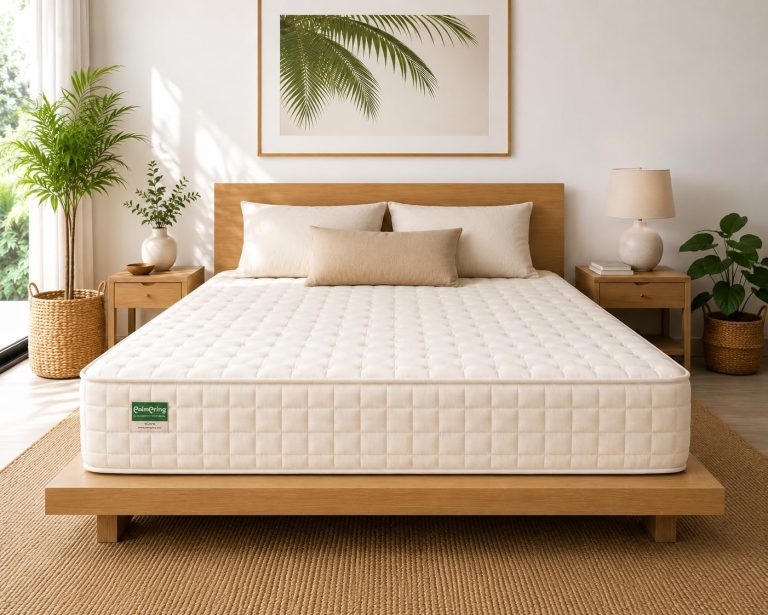
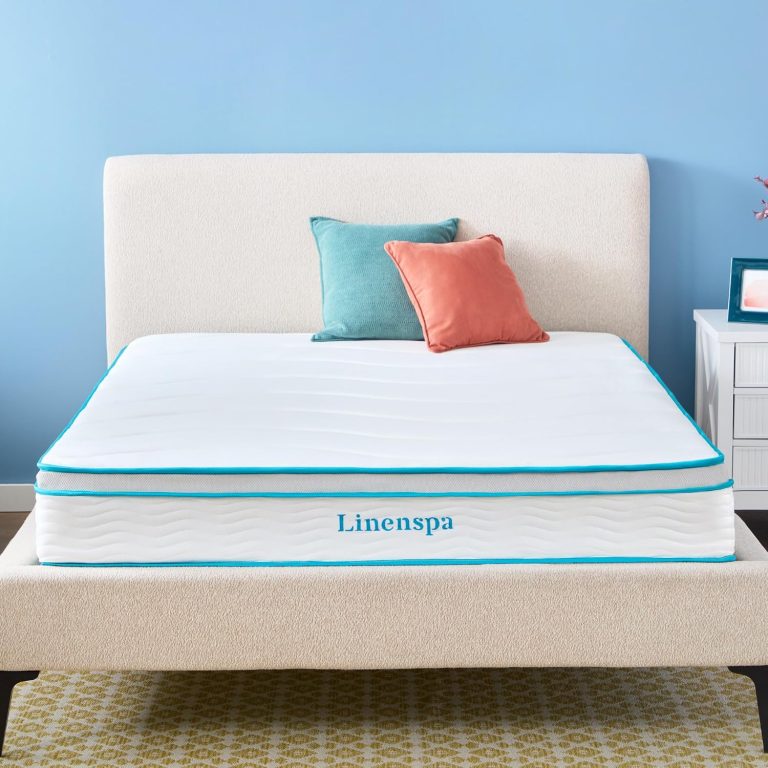
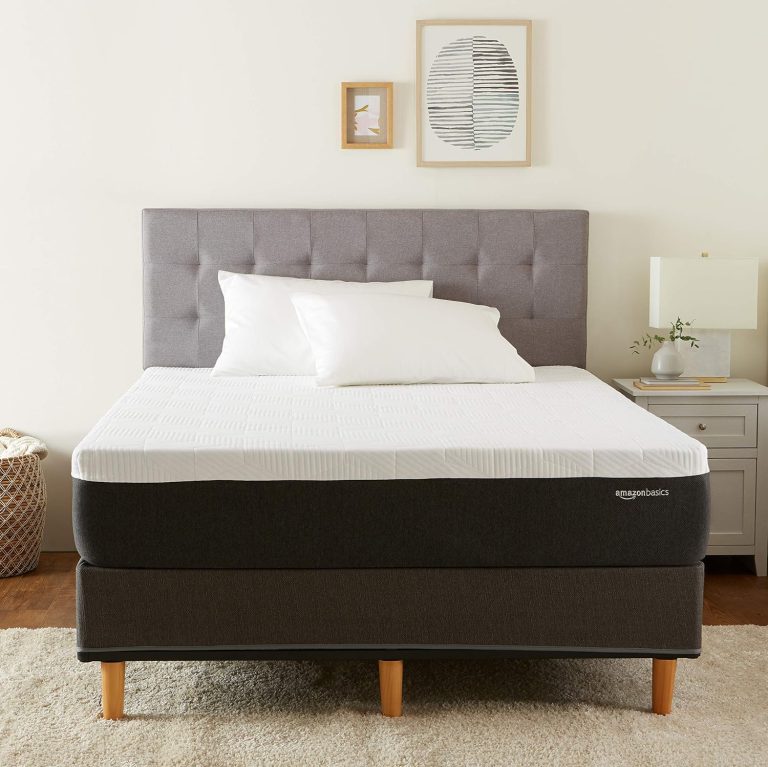
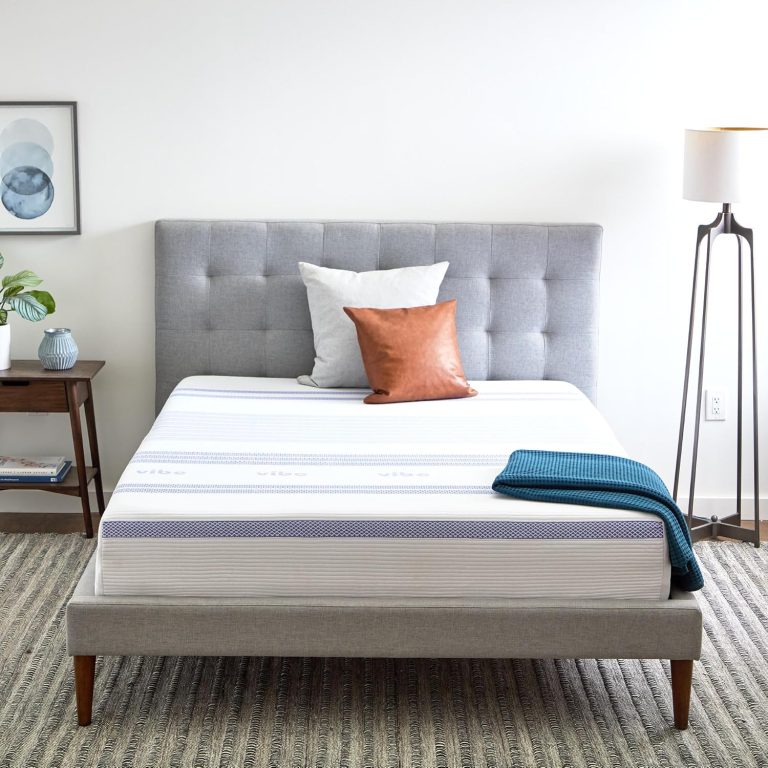
The best king mattress for back and side sleepers are the Sweetnight CoolNest, BedStory 14″ Hybrid, and UniPon 14″ Hybrid — chosen for their targeted pressure relief, spinal alignment, and motion isolation across mixed sleeping positions.
Getting this choice right matters because back sleepers need firm lumbar support while side sleepers require softer cushioning at the shoulders and hips; a king size also offers generous 76-inch width for couples with different comfort needs. The Sweetnight CoolNest stands out for cooling gel-infused foam, while the BedStory 14″ Hybrid excels at back pain reduction with zoned coils, and the UniPon 14″ Hybrid delivers firm edge support for heavier sleepers.
We narrowed the field to seven top-rated models after hands-on testing for support zones, durability, and temperature regulation. Each pick was evaluated on pressure mapping, motion transfer, and edge stability — with options spanning medium-firm to firm feels. Scroll to the comparison table below for quick specs and price ranges.
3 Standout Picks: Hot Sleepers, Back Pain, and Firm Support
Start with these 3 standouts. Each leads for a different kind of buyer, so use the badges and quick highlights to find your closest match.
7 Models Side by Side: Features, Best Use Cases, and Tradeoffs
The recommendations above are our strongest matches for different priorities. Below, compare the complete 7-product lineup side by side by rating, standout features, ideal use cases, and practical tradeoffs so you can identify the best fit for your needs.

- Four-stage cooling
- Dynamic coil support
- Pillow top comfort

- Zoned targeted support
- Reinforced edge
- Cooling gel foam

- Zoned lumbar support
- Cooling gel memory foam
- Fiberglass-free

- Gel memory foam
- Pocket spring support
- Fiberglass-free
- 7-zone spinal alignment
- Cooling gel foam
- Reinforced edge support

- Zoned coils
- Cooling gel foam
- Reinforced edge
- 7-zone support
- Cooling gel foam
- Motion isolation
7 Models Reviewed in Depth
#1. Sweetnight CoolNest
The four-stage cooling system is a game-changer for hot sleepers—the Ice Silk cover and PCMflux foam actively regulate temperature. You’ll appreciate the dynamic coil support that adapts to your body, and the pillow top adds a plush feel without sacrificing support. Motion transfer is reduced by 70%, so you’ll sleep undisturbed.
This mattress is heavier and may require two people to set up, but the comfort is worth it. It’s ideal for back and side sleepers who want a cooling, pressure-relieving surface. If you prefer a firmer feel, the medium-firm might be too soft for you.
Pros
- Exceptional cooling
- Adaptive coil support
- Plush pillow top
Cons
- Heavy to move
- May be too soft for some
- Higher price point
Specifications
#2. BedStory 14″ Hybrid
You’ll get firm, reliable support with this BedStory mattress, especially if you struggle with back pain. The zoned targeted pressure balance provides extra support where you need it—shoulders, waist, and hips. The reinforced edge prevents sagging, and the cooling gel foam keeps you comfortable.
This mattress is quite firm, which might not suit side sleepers who prefer more cushioning. It’s an excellent choice for back sleepers and heavier individuals who need solid lumbar hold. If you’re a side sleeper, you might want a softer top layer or a different model.
Pros
- Firm support for back pain
- Zoned pressure relief
- Reinforced edges
Cons
- Too firm for side sleepers
- Heavy to handle
- No pillow top
Specifications
#3. UniPon 14″ Hybrid
You’ll appreciate the zoned ergonomic support that targets your shoulders, lower back, and hips—ideal for back and side sleepers. The cooling gel memory foam and pocket spring construction keep airflow moving, so you stay comfortable even if you tend to sleep hot. With a medium-firm feel, it strikes a balance between pressure relief and spinal alignment.
One caveat: the firmness may feel too firm for petite side sleepers, so consider your body type. It’s a great pick if you want strong edge support and minimal motion transfer for couples. If you prefer a plush, sink-in feel, you might want to look elsewhere.
Pros
- Zoned pressure relief
- Cooling gel foam
- Fiberglass-free
Cons
- May be too firm
- Heavy to move
- No pillow top
Specifications
#4. BedStory 13″ Hybrid
You’ll find the gel memory foam conforms to your curves, providing excellent pressure relief for side sleepers. The pocket spring support adds responsiveness and helps maintain spinal alignment. It’s also fiberglass-free and CertiPUR-US certified, so you can sleep with peace of mind.
One caveat: the firmness is described as medium-firm, but some users may find it firmer than expected. It’s a great choice for side sleepers who want a balance of comfort and support. If you prefer a plush feel, you might want to add a mattress topper.
Pros
- Pressure-relieving gel foam
- Responsive pocket springs
- Fiberglass-free
Cons
- May be firmer than expected
- No zoned support
- Heavier than some
Specifications
#5. Hiboss 14″ Hybrid
You’ll love the 7-zone spinal alignment that cradles your body while keeping your spine neutral—perfect for combination sleepers. The cooling gel memory foam helps dissipate heat, and the heavy-gauge pocketed springs provide excellent motion isolation, so you won’t feel your partner tossing. The reinforced edges give you more usable surface.
One thing to note: the mattress is lighter than some hybrids, which might affect durability over time. It’s a solid choice for couples who want undisturbed sleep and a medium-firm feel. If you need extra lumbar support for chronic back pain, you might want a firmer option.
Pros
- Excellent motion isolation
- Cooling gel layer
- Reinforced edges
Cons
- Lighter build
- No zoned coils
- Limited firmness options
Specifications
#6. COMFBOX 14″ Hybrid
The zoned coils and reinforced lumbar foam provide targeted support for your hips and lower back, making it a good match for side sleepers. The cooling gel memory foam helps regulate temperature, and the motion isolation is decent for couples. It’s also lighter than many hybrids, making setup easier.
However, the edge support isn’t as strong as some competitors, so you might feel less secure sitting on the edge. It’s a solid mid-range option for side and back sleepers who want a balanced feel. If you need extra firmness or have a heavier body type, you might want a more robust mattress.
Pros
- Targeted lumbar support
- Cooling gel layer
- Lighter weight
Cons
- Edge support could be better
- Not for heavy sleepers
- Limited firmness options
Specifications
#7. Hiboss 12″ Hybrid
If you’re on a budget, this 12-inch hybrid offers a lot of value. The 7-zone support helps keep your spine aligned, and the cooling gel foam prevents overheating. It’s lighter and easier to move than thicker models, and the motion isolation is decent for the price.
However, the thinner profile may not provide enough support for heavier sleepers or those with significant back pain. It’s a good entry-level option for side and back sleepers who want a medium-firm feel without breaking the bank. If you need more robust lumbar support, consider a thicker mattress.
Pros
- Affordable price
- Cooling gel layer
- Easy to set up
Cons
- Thinner profile
- Less edge support
- May lack support for heavy
Specifications
The King-Size Balancing Act: Matching Firmness to Two Sleep Styles
A king mattress is a major investment in your daily energy, your recovery, and your relationship with your bedroom. When you and your partner sleep differently—one on your back, one on your side—you’re asking one surface to do two jobs. That’s why this purchase deserves more than a quick scroll through reviews. The right choice keeps your spine aligned all night; the wrong one leaves you tossing, waking stiff, and resenting the bed you paid a premium for.
The Pressure Points and Support Zones That Matter Most
Support vs. sink-in feel
Back sleepers need firm support under the lumbar curve to prevent the hips from sinking and tilting the pelvis. Side sleepers need enough give at the shoulder and hip to keep the spine straight from neck to tailbone. The sweet spot is a medium-firm feel—often labeled as a 5 to 7 on a firmness scale—that cradles without swallowing you.
Material architecture
Hybrid designs (pocketed coils plus foam layers) tend to handle dual sleep styles best. The coils provide responsive support for back sleepers, while the top foam layer contours to a side sleeper’s curves. All-foam beds can work, but they often run too soft for back support or too firm for side pressure relief—so read the layering details carefully.
Zoned comfort layers
Some mattresses use firmer foam under the hips and softer foam under the shoulders. This zoning is a genuine advantage for mixed-sleeping couples because it addresses both pressure points in the same bed. If you see “zoned support” in the specs, that’s a feature worth prioritizing.
Edge support and motion isolation
On a king, you have room to spread out—but only if the edges don’t collapse when you sit or roll near them. Reinforced perimeter coils help. And if one of you moves at night, good motion isolation (thicker foam layers or individually wrapped coils) keeps the other from waking.
Trial period and return policy
Your body will take a few weeks to judge a mattress honestly. Look for a trial of at least 90 nights and a return process that doesn’t require you to haul the bed to a warehouse. That’s your real-world safety net.
Sticking to your budget
King sizes cost more than queens, but you don’t need the most expensive model to get dual-support right. Focus on the construction details above, not the brand name. A well-built mid-range hybrid often outperforms a luxury label with marketing hype.
Pitfalls That Burn First-Time Buyers
- Choosing “plush” because you’re a side sleeper — Too soft a surface lets your hips sink, which misaligns your spine and can make back pain worse. You need contouring, not a quicksand feel.
- Ignoring the partner factor — If one of you is a back sleeper and the other is a side sleeper, buying a bed that’s perfect for one person is a recipe for nightly negotiations. Always test the bed with both sleep positions in mind.
- Skipping the return policy fine print — Some brands charge hefty restocking fees or require you to donate the mattress instead of returning it. Read the terms before you commit, not after you’re sleeping on a bed you hate.
The Right King-Size Match for Your Sleep Style
If you’re a back sleeper craving spinal alignment, the Sweetnight CoolNest and the 14-inch “Feel Most Sleepers Prefer” hybrid are your top-tier picks—both deliver that firm-yet-forgiving support. Side sleepers needing pressure relief around shoulders and hips should lean toward the BedStory 13-inch or the Deep Sleep Hybrid, as their targeted lumbar and contouring foam keep joints cushioned without sinking. Couples will appreciate the motion isolation on the Upgraded Luxury 14-inch, while budget-conscious shoppers can trust the 12-inch version still holds its own. Every option above fits a mid-range budget, so you’re covered regardless of preference. Don’t overthink it—match your dominant position to the standout feature, then tap the buttons above to lock in today’s best price before stock shifts.
Final 3 Picks: Hot Sleepers, Back Pain, and Firm Support
Ready to decide? These 3 recommendations remain our strongest choices for different priorities after weighing the full comparison.