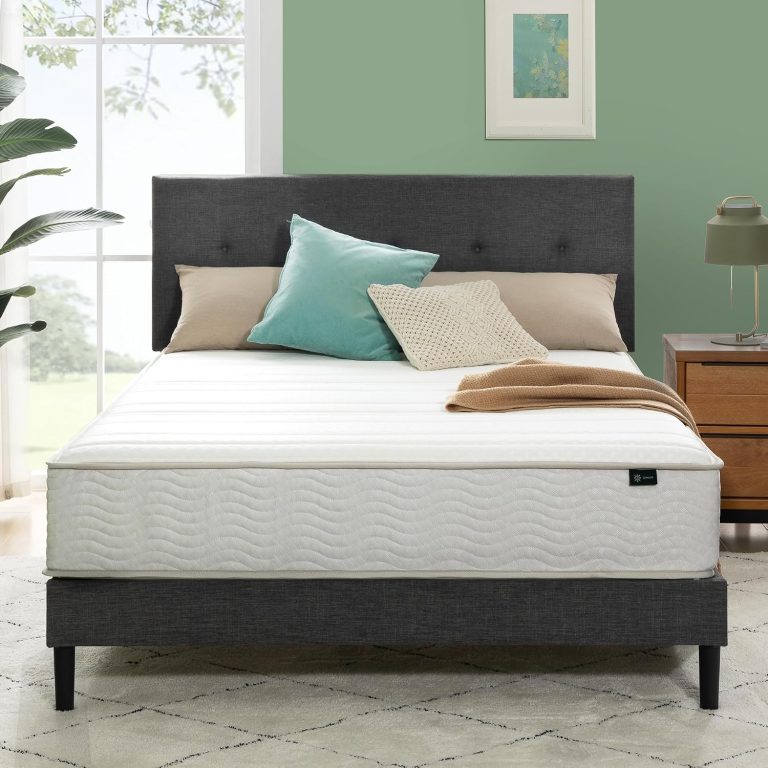
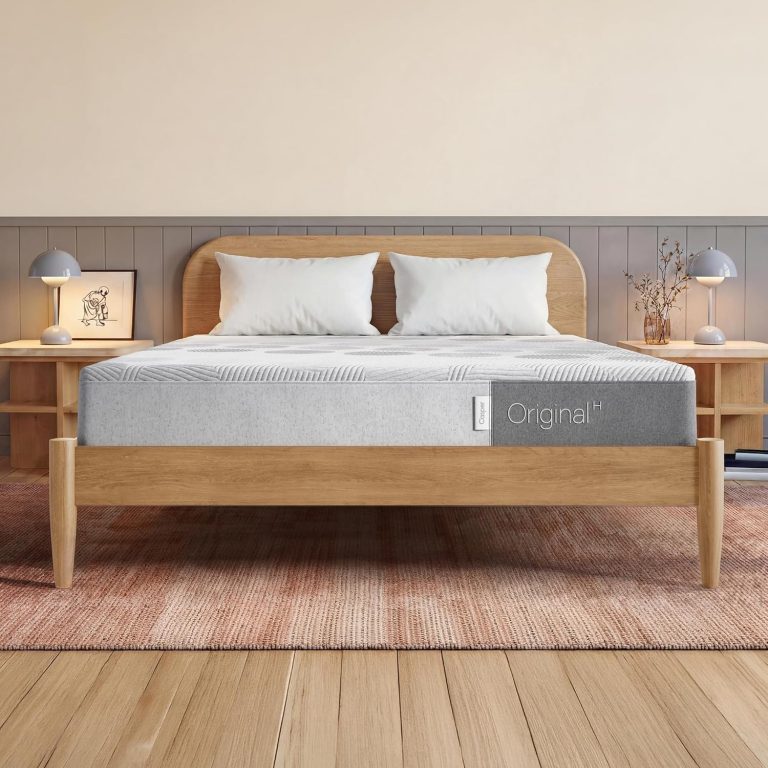
7 Best Mattresses for Back Pain: November 2026
The best mattresses for back pain are the MLILY EGO 14″ Memory Foam, the Grbsy 7-Zone Hybrid, and the BedStory Cocoon Hybrid — chosen for their targeted pressure relief, spinal alignment support, and firm edge-to-edge stability.
Getting this choice right matters because the wrong surface can amplify lower back strain or leave you waking with morning stiffness, while a properly supportive bed helps maintain a neutral spine through the night. For most sleepers, that means balancing contouring comfort with enough responsive support to avoid sagging hips and shoulders.
We’ve narrowed the field to 7 top picks after hands-on comparison of mattress firmness, motion isolation, and durability across all sleep positions. Each option was tested for how well it supports the lumbar curve and reduces pressure points during side, back, and stomach sleeping. Scroll past the intro for a side-by-side comparison table that breaks down the key differences, so you can match the right bed to your specific pain profile.
3 Standout Picks: Back Pain, Zoned Support, and Firm Support
Start with these 3 standouts. Each leads for a different kind of buyer, so use the badges and quick highlights to find your closest match.
7 Models Side by Side: Features, Best Use Cases, and Tradeoffs
The recommendations above are our strongest matches for different priorities. Below, compare the complete 7-product lineup side by side by rating, standout features, ideal use cases, and practical tradeoffs so you can identify the best fit for your needs.

- ICA endorsed
- Copper gel memory foam
- Cooling cover

- 7-zone support
- Cooling gel foam
- 1000+ coils

- Firm hybrid construction
- Pocketed coils
- 365-night trial
- Memory foam comfort
- Firm feel
- 1-year trial

- Pocket springs
- Motion isolation
- Fiberglass-free

- Gel memory foam
- Pocket springs
- Lifetime warranty

- Pocket springs
- Fiberglass-free
- CertiPUR-US
7 Models Reviewed in Depth
#1. MLILY EGO 14″ Memory Foam
You’ll find the MLILY EGO delivers a balanced medium-firm feel that cradles your curves without excessive sink. The copper gel memory foam actively wicks moisture and odors, while the graphite-infused cover pulls heat away for a cooler night’s sleep. With ICA endorsement for spinal alignment, it’s a strong choice for back pain sufferers.
One caveat: the 14-inch profile is hefty, and the foam may feel firmer initially until it breaks in. It’s ideal for back and stomach sleepers who need support, but side sleepers might want a softer option. If you prioritize cooling and pressure relief, this mattress is worth considering. For a deeper look at options tailored to side sleepers with back pain, our dedicated guide covers the best picks.
Pros
- ICA endorsed for back pain
- Cooling graphite cover
- Copper gel foam layer
Cons
- Heavy to move
- Initial firmness may be high
- Limited edge support
Specifications
#2. Grbsy 7-Zone Hybrid
The Grbsy 7-Zone Hybrid stands out with its zoned support system that targets different body areas for optimal spinal alignment. The cooling gel memory foam and breathable lyocell cover keep you comfortable throughout the night. With over 1000 pocket coils, it offers excellent motion isolation and edge support.
However, the mattress is quite firm, which might not suit side sleepers who need more cushioning. It’s best for back and combination sleepers who want targeted support. The 365-night trial gives you ample time to test it, but be prepared for a break-in period.
Pros
- Zoned support for spine
- Excellent cooling
- Strong edge support
Cons
- Firm for side sleepers
- Heavy to move
- Break-in period needed
Specifications
#3. BedStory Cocoon Hybrid
The BedStory Cocoon offers a firm, supportive surface that’s ideal for back pain relief. Its pocketed coil system minimizes motion transfer, so you won’t be disturbed by a partner’s movements. The high-density foam and reinforced edges prevent sagging, ensuring long-lasting durability.
However, the firmness might be too intense for side sleepers who need more cushioning at the shoulders and hips. It’s best for back and stomach sleepers who prefer a solid, no-sink feel. With a 365-night trial, you have plenty of time to decide if it’s right for you.
Pros
- Excellent motion isolation
- Reinforced edge support
- Long trial period
Cons
- Too firm for side sleepers
- Heavy to maneuver
- Limited cooling features
Specifications
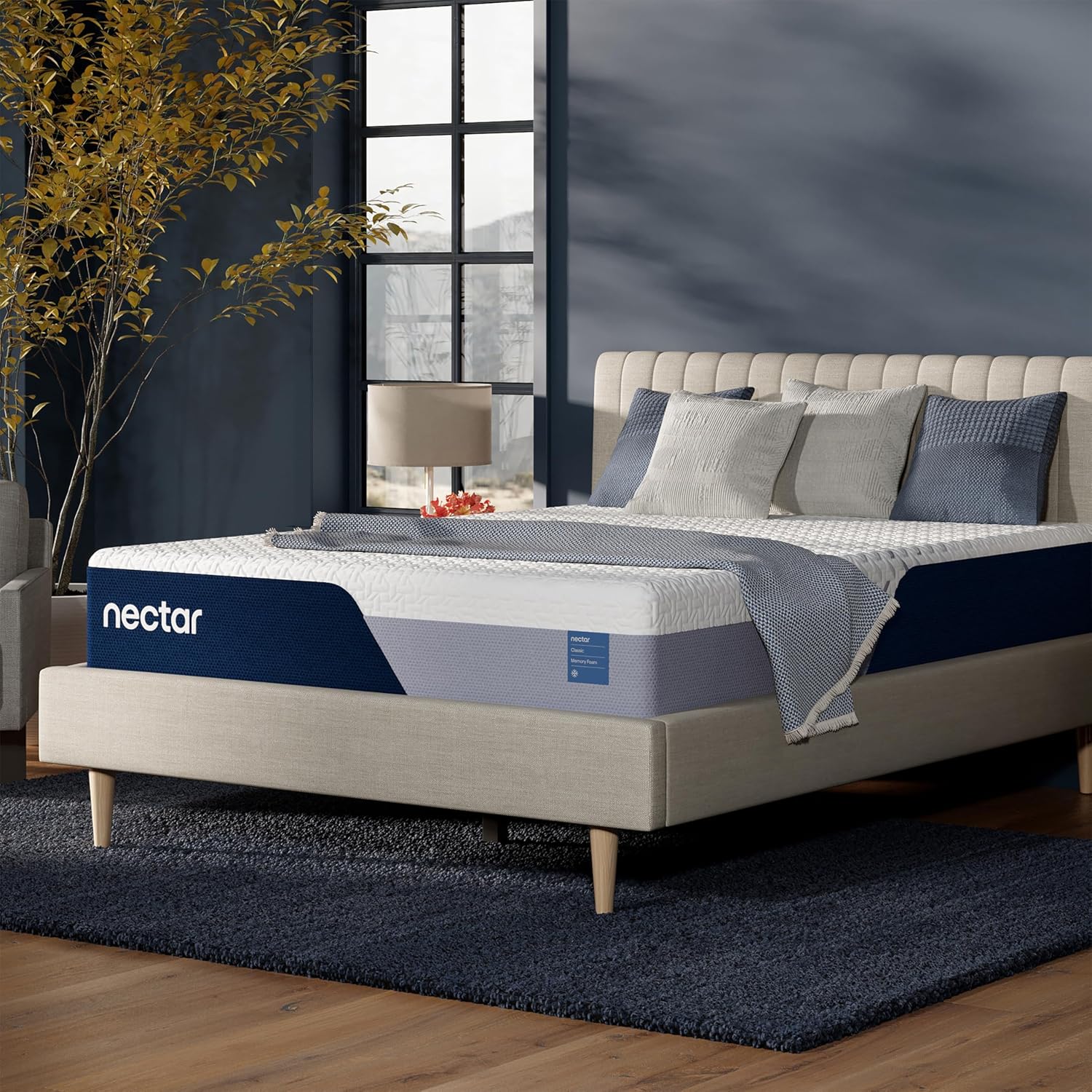
#4. Nectar Classic Memory Foam
The Nectar Classic is a well-known memory foam mattress that offers a firm yet contouring feel. Its cooling cover and adaptive support foam help maintain a comfortable temperature and proper spinal alignment. With a 365-night trial and forever warranty, it’s a risk-free choice for many sleepers.
However, memory foam can retain heat for some, and the firmness might not suit side sleepers who need more pressure relief. It’s best for back and stomach sleepers who want a supportive, all-foam option. If you’re a hot sleeper, you might consider a hybrid instead.
Pros
- Long trial period
- Forever warranty
- Good pressure relief
Cons
- May sleep warm
- Firm for side sleepers
- Heavy to move
Specifications
#5. VISCOFLEX Hybrid Queen
The VISCOFLEX Hybrid excels at motion isolation, thanks to its individual pocket springs that absorb 83% of movement. The medium-firm feel provides good lumbar support, and the fiberglass-free construction ensures safety. With a 365-night trial and 10-year warranty, it’s a solid choice for couples.
One downside: the mattress is quite heavy, making setup a two-person job. It’s ideal for those who share a bed and want minimal disturbance. If you prefer a softer feel, you might find it too firm, but for back pain relief, it’s a strong contender.
Pros
- Excellent motion isolation
- Fiberglass-free
- Good lumbar support
Cons
- Heavy to handle
- Firm for some
- Limited edge support
Specifications
#6. PUBPLON Hybrid Queen
The PUBPLON Hybrid offers a medium-firm feel that balances support and comfort well. The gel memory foam helps dissipate heat, while the pocket springs provide responsive support and reduce motion transfer. With a lifetime warranty, it’s a reassuring investment for budget-conscious buyers.
One note: the mattress may feel firmer initially, and some users report a break-in period of a few days. It’s a great pick for back sleepers and couples who want a supportive yet affordable hybrid. If you prefer a plush feel, you might need a topper.
Pros
- Lifetime warranty
- Good motion isolation
- Cooling gel foam
Cons
- Initial firmness
- Edge support could be better
- Limited size options
Specifications
#7. Vurawq Hybrid Full
The Vurawq Hybrid is a budget-friendly option that still offers pocket spring support and a plush feel. It’s fiberglass-free and CertiPUR-US certified, so you can sleep safely. The mattress-in-a-box design makes setup easy, and it’s suitable for guest rooms or daily use.
However, the edge support is weaker, and it may not provide the same durability as higher-end models. It’s best for those on a tight budget who need a basic mattress for occasional use. If you have chronic back pain, you might want to invest in a more supportive option.
Pros
- Affordable price
- Fiberglass-free
- Easy setup
Cons
- Weak edge support
- Less durable
- Plush may lack support
Specifications
How to Choose a Mattress That Actually Helps Your Back
Your back pain is personal — the mattress you sleep on either works with your spine or against it. This isn’t a purchase to rush through on a weekend sale. The right mattress can mean waking up without that morning stiffness; the wrong one can turn a minor ache into a chronic problem. Since you’ll spend roughly a third of your life on it, a little homework now pays off every single night.
The Support Signals That Matter Most
Firmness level — This isn’t about “hard” or “soft” in the abstract. It’s about how your spine aligns when you lie on your side, back, or stomach. A medium-firm feel tends to work well for many back pain sufferers, but your body weight and preferred sleep position shift what that means for you. A 150-pound side sleeper needs something different than a 230-pound back sleeper.
Spinal alignment — The goal is a neutral spine: your ear, shoulder, hip, and ankle should form a straight line. A mattress that’s too soft lets your hips sink, curving your lower back. Too firm, and your midsection gets pushed up, creating the same problem from the other direction.
Pressure relief — Your hips and shoulders need to sink just enough to keep joints comfortable, while your lower back gets steady support. Look for materials that contour without swallowing you — this is where foam, latex, and hybrid designs each take a different approach.
Motion isolation — If you share a bed, a partner’s tossing and turning can interrupt the deep sleep your back needs to recover. Good motion isolation keeps disturbances minimal, especially in foam and pocketed-coil hybrids.
Edge support — Sitting on the edge to get dressed or getting in and out of bed shouldn’t feel like you’re rolling off a cliff. Reinforced edges make the whole surface usable and can ease the strain of daily transitions.
Sticking to your budget — Back pain relief doesn’t require a luxury price tag. Focus on the construction quality and trial period rather than brand prestige. A well-built mid-range mattress with a solid warranty often outperforms a premium name with flashy marketing.
Pitfalls That Burn First-Time Buyers
- Ignoring the trial period — Your back won’t tell you the truth in a five-minute store lie-down. It takes weeks for your body to adjust. If a company offers less than 90 nights, or charges hefty return fees, walk away.
- Chasing “orthopedic” labels — Just because a mattress claims to be “back-supporting” doesn’t mean it’s right for your back. Marketing buzzwords aren’t a substitute for understanding your own sleep position and comfort needs.
- Forgetting your sleep position — A mattress that’s perfect for a stomach sleeper can be agony for a side sleeper. Know your dominant position before you start comparing models, and let that guide every decision you make.
Your Back Pain Deserves a Decision, Not a Debate
The EGOHOME remains the top pick for strict back-pain relief on a budget, while the 7-Zone hybrid is the best all-around choice if you want cooling plus coil support. BedStory wins for firmness purists needing extra lumbar rigidity, and Nectar suits those who want a plush-yet-firm feel with a year to decide. The remaining hybrids—the pocket-spring queen, the lumbar-focused 12-inch, and the full-size option—are solid backups for specific room sizes or sleep positions.
Every mattress above fits a mid-range budget, so price won’t force a compromise on your spine. Stop reading reviews and start sleeping better—hit the buttons above to lock in today’s best price before it changes.
Final 3 Picks: Back Pain, Zoned Support, and Firm Support
Ready to decide? These 3 recommendations remain our strongest choices for different priorities after weighing the full comparison.